

A few years into recovery, I genuinely believed panic attacks were behind me.
Not because life had become perfect.
Because I had finally built something stable.
I had routines. Healthy relationships. Better sleep. A clearer mind. I wasn’t constantly fighting to get through the day anymore. The chaos that once defined my life had been replaced with something that felt almost unfamiliar at first: peace.
Then one afternoon, while standing in a grocery store checkout line, my heart started pounding.
My chest tightened.
My vision narrowed.
A rush of fear came out of nowhere.
Within seconds, I was convinced something terrible was happening.
The physical symptoms felt exactly like they had years earlier.
But this time, there was an added layer of panic:
“Why is this happening after everything I’ve done?”
If you’ve been in recovery for a while and anxiety has suddenly returned, you may understand that feeling.
The panic attack itself is difficult.
The fear that your progress is somehow disappearing can feel even worse.
What I eventually learned changed everything.
The return of anxiety did not mean I was failing.
It meant I needed a different kind of support than the one I needed years earlier.
As I searched for answers, I found myself learning more about anxiety disorder services and discovering that long-term recovery often includes new chapters of healing many people never talk about.
The Part Nobody Warned Me About
When people talk about recovery, they often focus on milestones.
Thirty days.
Ninety days.
One year.
Five years.
Those milestones matter.
But what often gets overlooked is what happens after life becomes stable.
For many long-term alumni, the major crisis ends.
The emergency phase passes.
The daily struggle becomes less intense.
Then something unexpected happens.
You have enough mental and emotional space to notice things that were always there beneath the surface.
Old fears.
Unresolved stress.
Anxiety patterns.
Past experiences that never received full attention.
For years, substances had distracted me from uncomfortable emotions. When those distractions disappeared, some of those emotions eventually demanded attention.
That doesn’t mean recovery caused anxiety.
It means recovery sometimes creates the opportunity to address deeper issues that were previously hidden.
Why Panic Felt Different This Time
Years earlier, panic attacks felt completely random.
Everything seemed confusing.
Every symptom felt catastrophic.
This time was different.
I understood what a panic attack was.
I knew it would eventually end.
Yet it still scared me.
Why?
Because I attached meaning to it.
Instead of viewing the experience as a symptom, I viewed it as evidence.
Evidence that I wasn’t doing as well as I thought.
Evidence that something was wrong.
Evidence that my recovery was slipping.
That interpretation created a second layer of suffering.
The panic attack lasted minutes.
The self-judgment lasted days.
Many alumni experience the same pattern.
The physical symptoms are challenging, but the story we tell ourselves afterward often causes the greatest damage.
The Breathing Technique That Helped During the Worst Moments
I’ll admit something.
For years, I dismissed breathing exercises.
They sounded too simple.
Too obvious.
Too small to make a real difference.
Then a therapist explained something that changed my perspective.
Panic attacks activate the body’s threat response system.
Your heart rate increases.
Your breathing becomes shallow.
Your nervous system prepares for danger.
Unfortunately, your body cannot always distinguish between an actual threat and perceived danger.
The breathing exercise wasn’t designed to magically eliminate panic.
It was designed to communicate safety back to my nervous system.
The technique I used most often looked like this:
- Inhale through the nose for four seconds
- Hold for four seconds
- Exhale slowly for six seconds
- Repeat for several minutes
The extended exhale became particularly important.
Slow exhalation sends calming signals throughout the body.
The goal wasn’t to force relaxation.
The goal was to interrupt the escalation.
Sometimes the panic disappeared quickly.
Sometimes it only became slightly more manageable.
Either outcome was still progress.
Why Breathing Was Helpful—but Not Enough
One of the biggest mistakes I made was expecting a coping skill to solve a larger problem.
Breathing helped.
Walking helped.
Hydration helped.
Sleep helped.
Exercise helped.
But none of those things fully explained why anxiety had become more frequent.
Eventually, I realized I was treating symptoms while ignoring the source.
My workload had increased dramatically.
I had stopped prioritizing recovery routines.
Stress was building quietly.
Several personal challenges had piled up at the same time.
The panic attacks weren’t appearing out of nowhere.
My nervous system had been sending smaller warning signs for months.
I simply hadn’t been listening.
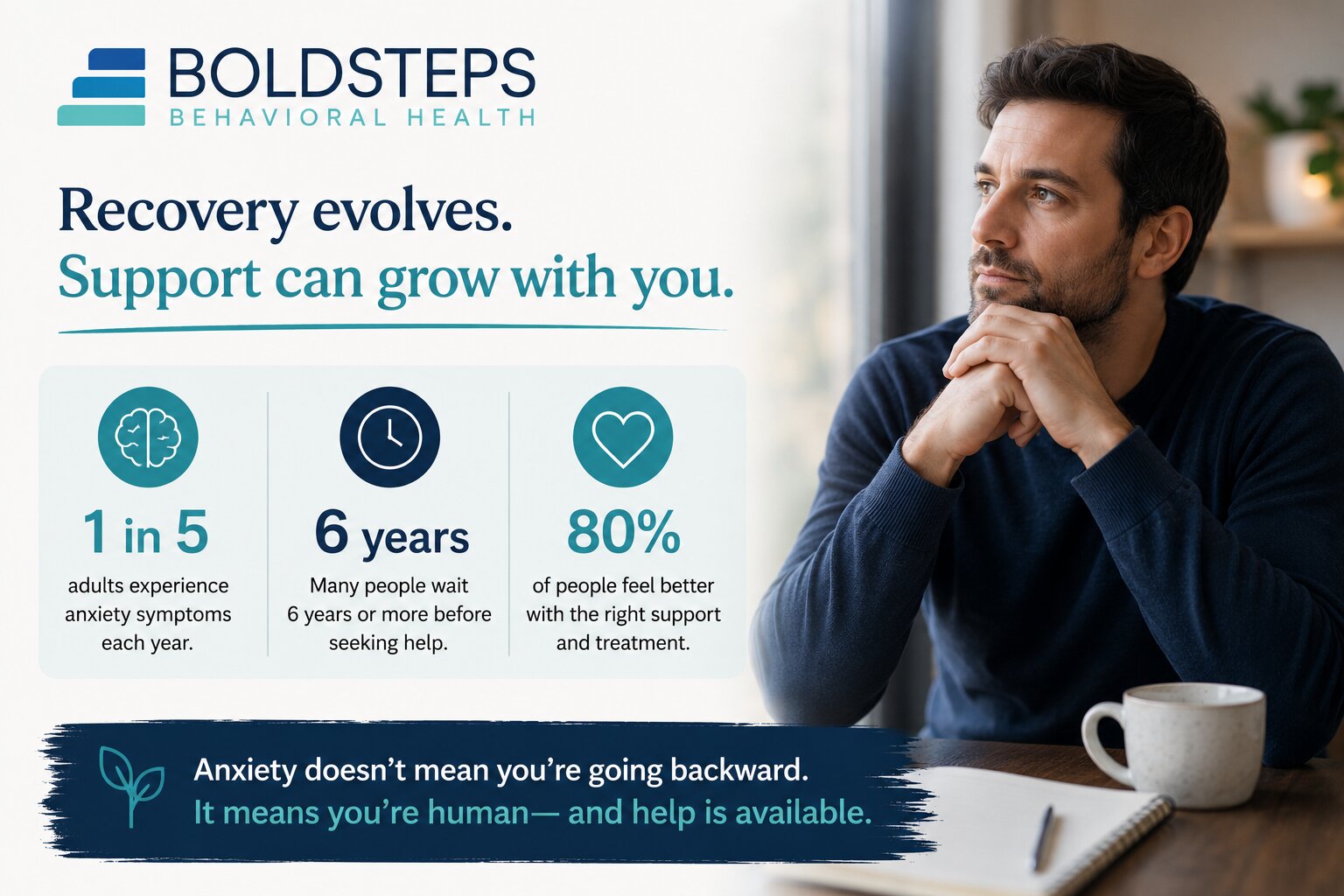
Many people wait until anxiety becomes unbearable before taking it seriously.
The truth is that panic attacks are often the final chapter of a much longer story.
The Medication Conversation I Avoided for Too Long
I resisted talking about medication because I was afraid of what it might mean.
I worried people would assume I wasn’t trying hard enough.
I worried it would somehow invalidate years of work.
I worried it meant I had failed.
Looking back, those fears were based more on stigma than reality.
When I finally spoke with a professional, the conversation was surprisingly practical.
There was no pressure.
No judgment.
No one insisted medication was the answer.
Instead, questions were asked.
How often were symptoms occurring?
How severe were they?
How were they affecting daily life?
What had worked previously?
What hadn’t?
That conversation helped me understand something important.
Medication is not a shortcut.
It is not a weakness.
It is simply one tool among many.
For some people, medication provides meaningful relief.
For others, therapy and behavioral strategies provide sufficient support.
The right approach depends on the individual, not on someone else’s opinion.
The Real Turning Point
The biggest change wasn’t breathing.
And it wasn’t medication.
The biggest change happened when I stopped trying to manage everything alone.
For years, I believed being successful in recovery meant handling my struggles independently.
I thought asking for help again meant I had somehow regressed.
Nothing could have been further from the truth.
The moment I became honest about what I was experiencing, things started improving.
I spoke with trusted people.
I reconnected with professional support.
I stopped pretending I was fine.
That honesty reduced the fear surrounding the panic itself.
The attacks became less frightening because I no longer viewed them as a secret failure.
I viewed them as information.
Information that something in my life deserved attention.
The Trap Many Long-Term Alumni Fall Into
Long-term recovery often creates confidence.
That’s a wonderful thing.
But sometimes confidence quietly turns into isolation.
We become skilled at functioning.
We continue working.
We meet responsibilities.
We support others.
We become the dependable person.
Meanwhile, our own struggles stay hidden.
Many people spend months suffering because they believe they should already know how to fix everything themselves.
Recovery does not require perfection.
It requires honesty.
There is no award for struggling silently.
And there is no shame in reaching for support when life becomes difficult again.
What Helped Me Regain Confidence
One of the most surprising lessons I learned was that confidence doesn’t come from never experiencing panic.
Confidence comes from knowing you can handle it when it happens.
That shift changed everything.
I stopped fearing every symptom.
I stopped scanning my body constantly.
I stopped treating every anxious feeling as an emergency.
Instead, I developed trust.
Trust in the tools I had learned.
Trust in the support available to me.
Trust that a difficult day did not erase years of progress.
For individuals looking for support and ongoing care in Pennsylvania, resources exist that understand both long-term recovery and mental health challenges. Exploring available care in Pennsylvania can help individuals reconnect with support before anxiety becomes overwhelming.
Recovery Doesn’t Mean Anxiety Never Returns
This may be the most important thing I can share.
Healing is not measured by the absence of symptoms.
Healing is measured by your response to them.
You can experience anxiety and still be healing.
You can have a panic attack and still be making progress.
You can need support and still be strong.
The goal isn’t becoming someone who never struggles.
The goal is becoming someone who knows what to do when struggles appear.
If anxiety has started affecting your relationships, work, sleep, confidence, or quality of life, exploring professional guidance and learning more about available panic attack treatment options may help you find a path forward that fits your needs.
The return of anxiety does not erase your growth.
It simply reminds you that growth is still happening.
Frequently Asked Questions
Can panic attacks come back after years of recovery?
Yes. Many people experience periods where anxiety or panic symptoms return after years of stability. This does not mean recovery has failed. Stress, life changes, unresolved emotional challenges, or changes in routines can all contribute to increased anxiety.
Are breathing exercises enough to stop a panic attack?
Breathing exercises can help reduce the intensity of panic symptoms by calming the nervous system. However, they may not address the underlying causes contributing to anxiety. Many people benefit from combining coping skills with professional support.
Does having a panic attack mean I’m getting worse?
Not necessarily. A panic attack is a symptom, not a measure of your overall progress. Many people continue moving forward in recovery while occasionally experiencing anxiety or panic symptoms.
Should I consider medication if panic attacks return?
Medication may be helpful for some individuals, but it is not the only option. A conversation with a qualified professional can help determine whether therapy, lifestyle adjustments, medication, or a combination approach may be appropriate.
When should I seek professional support?
If anxiety is interfering with your daily life, relationships, work performance, sleep, or overall well-being, it may be beneficial to seek support. Early intervention often helps prevent symptoms from becoming more severe.
Why do panic attacks feel so physical?
Panic activates the body’s fight-or-flight response. Symptoms such as rapid heartbeat, dizziness, sweating, shortness of breath, and chest tightness occur because the body is preparing to respond to a perceived threat, even when no actual danger exists.
Call 717-896-1880 or visit our anxiety disorder services to learn more about our mental health, anxiety disorder services Harrisburg, PA.