

The second time someone suggested addiction treatment, I didn’t get angry.
I got tired.
Not physically tired.
The kind of tired that settles deep into your bones after you’ve spent years fighting the same battle.
I had already tried.
I had already sat in groups.
I had already listened to counselors.
I had already promised myself and everyone around me that things would be different.
Then I relapsed.
And when I relapsed, I came to a conclusion that felt completely reasonable at the time:
“Treatment doesn’t work for me.”
If you’ve ever had that thought, you’re not alone.
In fact, many people searching for help today aren’t trying to decide whether they have a problem.
They’re trying to decide whether it’s worth trying again.
That’s a very different question.
And it’s one I wrestled with for a long time.
Looking back, I can see that I wasn’t just skeptical about treatment.
I was scared of being disappointed again.
That fear kept me stuck far longer than heroin ever did.
As I eventually began exploring heroin addiction treatment services again, I discovered something that changed my perspective completely:
A previous treatment experience can teach you something without defining your future.
Relapse Became My Entire Identity
The hardest part wasn’t using again.
The hardest part was what I believed about myself afterward.
Before relapse, I thought I was someone trying to recover.
After relapse, I thought I was someone who couldn’t.
That distinction mattered.
Every setback became evidence.
Every mistake became proof.
Every difficult day reinforced the story I was telling myself.
I stopped viewing relapse as something that happened.
I started viewing it as who I was.
Once that happens, hope becomes difficult.
Because if failure is your identity, trying again feels pointless.
Many people never talk about this part.
The emotional damage from relapse often lasts longer than the relapse itself.
The Shame Was Louder Than Logic
People gave me good advice.
Family members encouraged me.
Friends wanted to help.
Professionals offered support.
The problem wasn’t that I lacked information.
The problem was that shame had become louder than logic.
Shame doesn’t speak in facts.
It speaks in absolutes.
“You’ll never change.”
“Everyone is tired of you.”
“You’ve already proven who you are.”
“Why put yourself through this again?”
The scary thing about shame is how convincing it sounds.
After a while, those thoughts stop feeling like opinions.
They start feeling like truth.
And when shame becomes your narrator, every possible solution starts looking pointless.
I Thought Everyone Else Was Doing Recovery Better
One reason I resisted treatment was because I constantly compared myself to other people.
Someone else had six months sober.
Someone else had a year.
Someone else had repaired relationships.
Someone else seemed happy.
Meanwhile, I felt like I was constantly starting over.
What I didn’t realize at the time was that I was comparing my private struggles to other people’s public victories.
Recovery stories often sound clean when they’re told afterward.
But when you’re living them, they’re usually messy.
There are setbacks.
Detours.
Mistakes.
Moments of doubt.
Moments of fear.
Many of the people I eventually admired most had relapsed at some point.
I simply didn’t know it because they weren’t advertising their hardest moments.
The Question That Made Me Stop Arguing
One conversation changed everything.
Someone asked me a question that I couldn’t immediately dismiss.
They said:
“If treatment didn’t work, why are you still thinking about it?”
I didn’t have an answer.
Because they were right.
People who truly don’t care rarely spend months arguing with themselves about getting help.
The fact that I kept researching.
The fact that I kept thinking about recovery.
The fact that I kept imagining a different life.
Those things mattered.
Beneath all the skepticism, there was still a small part of me that wanted things to change.
I had spent so much energy trying to kill hope that I never noticed it was still alive.
I Was Looking For Certainty Instead Of Progress
One mistake I made repeatedly was demanding guarantees.
I wanted to know treatment would work before I committed to it.
I wanted proof.
I wanted certainty.
I wanted someone to tell me exactly how my future would unfold.
Of course, nobody could do that.
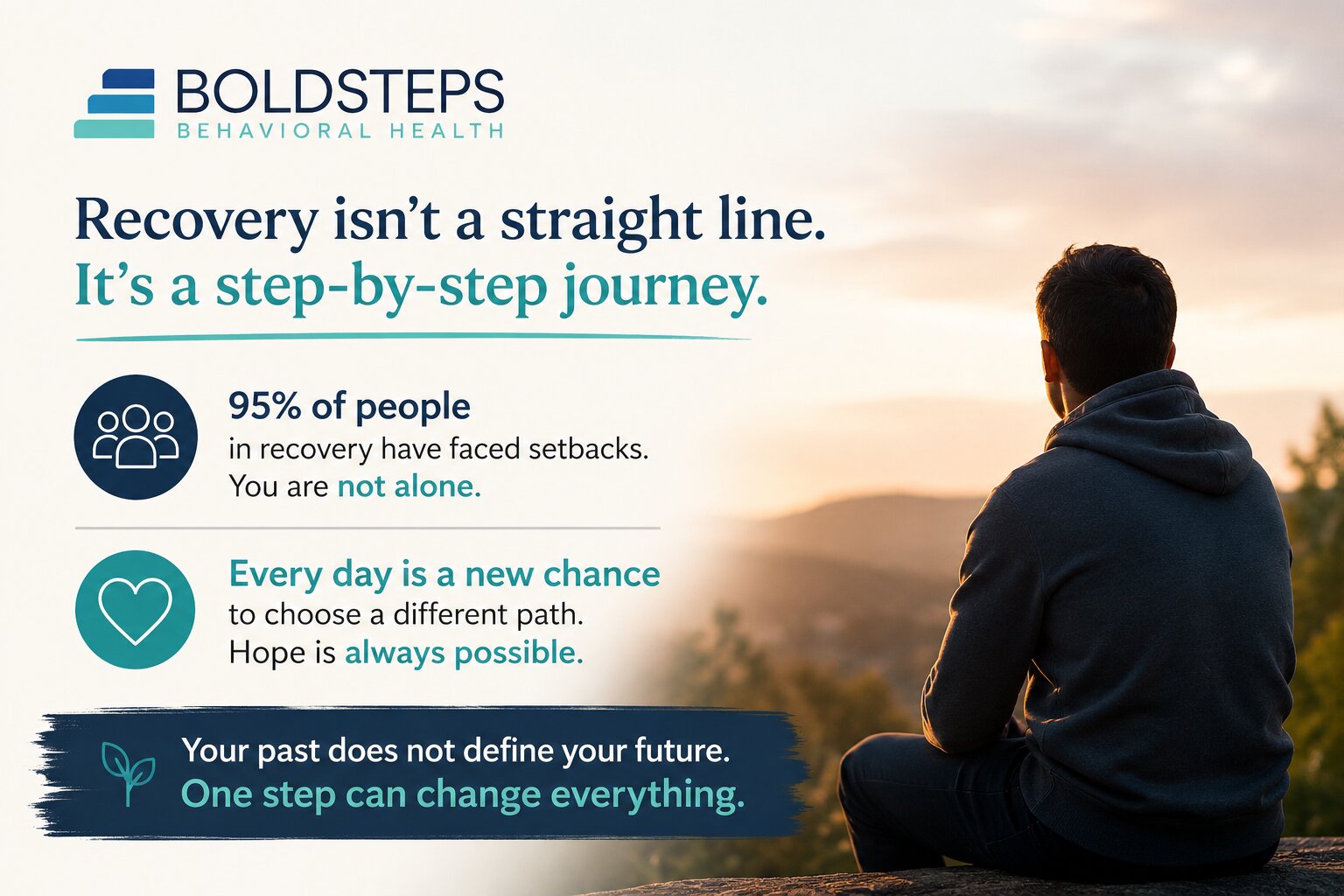
Recovery doesn’t come with guarantees.
Neither does life.
Eventually, I realized I had been using uncertainty as an excuse to stay where I was.
The truth was uncomfortable.
I wasn’t avoiding treatment because I knew it wouldn’t work.
I was avoiding treatment because I couldn’t guarantee success.
Those are very different things.
Growth often starts when we stop demanding certainty and start pursuing possibility.
What Changed The Second Time
People often ask what finally convinced me to go back.
The answer surprises them.
It wasn’t motivation.
It wasn’t inspiration.
It wasn’t some dramatic life-changing moment.
I simply became more tired of staying the same than I was afraid of trying again.
That’s it.
One day I realized that all my reasons for avoiding treatment weren’t improving my life.
They were protecting my excuses.
The pain of staying stuck finally became greater than the fear of change.
That shift was small.
But it changed everything.
The Second Experience Felt Different
When I returned, I expected to feel confident.
I didn’t.
I expected to feel hopeful.
I didn’t.
I expected certainty.
That didn’t happen either.
What I felt was cautious.
Guarded.
Skeptical.
And honestly, that’s okay.
Recovery doesn’t require blind optimism.
It requires willingness.
There’s a huge difference.
I didn’t need to believe everything would work perfectly.
I only needed enough willingness to take the next step.
Then the next one.
Then the next one after that.
Progress happened long before confidence arrived.
I Learned That Treatment Isn’t A Test
For years, I viewed treatment like a pass-or-fail exam.
If I relapsed, I failed.
If I struggled, I failed.
If I wasn’t immediately successful, I failed.
That mindset made recovery impossible.
Because recovery isn’t a test.
It’s a process.
Processes involve learning.
Learning involves mistakes.
Mistakes involve adjustment.
When I stopped treating every setback as a verdict on my worth, things began changing.
I became more honest.
More open.
More willing to ask for help.
Ironically, progress accelerated when I stopped demanding perfection.
The People Who Gave Me Hope
The people who changed my perspective weren’t the people with flawless recovery stories.
They were the people who had struggled.
The people who understood disappointment.
The people who knew what relapse felt like.
The people who had sat exactly where I was sitting.
They weren’t inspiring because they were perfect.
They were inspiring because they kept going.
Their stories reminded me that recovery isn’t about never falling.
It’s about refusing to stay down.
For people exploring support in Pennsylvania, understanding available support in Pennsylvania can be an important step toward reconnecting with hope and finding options that fit their situation.
Many individuals searching for heroin rehab Harrisburg PA resources aren’t looking for a sales pitch.
They’re looking for a reason to believe another attempt could be different.
I understand that feeling.
Because I was there too.
What I Wish Someone Had Told Me Earlier
If I could go back and speak to the version of myself who refused treatment, I wouldn’t try to convince him.
I would simply tell him this:
Your last experience is not your entire future.
A relapse is not a life sentence.
Disappointment is not destiny.
And skepticism doesn’t disqualify you from recovery.
You don’t have to feel ready.
You don’t have to feel confident.
You don’t even have to believe everything will work out.
You only need enough willingness to consider that your story may not be finished yet.
Sometimes recovery begins with hope.
Sometimes it begins with desperation.
Sometimes it begins with curiosity.
And sometimes it begins with a person quietly admitting:
“Maybe I was wrong about what’s possible.”
Frequently Asked Questions
Is it normal to not want to go back to treatment after a relapse?
Yes. Many people feel discouraged, embarrassed, angry, or hopeless after relapse. Those emotions can make returning to treatment feel extremely difficult.
Does relapse mean treatment failed?
Not necessarily. Relapse can occur for many reasons and does not automatically mean treatment was unsuccessful. Many people learn important recovery skills even if they experience setbacks later.
What if I don’t believe treatment will work?
You do not have to be fully convinced. Many people begin treatment feeling skeptical. A willingness to explore options can be enough to take the first step.
How many times do people typically go to treatment?
Every recovery journey is different. Some people attend treatment once, while others return more than once before achieving long-term stability.
Why do I feel ashamed after relapse?
Shame is a common reaction because many people interpret relapse as a personal failure. In reality, addiction recovery is often a process that includes challenges and setbacks.
What if my previous treatment experience was negative?
A difficult experience does not mean all treatment experiences will be the same. Different programs, approaches, and levels of care may provide different outcomes.
How do I know if it’s time to try again?
If substance use continues affecting your health, relationships, work, finances, or quality of life, it may be worth exploring support options even if you’re unsure.
Call 717-896-1880 or visit our heroin addiction treatment services to learn more about our addiction treatment, heroin addiction treatment center services Harrisburg, PA.