
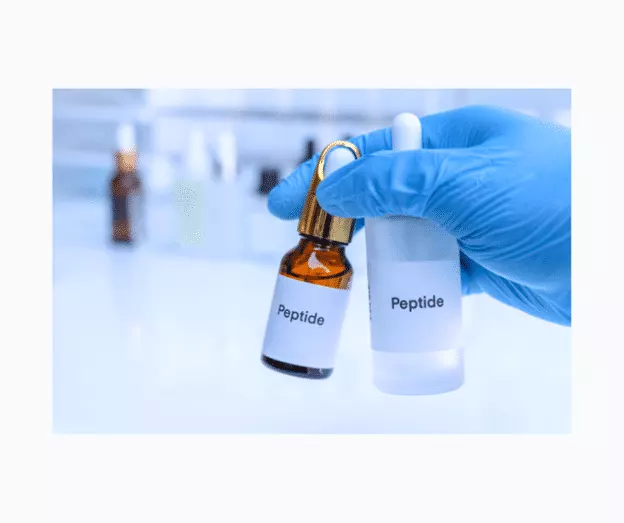
As you navigate the complexities of mental health treatment, you may encounter various therapeutic approaches and interventions. One emerging area of interest is the role of peptides in addiction and mental health disorders. At Bold Steps Behavioral Health, we understand the importance of staying informed about potential treatment options. This guide will explore the relationship between peptides, addiction, and your mental well-being, providing you with valuable insights to discuss with your healthcare provider. Whether you’re struggling with anxiety, depression, PTSD, or other conditions, understanding the latest developments in mental health treatment can empower you to make informed decisions about your care. Take the first step toward recovery and contact us at (717) 896-1880 today.
Understanding Peptides and Addiction Potential
Peptide Overview
Peptides are short chains of amino acids that play vital roles in the body’s biological processes. From hormone production to immune responses and cell signaling, these molecular messengers regulate various crucial functions. Studies show peptides modulate aspects of the addiction cycle, influencing reward pathways and substance intake.
Peptides and Addiction
While peptides themselves are not inherently addictive, their effects on the brain’s reward system can contribute to substance use disorders. Researchers at NCBI found that appetite-regulatory peptides like GLP-1, amylin, and ghrelin impact addictive behaviors:
- GLP-1 receptor agonists reduce acute drug rewards, chronic substance intake, and relapse risk.
- Amylin receptor activation attenuates intoxication effects and decreases chronic alcohol/drug use and relapse.
- Ghrelin enhances drug rewards, promotes substance intake, and increases seeking behaviors.
Health Impacts of Peptide Misuse
Hormonal Imbalances
Prolonged and excessive use of peptides can interfere with the body’s natural hormone production and regulation, leading to metabolic disruptions. This can result in a range of adverse effects, including mood swings, anxiety, fatigue, reduced sexual function, and potential pituitary damage.
Organ Damage
Peptide misuse may also increase the risk of organ damage, particularly to the liver and heart. Some peptides, when misused, can strain these vital organs, leading to potential complications like liver dysfunction or cardiovascular issues.
Injection Risks
Many peptides are administered through injections, which can pose risks if not done properly. Improper injection techniques or the use of non-sterile equipment can lead to infections, allergic reactions, or injection-related complications such as abscesses or nerve damage.
Psychological Dependence
While peptides themselves are not inherently addictive, their misuse can lead to psychological dependence or a perceived need for continued use. This can contribute to psychological distress, strained relationships, and other negative consequences associated with addiction-like behaviors.
To minimize these risks, it is crucial to use peptides responsibly and under the guidance of a healthcare professional. Seeking support and treatment is recommended for individuals struggling with peptide misuse or dependency.
Responsible Use of Peptides
The potential benefits of peptides for health and wellness are promising. However, their use requires caution and guidance from healthcare professionals to mitigate risks and ensure responsible application. While peptides are generally considered safer than steroids, they can still have potential side effects like injection site reactions, allergic reactions, and changes in hormone levels.
Peptides: Short chains of 2-50 amino acids, smaller than proteins.
Functions:
- Act as hormones and neurotransmitters (regulate metabolism, growth).
- Possess antimicrobial properties (fight bacteria, viruses).
- Aid in tissue repair and regeneration.
- Promote collagen production (used in anti-aging skincare)
Address Potential Misuse
While peptides themselves are not inherently addictive, their effects on the body and mind can potentially contribute to addiction in some individuals. Seeking professional help is crucial for those struggling with peptide addiction, as it requires a multi-faceted approach involving medical treatment, psychological support, and counseling or therapy.

Responsible Practices
To ensure responsible use, consider the following practices:
- Consult with qualified healthcare professionals for guidance on appropriate use, dosage, and monitoring.
- Be aware of potential side effects and interactions with other medications or supplements.
- Follow recommended protocols and guidelines for administration and storage.
- Avoid self-medication or unsupervised use, which can be dangerous.
- Prioritize safety and well-being over any perceived performance or cosmetic benefits.
By approaching peptide use with caution, professional guidance, and a commitment to responsible practices, individuals can potentially harness their benefits while mitigating risks and promoting overall health and well-being.
Peptides in Medicine and Research
Neuropeptides and Brain Function
The prefrontal cortex (PFC), a key brain region implicated in neuropsychiatric disorders, expresses various neuropeptides like NPY, CRF, and somatostatin. Studies demonstrate stress can alter their expression, potentially contributing to conditions like PTSD, anxiety, and depression. Targeting these neuropeptides could lead to novel diagnostic markers and therapeutic interventions.
Research and Development
Beyond mental health, peptides offer diverse applications in medicine and research. Ongoing efforts explore their potential in skin health, muscle and bone development, cognitive enhancement, and more. Researchers are also investigating peptides’ mechanisms of action and developing targeted therapies, such as a peptide that could prevent or treat PTSD by disrupting a fear memory-encoding protein complex.
Seeking Treatment for Peptide Addiction
Recognizing the Need
Acknowledging peptide abuse is the first step towards seeking professional help. Signs may include changes in appearance, mood swings, obsession with body image, and risk-taking behavior. While peptides themselves are not chemically addictive, the psychological dependency can be challenging to overcome alone.
Finding Support
Reach out to healthcare providers, addiction specialists at Bold Steps for treatment referrals and information. A comprehensive approach combining medical detox, therapy, support groups, and medications (if needed) offers the best path to recovery.
Choosing the Right Level of Care
Different treatment programs offer varying levels of care based on the severity of the addiction:
- Detox: Medical detoxification may be necessary to safely manage withdrawal symptoms.
- Inpatient or Residential Treatment: Intensive care for individuals with severe addiction, providing 24/7 support and therapy.
- Partial Hospitalization Program (PHP): A structured program offering a high level of care during the day, allowing patients to return home in the evening.
Continued Care
Recovering from peptide abuse is an ongoing process. Responsible use under medical guidance is crucial to avoid potential risks like hormonal imbalances, organ damage, and weakened immunity. With determination and the right support system, lasting wellness is achievable. Bold Steps offer sober living and 12 step facilitation therapy to assist with ongoing care for sobriety.
FAQ: Are peptides addictive?
Peptides are short chains of amino acids that play crucial roles in various biological processes. While peptides themselves are not inherently addictive, their misuse or overuse can potentially lead to dependency or addiction-like behaviors. Here are some key points to consider:
Potential for Dependency
- Addiction involves compulsive drug-seeking behavior, while dependency refers to the body’s adaptation to a substance.
- Factors like the specific peptide, dosage, frequency of use, and individual susceptibility can influence the potential for developing a dependency on peptides.
Conclusion
In conclusion, understanding the complex relationship between peptides, addiction, and mental health is crucial for your recovery journey. As you navigate treatment options, remember that Bold Steps Behavioral Health offers a comprehensive approach to addressing these interconnected issues. Whether through therapy, counseling, or specialized programs like PHP and IOP, you have access to evidence-based treatments tailored to your unique needs. By combining peptide-focused interventions with proven therapeutic techniques such as CBT and DBT, you can take significant strides towards overcoming addiction and improving your mental well-being. Embrace the support available to you and take bold steps towards a healthier, more balanced life. Take the first step toward recovery and contact us at (717) 896-1880 today.