

I didn’t relapse because I stopped caring about recovery.
That’s the sentence I wish someone had said to me earlier.
By the time I found myself searching for another alcohol addiction treatment center, I already knew sobriety could feel good. I knew what waking up without panic felt like. I knew how quiet mornings could become when your brain isn’t constantly calculating how much alcohol is left in the house.
And honestly? That made the relapse hurt even more.
Because once you’ve touched peace, losing it feels personal.
The Relapse Started Long Before I Picked Up a Drink
People imagine relapse as one reckless night.
Mine started quietly.
It started when I stopped answering texts from sober friends. When I skipped meetings because work felt “too busy.” When I convinced myself I didn’t need structure anymore because I had ninety days clean and should’ve been able to handle life by then.
That’s the dangerous thing about early recovery sometimes. You begin looking more functional on the outside right around the time your inner guard starts slipping.
At first, I didn’t notice the shift.
I just felt tired. Emotionally thin. Everything irritated me. Small stressors started feeling huge again. I stopped talking honestly about how hard sobriety still felt because I thought I was supposed to be grateful all the time.
Instead of admitting I was struggling, I performed recovery.
And addiction loves performance. It thrives in silence.
Soon the thoughts started showing up:
- Maybe I wasn’t that bad.
- Maybe I overreacted by going to treatment.
- Maybe this time will be different.
- Maybe everyone drinks sometimes.
None of those thoughts sounded dangerous at first.
That’s how relapse works for a lot of people. It doesn’t usually arrive screaming. It arrives sounding reasonable.
The First Drink Felt Smaller Than the Shame That Followed
The night I drank again wasn’t dramatic.
No police lights. No fight. No cinematic collapse.
Just me sitting alone convincing myself I could control something that had already proven I couldn’t.
For about twenty minutes, I even felt relief.
Then came the shame.
It hit so hard the next morning it almost felt physical. My chest felt heavy. My stomach dropped every time I looked at my phone. I ignored messages from recovery friends because I didn’t know how to explain what happened.
I kept thinking:
“You had ninety days. You already knew better.”
That thought haunted me more than the alcohol itself.
And the worst part? Once the shame kicked in, drinking again became easier. Not harder.
Because suddenly my brain started saying:
- Well, you already ruined it.
- You’ve already failed anyway.
- Might as well keep going.
That spiral is brutal after relapse. People don’t talk enough about how quickly shame becomes fuel for continued drinking.
I Thought Going Back to Treatment Would Make Me Look Weak
This is probably the most honest part of the story.
I almost didn’t go back.
Not because I wanted to keep drinking forever. Deep down, I knew where things were heading. But returning to treatment after relapse felt humiliating in a way I wasn’t prepared for.
The first time I entered treatment, I felt desperate. The second time, I felt embarrassed.
I imagined everyone judging me:
- The staff
- Other clients
- My family
- Myself most of all
I thought coming back somehow meant the first round “didn’t work.”
Now I understand recovery differently.
Treatment wasn’t wasted because I relapsed. Those ninety days still mattered. I learned things during that time that probably saved my life later.
Recovery is not erased by relapse. It gets interrupted. That’s different.
Still, it took me weeks to admit I needed help again.
I Hid Behind “Practical Concerns” for a While
At first, I pretended my hesitation was financial.
I told myself I needed to figure out insurance first. I worried about missing work again. I stayed up late searching things connected to alcohol rehab cost Pennsylvania because focusing on logistics felt safer than confronting the emotional truth underneath.
The emotional truth was this:
I was terrified treatment would work for everyone except me.
That fear sits quietly inside a lot of relapsed alumni.
You start wondering if maybe you’re the exception. Maybe you’re too broken. Maybe your brain just doesn’t “do” recovery the way other people seem to.
But underneath all those thoughts was something simpler.
I was exhausted.
Not physically exhausted. Soul exhausted.
The kind where your thoughts feel loud all day long. The kind where pretending to be okay becomes more draining than telling the truth.
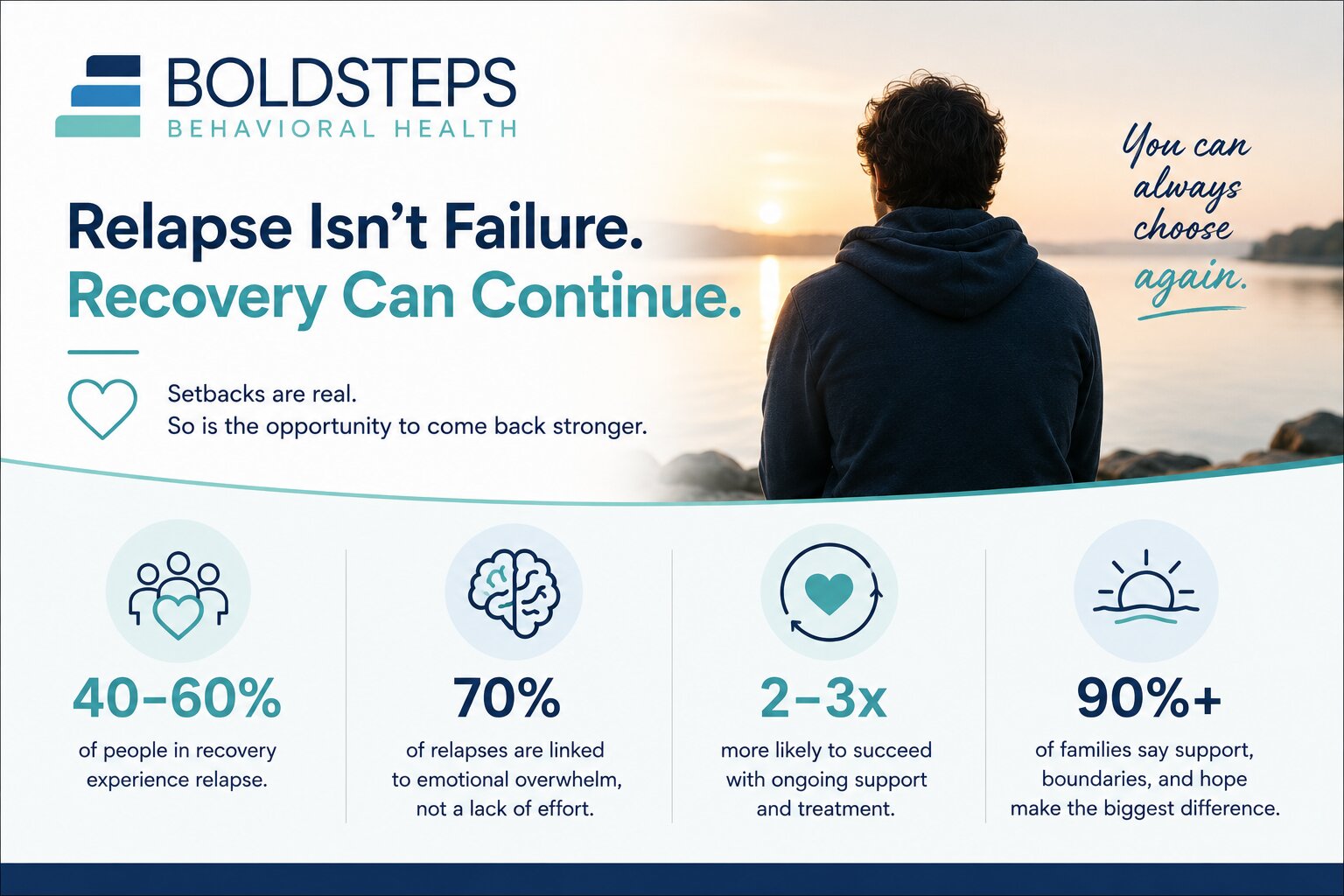
Walking Back Through the Door Felt Different the Second Time
I expected disappointment when I returned.
Instead, one staff member looked at me calmly and said:
“I’m really glad you came back before this got worse.”
That sentence nearly broke me.
Because addiction already humiliates people enough. Recovery doesn’t need more shame layered on top.
Coming back to treatment felt different the second time around too. I noticed details I missed before:
- The fear in people’s faces during intake
- The exhaustion underneath their anger
- The relief people felt after finally stopping
- How quickly honesty changes the atmosphere in a room
I also noticed something uncomfortable about myself.
The first time in treatment, I secretly treated recovery like a graduation program. I thought sobriety had an arrival point. Like eventually I’d become “fixed” and no longer need support.
The second time, I understood recovery more like maintenance.
You don’t graduate from taking care of yourself.
The Second Round of Recovery Felt More Honest
I stopped trying to sound inspirational after relapse.
Seriously.
The first time around, I wanted everyone to believe I was doing great. I said the right things. I tried to look motivated. I wanted to prove I could succeed.
The second time, I admitted things I used to hide:
- Some nights still felt lonely
- I still missed drinking sometimes
- Sobriety didn’t magically remove anxiety
- I was angry about certain parts of recovery
- I didn’t always feel hopeful
And weirdly? That honesty helped more than pretending ever did.
A lot of people relapse because they think difficult emotions mean recovery isn’t working. But recovery was never supposed to remove all discomfort from life.
It teaches you how to survive discomfort without destroying yourself over it.
That shift changed everything for me.
I Started Understanding Why Connection Matters So Much
Isolation fed my relapse.
That’s clear to me now.
The more disconnected I became, the easier it was to convince myself nobody understood me anyway. Once that happened, drinking felt less dangerous because I stopped imagining its impact on other people.
Connection interrupts addiction’s lies.
That’s part of why treatment environments matter. Not because they magically fix people, but because they remind you what honesty sounds like again.
I remember sitting in group one afternoon listening to another alumni talk about relapsing after six months sober. He said:
“I thought needing help again meant I failed. But hiding was what almost killed me.”
That line stayed with me.
Because relapse often grows in secrecy long before substances re-enter the picture.
And if mental health struggles are tangled into the relapse too, finding the right kind of support in Pennsylvania can make rebuilding feel less impossible.
I Had to Stop Treating Sobriety Like a Performance
One of the hardest truths I learned after relapse was this:
I had built parts of my sobriety around being admired for it.
I liked hearing people say I looked healthier. Stronger. Better.
So when I relapsed, it felt like losing an identity—not just losing clean time.
But recovery cannot survive if it’s only built around appearances.
Eventually, you have to learn how to stay sober on ordinary Tuesdays. During grief. During boredom. During loneliness. During stress nobody else sees.
The second time in treatment, I stopped obsessing over “proving” I was okay.
I focused more on becoming honest enough to stay okay.
That’s a very different thing.
Relapse Didn’t Mean I Was Back at the Beginning
This matters.
People talk about relapse like it wipes out all progress. But that’s not how human growth works.
The version of me who came back after relapse understood myself more deeply than the version who first entered treatment. I recognized warning signs faster. I understood how isolation affected me. I knew recovery required maintenance, not just motivation.
Painful experience still teaches.
That doesn’t make relapse harmless. It wasn’t harmless for me. It strained relationships. It scared people I love. It damaged my trust in myself for a while.
But relapse did not erase the possibility of recovery either.
And I wish more alumni understood that before disappearing completely.
FAQ: Returning to Treatment After Relapse
Is relapse common after addiction treatment?
Yes. Many people experience relapse during recovery, especially in early sobriety. Relapse does not mean treatment failed or that recovery is impossible. It often signals that additional support, structure, or emotional work is needed.
Should I go back to treatment after drinking again?
If alcohol use is escalating, affecting your mental health, or making you feel unsafe or overwhelmed, returning to treatment can help interrupt the cycle before things worsen. Many alumni return to care after relapse and continue building long-term recovery.
Why does relapse feel so emotionally intense?
Relapse often brings shame, fear, disappointment, and grief—especially after someone has experienced sober time. Many people feel like they “lost” the version of themselves they were becoming, which can make the emotional crash feel severe.
Does insurance cover returning to treatment?
Coverage depends on your insurance plan and level of care needed. Many people searching concerns related to alcohol rehab cost Pennsylvania are surprised to learn that insurance may cover more treatment support than expected.
What if I feel embarrassed about asking for help again?
That feeling is incredibly common. But reaching out after relapse is not weakness—it’s often the exact thing that prevents things from getting worse. Most treatment professionals understand relapse as part of many people’s recovery process.
Can recovery still work after multiple relapses?
Yes. Many people with strong long-term sobriety histories relapsed before recovery stabilized. Healing is rarely linear. Continued support, honesty, and willingness to reconnect often matter more than having a “perfect” recovery story.
If You Relapsed, You Are Still Allowed to Come Back
I wish someone had looked me in the eyes after my relapse and said this clearly:
You are not disqualified from recovery because you drank again.
You are not hopeless because you’re struggling.
You are not weak for needing support again.
And you are not the only person who disappeared for a while before finding their way back.
Some of the strongest people I know in recovery are people who returned after relapse.
Not because relapse was harmless.
But because they came back anyway.
Call 717-896-1880 or visit our alcohol addiction treatment center services to learn more about our addiction treatment, alcohol addiction treatment center services in Harrisburg & Dauphin County, PA.