

Ninety days.
For a while, that number felt like a new identity.
Ninety days without alcohol. Ninety days of rebuilding trust. Ninety days of waking up without immediately calculating how much I drank the night before.
I started believing I was past the hardest part.
Then one night, I drank.
The next morning wasn’t dramatic. There were no flashing lights or life-changing consequences waiting outside my door.
There was just me.
And a crushing sense of disappointment.
The shame felt heavier than the alcohol itself.
I kept staring at the ceiling asking the same question over and over:
“How did I end up back here?”
If you’re reading this, you may be asking a similar question. Maybe you’ve relapsed after months of sobriety. Maybe you’re worried your drinking has become harder to control again. Maybe you’re searching for answers because someone you love has suggested getting help.
Whatever brought you here, I want you to know something important:
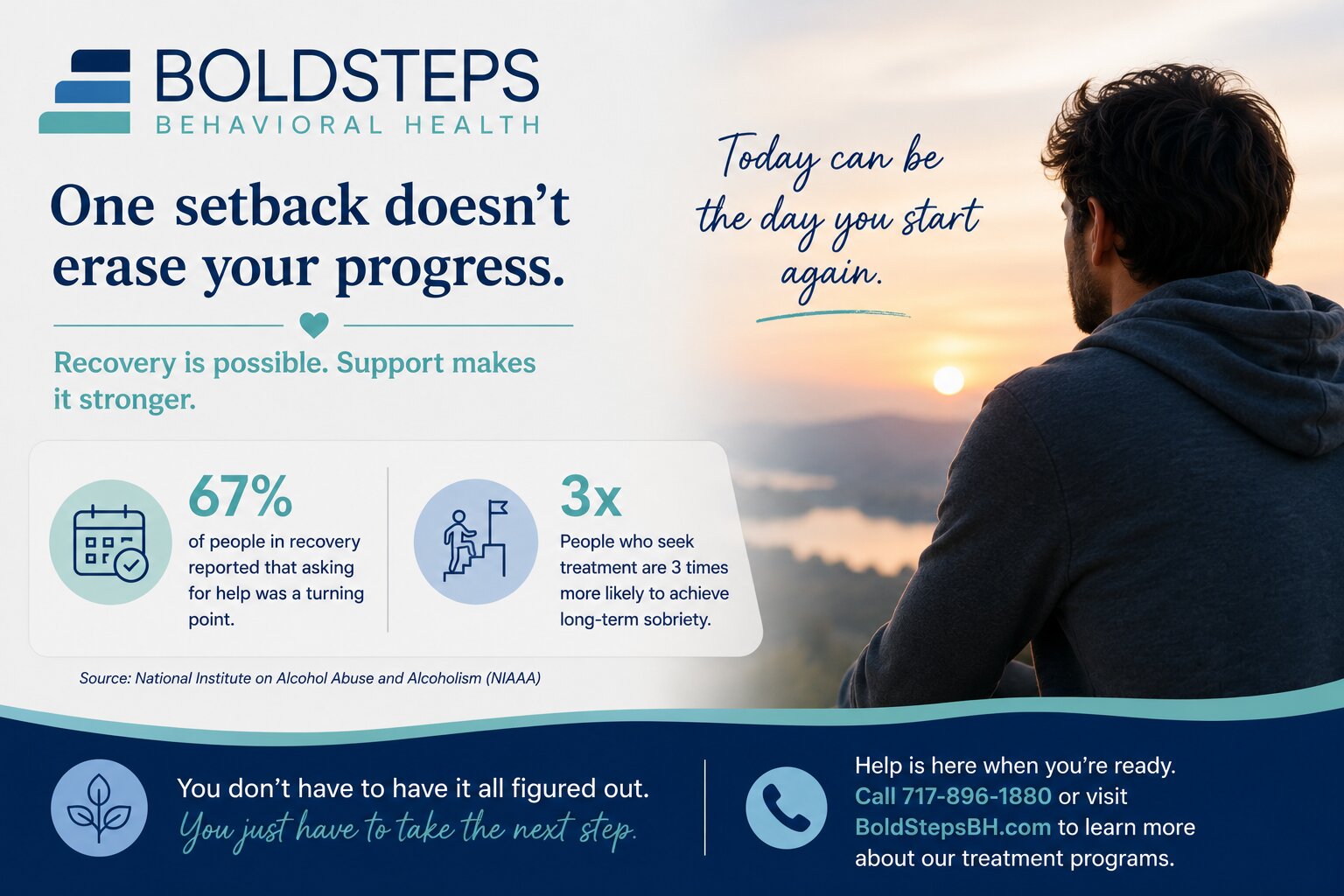
Needing support again does not erase the progress you’ve already made.
Many people who eventually begin exploring alcohol addiction treatment services aren’t looking for perfection.
They’re looking for another chance.
The Fear Starts Before the Phone Call
When I first considered getting help again, I wasn’t worried about recovery.
I was worried about judgment.
I imagined people asking what happened.
I imagined disappointing my family.
I imagined being seen as someone who failed.
That’s one of the cruelest things about relapse. It doesn’t just bring back alcohol. It often brings back every negative belief you’ve ever had about yourself.
Suddenly, one mistake starts feeling like proof that you’ll never get better.
But recovery doesn’t work that way.
The people who stay sober long term aren’t necessarily the people who never struggle.
They’re often the people who learn how to respond when they do.
The courage isn’t in never falling.
The courage is in deciding that one fall doesn’t get the final word.
Everyone Wants to Know How Long It Takes
When people start researching treatment, one question usually comes first:
“How long is this going to take?”
I remember asking it repeatedly.
The honest answer is that every person’s experience is different.
Factors such as drinking history, overall health, age, frequency of alcohol use, and whether other substances are involved can all affect the timeline.
What surprised me was realizing that recovery support isn’t focused on racing through a schedule.
The goal is stability.
Some people begin feeling physically better within a few days. Others require more time, monitoring, and support.
The timeline matters less than the outcome.
What matters is giving your body and mind the opportunity to recover safely.
For many people searching for information about alcohol detox Harrisburg PA, the real question underneath isn’t about days.
It’s about fear.
People want to know:
“Can I get through this?”
The answer is yes.
Thousands of people have stood exactly where you are now.
The First Day Usually Looks Different Than People Expect
Movies have created some strange ideas about recovery.
Many people expect chaos.
They expect dramatic scenes.
They expect to lose all control.
My experience was surprisingly different.
The first day felt less like punishment and more like finally putting down a heavy backpack I’d been carrying for years.
There were conversations.
Questions.
Assessments.
People trying to understand what was happening and what kind of support I needed.
Nobody lectured me.
Nobody shamed me.
Nobody treated me like a lost cause.
Instead, I found people who understood something important:
Relapse doesn’t mean someone doesn’t care about recovery.
Sometimes it means they’re struggling more than anyone realized.
That distinction changes everything.
The Physical Side Is Only Part of the Story
Before getting help, I thought recovery was mostly about alcohol leaving my body.
I didn’t realize how much alcohol had affected everything else.
Sleep.
Mood.
Energy.
Concentration.
Stress.
Relationships.
Even after stopping, I discovered how exhausted I had become from managing my drinking.
Imagine living next to a construction site for years.
Eventually, the noise becomes normal.
Then one day the machinery stops.
At first, the silence feels strange.
Then you realize how much energy you spent trying to function through the noise.
Alcohol can create something similar.
Many people don’t realize how much of their mental and emotional energy is being consumed until they finally step away from it.
What Happens After the First Few Days Matters Most
One mistake I made early in recovery was believing the hardest part ended once alcohol was gone.
It didn’t.
In many ways, the deeper work started afterward.
Because alcohol had become my solution.
It was how I handled stress.
How I escaped difficult emotions.
How I avoided uncomfortable conversations.
How I coped with loneliness.
Once alcohol disappeared, all those underlying issues were still waiting for me.
That’s why ongoing support matters.
For many people, recovery becomes stronger when they continue receiving guidance, counseling, peer support, and structured treatment after the initial stage.
The goal isn’t simply removing alcohol.
The goal is building a life that no longer requires it.
Recovery Is Not About Becoming Someone Else
One of the fears I carried was that sobriety would somehow change who I was.
I worried I’d lose my personality.
My friendships.
My identity.
What I eventually learned is that alcohol wasn’t protecting those things.
It was often preventing them from growing.
Recovery didn’t make me a different person.
It made me more available to my own life.
I started showing up consistently.
I started keeping promises.
I started remembering conversations.
I started experiencing joy without needing a substance to manufacture it.
Those changes didn’t happen overnight.
But they happened.
And they were worth every uncomfortable step.
The Person Who Relapsed Is Not the Whole Story
If you’ve relapsed, your mind may be trying to convince you that this moment defines you.
It doesn’t.
A relapse is an event.
It is not an identity.
You are not your worst day.
You are not your biggest mistake.
You are not the version of yourself that drank yesterday.
You are also the person who fought for sobriety.
The person who cared enough to try.
The person who is reading this because part of them still wants something better.
That part matters.
Protect it.
Listen to it.
Because that voice is often where recovery begins again.
You Don’t Have to Figure Everything Out Today
One of the biggest misconceptions about recovery is that you need a perfect plan before taking action.
You don’t.
You don’t need to know exactly what the next six months will look like.
You don’t need every answer.
You don’t need absolute certainty.
You only need the willingness to take the next step.
Sometimes that step is making a phone call.
Sometimes it’s having an honest conversation.
Sometimes it’s admitting that what you’ve been doing isn’t working anymore.
Small steps have started countless recovery stories.
Yours can begin that way too.
If you’re looking for additional resources and support in Pennsylvania, learning more about support in Pennsylvania may help you understand available options and next steps.
The fact that you’re searching means hope is still present.
Maybe it’s quiet.
Maybe it’s exhausted.
Maybe it’s buried underneath disappointment.
But it’s there.
And sometimes that’s enough to begin again.
Frequently Asked Questions
How long does the early recovery process from alcohol usually take?
The timeline varies for every individual. Factors such as drinking history, overall health, age, and the presence of other substances can affect the process. The focus is not on speed but on safety and stability.
What happens during the first day of treatment?
The first day often includes conversations, assessments, medical evaluations when necessary, and the creation of a personalized care plan. The goal is understanding your needs rather than rushing you through a process.
Is it normal to feel scared about getting help again?
Yes. Many people feel anxious, embarrassed, or uncertain before reaching out. These emotions are common, especially after a relapse. Fear does not mean you’re making the wrong decision.
Does a relapse mean treatment failed?
No. A relapse does not erase previous progress or mean recovery is impossible. Many people experience setbacks and still achieve long-term sobriety.
What happens after the initial stage of recovery?
Many people continue with counseling, peer support, and structured treatment programs to address the emotional, behavioral, and lifestyle factors that contribute to alcohol use.
Can someone recover after multiple relapses?
Absolutely. Many long-term recovery stories include multiple setbacks. What often matters most is continuing to seek support and learning from each experience.
Take the Next Step
If you’re searching for answers about alcohol detox Harrisburg PA, you don’t have to carry the weight of uncertainty alone. Recovery is not about proving your strength. It’s about accepting support when you need it most.
Call 717-896-1880 or visit our alcohol addiction treatment center services to learn more about our addiction treatment, alcohol addiction treatment center services in York County, PA.