

Happiness is a universal goal, but for some, the search for joy leads to harmful shortcuts through substance use. Drugs that create feelings of euphoria or pleasure are often sought for their temporary effects, but their consequences are far-reaching, affecting physical health, mental well-being, relationships, and overall quality of life. At Bold Steps Behavioral Health, we understand the challenges of addiction and offer evidence-based solutions, including our Drug Detox Center, Addiction Treatment Programs, and outpatient services. This article explores how these substances impact the brain, their risks, and how recovery is possible through comprehensive care.
What Are “Happy” Drugs?
“Happy” drugs refer to substances that temporarily induce feelings of euphoria, pleasure, or relaxation by altering the brain’s chemistry. These drugs affect neurotransmitters like dopamine and serotonin, which are responsible for regulating mood, motivation, and pleasure. While their effects may feel rewarding in the short term, they often lead to dependency and a host of negative consequences.
Commonly Abused Substances:
1. Stimulants:
- Examples: Cocaine, methamphetamine, amphetamines (Adderall, Ritalin).
- How They Work: Stimulants increase dopamine levels in the brain, leading to intense feelings of euphoria, heightened energy, and alertness.
- Risks: Heart problems, paranoia, aggression, and addiction.
2. Opioids:
- Examples: Heroin, fentanyl, prescription painkillers (oxycodone, morphine).
- How They Work: Opioids attach to receptors in the brain, reducing pain and inducing relaxation and euphoria.
- Risks: High overdose potential, respiratory depression, and severe physical dependency.
3. MDMA (Ecstasy/Molly):
- How It Works: MDMA increases serotonin release, creating feelings of closeness, happiness, and sensory enhancement.
- Risks: Dehydration, overheating, and long-term damage to serotonin receptors.
4. Cannabis (Marijuana):
- How It Works: THC in cannabis binds to receptors in the brain, creating relaxation and mild euphoria.
- Risks: Cognitive impairment, dependency, and potential mental health issues like anxiety or psychosis.
5. Hallucinogens:
- Examples: LSD, psilocybin mushrooms, ketamine.
- How They Work: These drugs alter perception and emotions, creating a sense of euphoria or spiritual awakening.
- Risks: Psychological distress, flashbacks, and unpredictable experiences.
6. Alcohol:
- How It Works: Alcohol depresses the central nervous system, leading to relaxation and temporary euphoria.
- Risks: Addiction, liver damage, impaired judgment, and risky behaviors.
The Science Behind Euphoria: How Drugs Affect the Brain
Euphoria, the intense feeling of happiness or pleasure, is often at the core of why people turn to drugs. These substances manipulate the brain’s reward system to produce a temporary “high,” but the long-term effects can be devastating. Understanding the science behind euphoria is key to recognizing why drugs are so addictive and how they alter the brain’s natural chemistry.
The Brain’s Reward System
The brain is equipped with a reward system designed to reinforce survival behaviors, such as eating or socializing, by releasing dopamine, the “feel-good” neurotransmitter. Drugs hijack this system, producing an exaggerated release of dopamine or serotonin that far exceeds what the brain experiences naturally. This creates an intense feeling of euphoria that users often seek to replicate.
How Drugs Alter Brain Chemistry
- Dopamine Flooding
- Drugs like cocaine, methamphetamine, and opioids cause an unnatural surge of dopamine, creating a sense of euphoria, increased energy, or relaxation.
- Over time, the brain reduces its natural dopamine production in response to the artificial spikes, leading to dependence on the drug to feel normal.
- Serotonin Manipulation
- Substances like MDMA and LSD affect serotonin levels, leading to feelings of empathy, joy, and heightened sensory perception. However, repeated use depletes serotonin stores, often resulting in depression, anxiety, and emotional instability.
- Glutamate and GABA Disruption
- Alcohol and benzodiazepines alter the balance of glutamate (excitatory) and GABA (inhibitory) neurotransmitters, slowing brain function and creating a calming or euphoric effect. Chronic use can disrupt this balance, leading to withdrawal symptoms and cognitive impairment.
The Cycle of Tolerance, Dependence, and Addiction
- Tolerance:
With repeated use, the brain becomes less sensitive to the drug’s effects, requiring higher doses to achieve the same level of euphoria. - Dependence:
The brain begins to rely on the drug for dopamine or serotonin, making it difficult to experience pleasure without it. - Addiction:
The individual loses control over drug use, prioritizing it over relationships, work, and health despite negative consequences.
Risks and Consequences of Using “Happy” Drugs
While the initial effects may seem positive, the long-term consequences of drug use are often devastating.
Physical Risks:
- Overdose: Many “happy” drugs, especially opioids and stimulants, carry a high risk of overdose, which can be fatal.
- Organ Damage: Chronic drug use can harm the liver, kidneys, heart, and brain.
- Weakened Immune System: Drug use can reduce the body’s ability to fight infections.
Mental Health Risks:
- Depression and Anxiety: Prolonged drug use depletes natural dopamine and serotonin levels, leading to mood disorders.
- Cognitive Decline: Memory, decision-making, and focus are often impaired.
- Psychosis: Drugs like methamphetamine and hallucinogens can induce paranoia, hallucinations, or delusions.
Social and Emotional Risks:
- Relationship Strain: Addiction often leads to conflicts with family and friends.
- Financial Instability: The cost of maintaining a drug habit can lead to debt or financial ruin.
- Legal Issues: Many drugs are illegal, and possession or use can result in arrest and incarceration.
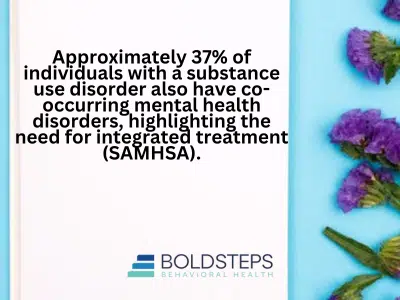
Breaking the Cycle: The Importance of Professional Treatment
Overcoming addiction isn’t just about stopping drug use—it’s about addressing the underlying factors that contribute to dependency and rebuilding a healthy life. Professional treatment is essential for breaking the cycle of addiction and restoring balance to the brain and body.
Why Professional Treatment Matters
- Safe Detoxification:
- Stopping drug use abruptly can cause withdrawal symptoms that are not only uncomfortable but potentially life-threatening.
- A Drug Detox Center provides medical supervision to ensure safety and comfort during the detox process, reducing the risk of complications.
- Comprehensive Care for the Whole Person:
- Addiction isn’t just physical—it’s deeply tied to emotional, psychological, and social factors.
- Programs like Addiction Treatment Programs and Drug Addiction Treatment Centers address all aspects of addiction, from trauma and mental health disorders to rebuilding life skills and relationships.
- Customized Recovery Plans:
- Professional treatment offers individualized care tailored to each person’s unique needs.
- Options like Partial Hospitalization Programs (PHP) and Intensive Outpatient Programs (IOP) allow flexibility while ensuring access to intensive therapy and support.
- Relapse Prevention:
- Addiction is a chronic condition, and relapse is a common part of the recovery journey.
- Professional treatment equips individuals with coping strategies, relapse prevention plans, and ongoing support through Outpatient Treatment Programs.
The Role of Therapy and Support in Recovery
- Individual Therapy:
- Addresses the root causes of addiction, such as trauma, stress, or mental health disorders.
- Helps individuals develop healthier coping mechanisms and emotional resilience.
- Group Therapy:
- Provides a sense of community and shared understanding, reducing feelings of isolation.
- Encourages accountability and peer support.
- Holistic Approaches:
- Techniques like mindfulness, yoga, and nutrition counseling promote overall well-being and stress management.
- Family Involvement:
- Family therapy helps rebuild trust and communication, creating a stronger support system for long-term recovery.
Treatment Options at Bold Steps Behavioral Health
At Bold Steps Behavioral Health, we offer a comprehensive range of treatment programs tailored to each individual’s needs, ensuring a path to sustainable recovery.
1. Drug Detox Center
Detoxification is the first step in recovery, as it allows the body to rid itself of harmful substances.
- Medical Supervision: Our Drug Detox Center provides 24/7 care to manage withdrawal symptoms safely.
- Symptom Management: Medications and therapies are used to reduce discomfort and stabilize the individual.
2. Inpatient Treatment
For individuals with severe addiction, inpatient care offers a safe, structured environment.
- 24/7 Support: Continuous medical and emotional care.
- Therapy and Counseling: Focuses on the root causes of addiction and relapse prevention strategies.
3. Partial Hospitalization Program (PHP)
Our PHP provides intensive care during the day while allowing clients to return home in the evenings.
- Comprehensive Therapy: Individual and group counseling sessions.
- Skills Training: Teaches coping mechanisms and stress management techniques.
4. Intensive Outpatient Program (IOP)
The Intensive Outpatient Program is ideal for those transitioning from inpatient care or those with mild to moderate addiction.
- Flexible Scheduling: Balances treatment with work, school, or family responsibilities.
- Focus on Relapse Prevention: Helps clients build long-term resilience.
5. Outpatient Treatment Program
Our Outpatient Treatment Program supports long-term recovery by offering periodic therapy and guidance.
- Continued Therapy: Addresses challenges as they arise.
- Support Groups: Builds a strong recovery network.
Achieving True Happiness Through Recovery
While drugs offer fleeting moments of happiness, true and lasting fulfillment comes from a balanced, drug-free life. At Bold Steps Behavioral Health, we focus on helping individuals rebuild their lives through holistic, evidence-based care.
Our Comprehensive Approach Includes:
- Individual Therapy: Addresses personal struggles and emotional healing.
- Group Counseling: Fosters a sense of community and shared experiences.
- Holistic Therapies: Yoga, meditation, and fitness to promote overall well-being.
- Life Skills Development: Prepares clients for a successful transition back to everyday life.
Conclusion
Drugs that make you “happy” may provide temporary relief, but their long-term consequences often lead to addiction, health complications, and emotional distress. Recovery is not only possible—it can lead to a healthier, more fulfilling life.
At Bold Steps Behavioral Health, we provide the care, tools, and support you need to overcome addiction and rediscover lasting happiness. Whether you require detox, inpatient care, or outpatient support, our team is here to guide you every step of the way.
Take the first bold step today—contact us at (717) 896-1880 to learn more about our Drug Detox Center, Addiction Treatment Programs, and other services.
FAQ on Drugs That Make You Happy
What are “happy” drugs?
“Happy” drugs are substances that create temporary feelings of euphoria, pleasure, or relaxation by altering brain chemistry. Common examples include stimulants (e.g., cocaine), opioids (e.g., heroin), MDMA, cannabis, alcohol, and hallucinogens.
How do “happy” drugs affect the brain?
These drugs flood the brain with neurotransmitters like dopamine or serotonin, creating artificial feelings of happiness. Over time, they can lead to dependency, deplete natural chemical levels, and damage the brain’s reward system.
Are “happy” drugs addictive?
Yes, most drugs that induce euphoria are highly addictive. They often lead to tolerance, dependence, and addiction, requiring professional intervention to break the cycle.
What are the risks of using “happy” drugs?
The risks include physical health problems (e.g., organ damage, overdose), mental health issues (e.g., depression, anxiety), and social consequences (e.g., strained relationships, legal trouble).
How can Bold Steps Behavioral Health help with addiction to “happy” drugs?
We offer comprehensive treatment, including Drug Detox Centers, Addiction Treatment Programs, and outpatient services, to help individuals safely detox, address the root causes of addiction, and build a path to long-term recovery.