

Seeking treatment for alcohol addiction is one of the most important steps toward reclaiming a healthy and fulfilling life. However, for individuals without health insurance, the cost of alcohol rehab can seem overwhelming. Many people worry that without coverage, they won’t be able to afford quality addiction treatment.
The reality is that alcohol rehab is available at various price points, and many treatment centers offer financial assistance, sliding-scale fees, and alternative payment plans. Understanding the different levels of care and available funding options can help individuals make an informed decision about seeking treatment.
At Bold Steps Behavioral Health, we believe that financial concerns should not stand in the way of recovery. That’s why we provide flexible addiction treatment programs, including:
- Drug Detox Center
- Alcohol Detox Center
- Alcohol Addiction Treatment Center
- Alcohol Addiction Treatment Program
- Addiction Treatment Programs
- Partial Hospitalization Program (PHP)
- Intensive Outpatient Program (IOP)
- Outpatient Treatment Program
This guide will explore the cost of alcohol rehab without insurance, what factors affect pricing, and alternative ways to afford treatment so that financial worries don’t keep you from getting the help you need.
How Much Does Alcohol Rehab Cost Without Insurance?
The cost of alcohol rehab varies depending on several factors, including the type of treatment, length of stay, medical care provided, and facility location. Below is an estimated breakdown of average costs for different levels of alcohol addiction treatment:
1. Alcohol Detox Cost
- Cost: $300 to $800 per day
- Duration: 3 to 10 days
- Purpose: Alcohol detox is the first step in addiction recovery, allowing the body to safely withdraw from alcohol under medical supervision.
- Includes: Medical monitoring, withdrawal symptom management, IV fluids, and medication-assisted treatment (MAT) if needed.
2. Inpatient Alcohol Rehab Cost
- Cost: $5,000 to $60,000 per month
- Duration: 30, 60, or 90 days
- Purpose: Inpatient rehab provides 24/7 supervision, medical care, and therapy in a structured, residential setting.
- Includes:
- Detox (if necessary)
- Individual and group therapy
- Behavioral therapy (CBT, DBT)
- Medication management
- Nutritional support and wellness programs
3. Partial Hospitalization Program (PHP) Cost
- Cost: $7,000 to $20,000 per month
- Duration: 5-7 days per week, 6-8 hours per day
- Purpose: PHP offers intensive treatment without requiring overnight stays, making it a more affordable alternative to inpatient rehab.
- Includes:
- Therapy sessions
- Medical supervision
- Relapse prevention education
- Medication-assisted treatment (if needed)
4. Intensive Outpatient Program (IOP) Cost
- Cost: $3,000 to $10,000 per month
- Duration: 3-5 days per week, 3-4 hours per session
- Purpose: IOP is a flexible treatment option that allows individuals to continue working, attending school, or fulfilling family obligations while receiving structured therapy.
- Includes:
- Individual and group therapy
- Relapse prevention planning
- Mental health support for co-occurring disorders
5. Outpatient Treatment Program Cost
- Cost: $1,500 to $5,000 per month
- Duration: 1-3 days per week, 1-2 hours per session
- Purpose: Outpatient rehab provides long-term recovery support for individuals who have completed a higher level of care but still need accountability and guidance.
- Includes:
- Weekly therapy
- Peer support groups
- Aftercare planning and relapse prevention
Factors That Affect Alcohol Rehab Costs
The total cost of alcohol addiction treatment can vary significantly based on several key factors:
1. Type of Treatment Program
- Inpatient rehab is the most expensive due to round-the-clock care.
- PHP and IOP are more affordable while still providing intensive support.
2. Length of Stay
- Longer stays (60-90 days) have higher costs but better long-term recovery rates.
- Some centers offer shorter programs (7-14 days) at a lower cost.
3. Location of the Facility
- Treatment centers in major cities tend to cost more than those in rural areas.
- Luxury rehab centers with scenic locations may charge premium prices.
4. Medical and Psychiatric Services
- Programs that offer detox, medication-assisted treatment (MAT), and dual diagnosis treatment have higher costs.
- Therapy-focused outpatient programs are generally more budget-friendly.
5. Amenities and Accommodations
- Standard rehab facilities focus on evidence-based treatment and are more affordable.
- Luxury rehabs with private rooms, holistic therapies, and gourmet meals charge premium rates.
How to Afford Alcohol Rehab Without Insurance
If you don’t have insurance, you still have several financial options to help cover the cost of alcohol rehab.
1. Sliding Scale Payment Plans
- Many treatment centers adjust their pricing based on income.
- Lower-income individuals may qualify for reduced fees.
2. Monthly Payment Plans & Financing
- Some rehab centers allow patients to pay for treatment in installments.
- Financing options with low or no interest rates may be available.
3. State-Funded Rehab Programs
- Some states offer low-cost or free treatment programs through government-funded initiatives.
- Eligibility varies by income and addiction severity.
4. Nonprofit & Faith-Based Organizations
- Several charities and religious groups offer scholarships and financial aid for rehab.
- Programs like SAMHSA grants help cover addiction treatment costs.
5. Employee Assistance Programs (EAPs)
- Some employers provide confidential addiction treatment benefits for employees.
- Check with your HR department for available mental health and addiction services.
6. Community & Crowdfunding Support
- Platforms like GoFundMe can help raise funds for treatment.
- Friends, family, and support groups may offer financial assistance.
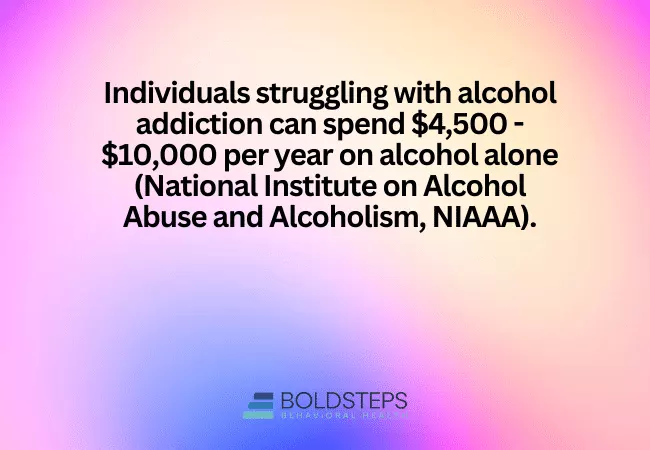
Why Investing in Alcohol Rehab is Worth It
Although rehab costs may seem high, not getting treatment can be even more costly.
The Financial Burden of Alcohol Addiction
- Alcohol addiction costs the U.S. $249 billion annually due to healthcare expenses, lost productivity, and criminal justice costs (CDC).
- Individuals with untreated alcoholism often face higher medical bills, legal fees, job loss, and relationship breakdowns.
Long-Term Health Benefits of Treatment
- Alcohol rehab improves mental and physical health, reducing medical costs in the future.
- Higher quality of life after treatment leads to better employment, relationships, and overall well-being.
Investing in rehab saves money, improves health, and creates a pathway to lasting sobriety.
Conclusion
While alcohol rehab without insurance may seem financially overwhelming, affordable treatment options are available. From sliding-scale fees to payment plans and state-funded programs, individuals can find ways to cover the cost of rehab without sacrificing quality care.
At Bold Steps Behavioral Health, we are committed to helping individuals find the right treatment at an affordable cost. Whether you need detox, PHP, IOP, or outpatient care, our team will work with you to explore financial assistance options. Call (717) 702-6335 today to discuss your treatment options and begin your recovery journey. Taking the first bold step can change your life.
FAQ on Alcohol Rehab Cost Without Insurance
What are the most affordable alcohol rehab options?
If you need a more cost-effective option, consider:
- Outpatient programs (IOP or standard outpatient treatment)
- State-funded or nonprofit rehab centers
- Sliding scale payment plans based on income
- Financial aid or scholarships from addiction treatment centers
Does Medicaid or Medicare cover alcohol rehab?
Yes, both Medicaid and Medicare cover addiction treatment in many cases, but coverage depends on the state and the type of treatment required. Free or low-cost rehab options may be available through government-funded programs.
Can I get financial assistance for alcohol rehab?
Yes, several financial assistance options exist, including:
- Payment plans and financing options
- Sliding scale fees based on income
- Grants or scholarships from nonprofits
- Employee Assistance Programs (EAPs)
What is the difference between inpatient and outpatient alcohol rehab?
- Inpatient rehab requires individuals to stay at a treatment facility and receive 24/7 medical care and therapy.
- Outpatient rehab (including IOP and PHP) allows individuals to receive structured treatment while continuing to live at home.
How long does alcohol rehab last?
The length of alcohol rehab varies by program:
- Detox: 3-10 days
- Inpatient treatment: 30, 60, or 90 days
- PHP: 1-3 months
- IOP: 6-12 weeks
- Outpatient treatment: Ongoing, as needed
How can I pay for alcohol rehab without insurance?
If you don’t have insurance, you can:
- Use sliding scale payment plans
- Apply for state-funded programs
- Seek nonprofit or community grants
- Arrange low-interest financing or monthly payments
Is alcohol rehab worth the cost?
Yes. The cost of not getting treatment can be much higher, leading to legal issues, job loss, severe health conditions, and financial instability. Rehab improves long-term health, relationships, and overall quality of life.