

Starting the journey to recovery is a brave and vital choice—but detox is often where fear stands in the way. For many people struggling with substance use, the thought of withdrawal can feel overwhelming, even terrifying. The truth? Withdrawal symptoms are real, but they are manageable—with the right help.
At Bold Steps Behavioral Health, we provide safe, medically supervised detox at our Drug Detox Center in Harrisburg, Pennsylvania, helping people navigate withdrawal with dignity and support. This guide explains the most common withdrawal symptoms people experience during detox, why they occur, and how our professional team manages them through our evidence-based Medical Detoxification Program in Harrisburg, Pennsylvania.
Why Withdrawal Symptoms Happen
Substance use disrupts the brain’s natural chemical balance. Over time, your body adapts to the presence of drugs or alcohol. When use suddenly stops, your brain and nervous system must rebalance—and that process can be physically and psychologically stressful.
Withdrawal symptoms are your body’s way of recalibrating. They vary depending on:
- The substance used
- How long and how frequently it was used
- The person’s physical health, age, and mental health
- Whether multiple substances were used (polysubstance use)
Detoxing is not just about flushing a substance out of the body—it’s about supporting the entire system as it heals from chemical dependence.
Common Withdrawal Symptoms by Drug Type
Opioids (heroin, fentanyl, oxycodone, morphine)
Timeline: Symptoms can begin 6–12 hours after last use and peak at 48–72 hours.
Common symptoms include:
- Muscle and bone pain
- Chills and goosebumps
- Intense sweating
- Nausea, vomiting, and diarrhea
- Dilated pupils and watery eyes
- Anxiety, irritability, and agitation
- Insomnia and restlessness
- Strong cravings for opioids
How we manage it:
At Bold Steps, we provide Medication-Assisted Treatment (MAT) using FDA-approved medications such as Suboxone (buprenorphine/naloxone) and methadone. These ease withdrawal severity, reduce cravings, and stabilize clients physically. We also offer comfort medications, hydration support, and emotional counseling to keep you safe and supported.
Benzodiazepines (Xanax, Ativan, Klonopin, Valium)
Timeline: Symptoms may begin 1–3 days after last use and can last 1–2 weeks or longer.
Common symptoms include:
- Severe anxiety or panic attacks
- Tremors and muscle twitching
- Light sensitivity
- Insomnia
- Confusion and memory issues
- Hallucinations
- Seizures (a medical emergency)
How we manage it:
Benzodiazepine withdrawal can be life-threatening if not handled correctly. We create a gradual tapering plan, replacing short-acting benzos with longer-acting ones (like diazepam) under close medical monitoring. Our 24/7 nursing staff track your vitals and intervene immediately if complications arise.
Stimulants (cocaine, methamphetamine, Adderall)
Timeline: Symptoms begin within a few hours of last use and may last 1–2 weeks.
Common symptoms include:
- Deep depression or hopelessness
- Suicidal thoughts
- Lethargy and excessive sleep
- Slow thinking or slurred speech
- Intense cravings
- Anxiety and agitation
- Psychosis or paranoia in some cases
How we manage it:
Detox from stimulants is primarily psychological. Our care focuses on psychiatric stabilization, mood support, and crisis intervention if suicidal ideation is present. Therapeutic sessions, rest, and nutrition help re-regulate your system while you begin mental health treatment alongside detox.
Alcohol
Timeline: Symptoms begin within 6–24 hours and may worsen rapidly over 2–4 days.
Common symptoms include:
- Hand tremors
- Nausea and vomiting
- Sweating and increased heart rate
- Seizures
- Hallucinations (visual or auditory)
- Delirium tremens (DTs)—a life-threatening condition
How Bold Steps Manages Withdrawal Symptoms
Detox doesn’t have to be unbearable—or dangerous. With proper care, symptoms can be managed and minimized.
1. 24/7 Medical Monitoring
- Ongoing vital checks (blood pressure, oxygen, heart rate)
- Seizure and fall prevention protocols
- Emergency response readiness
- Continuous reassessment of medication needs
2. Medication-Assisted Treatment (MAT)
- Tailored medication protocols for opioids, alcohol, and benzos
- Comfort meds (anti-nausea, muscle relaxants, sleep aids)
- Antidepressants or antipsychotics for dual diagnosis clients
3. Mental Health & Emotional Support
- On-site therapists and psychiatrists
- Trauma-informed care for co-occurring PTSD, depression, or anxiety
- Daily check-ins and crisis support
- Group therapy (when appropriate)
Many clients entering detox also struggle with unresolved mental health issues. That’s why our Mental Health Treatment in Harrisburg, Pennsylvania is integrated into our detox and treatment model from day one.
4. Nutrition & Hydration
- Balanced meals that support liver, brain, and gut repair
- Vitamin supplementation (e.g., thiamine, folate, magnesium)
- IV fluids or electrolyte rehydration if necessary
- Support for clients too nauseated to eat
5. Rest, Safety & Structure
- Private rooms and low-stimulation environments
- Daily routines to reestablish sleep and meal timing
- Positive, non-judgmental staff who provide both professionalism and compassion
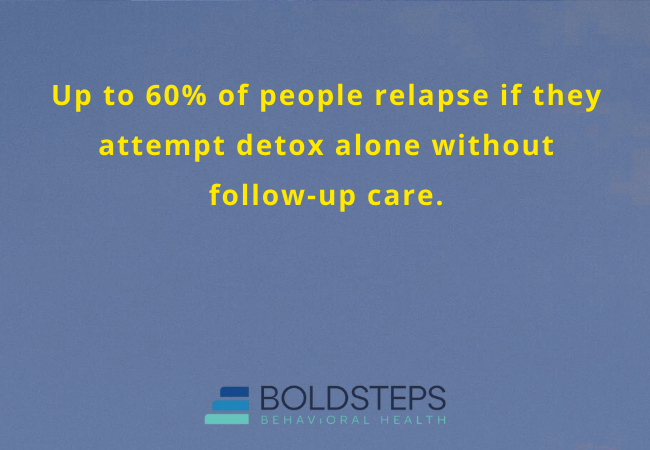
Why Self-Detox Fails (and Can Be Dangerous)
While some people attempt to detox at home, the results are often:
- Incomplete detox: leading to fast relapse
- Medical emergencies: seizures, hallucinations, or dehydration
- Psychological distress: panic attacks or suicidal ideation
- No transition plan: no support for what comes next
Detoxing alone is never recommended. At Bold Steps, we provide Detox Placement in Harrisburg, Pennsylvania, so you can access care quickly, safely, and with a clear path forward.
What Happens After Detox?
Once withdrawal symptoms subside, true healing begins. Detox prepares the body—but long-term recovery requires structured therapy and support. We offer full-spectrum programs at our Addiction Treatment Center in Harrisburg, Pennsylvania, including:
🔹 Partial Hospitalization Program (PHP)
A full-day program offering therapy, group counseling, and medical support.
🔹 Intensive Outpatient Program (IOP)
Ideal for clients stepping down from PHP or needing a flexible schedule.
🔹 Outpatient Therapy & Dual Diagnosis
Ongoing support for mental health and relapse prevention.
🔹 Aftercare & Alumni Programs
Sober living referrals, peer support, and continued check-ins after formal treatment ends.
Why Choose Bold Steps for Detox in Pennsylvania?
At Bold Steps Behavioral Health, we believe every person deserves to detox with dignity, safety, and support. Our programs are designed to meet you where you are—whether you’re detoxing from opioids, alcohol, benzos, or multiple substances.
We offer:
- Same-day Detox Placement in Harrisburg, Pennsylvania
- 24/7 medically supervised detox for all major substances
- Integrated Mental Health Treatment
- Seamless transition to PHP, IOP, or outpatient programs
- Judgment-free, trauma-informed care
Conclusion
Withdrawal symptoms can feel intense, overwhelming, and sometimes even frightening—but they don’t have to define your recovery experience. With the right medical support, compassionate care, and a personalized plan, detox can become the gateway to healing—not a barrier to it.
At Bold Steps Behavioral Health, we’re here to make your first step as safe, supported, and successful as possible. From medically managed detox to ongoing therapy and aftercare, our team stands beside you at every stage of recovery. Call us today at 717.896.1880 to speak confidentially with our admissions team and begin your recovery in a place where your safety and dignity come first. You don’t have to suffer through withdrawal. You don’t have to do it alone. Take the bold step—and start your healing journey today.
FAQ on Common Withdrawal Symptoms During Drug Detox
What are the most common withdrawal symptoms during detox?
Common symptoms include nausea, vomiting, insomnia, sweating, anxiety, muscle pain, hallucinations, seizures, and intense cravings—depending on the substance and severity of use.
Is withdrawal different for each drug?
Yes. Opioids, alcohol, benzos, and stimulants all cause different withdrawal symptoms and require unique treatment protocols during detox.
Can withdrawal symptoms be life-threatening?
Yes. Withdrawal from alcohol and benzodiazepines can lead to seizures, hallucinations, and a potentially fatal condition called delirium tremens (DTs), which require emergency medical care.
How does Bold Steps manage withdrawal symptoms?
Through our Medical Detoxification Program in Harrisburg, Pennsylvania, we offer 24/7 supervision, medication-assisted treatment (MAT), hydration, nutrition, and mental health support to ease symptoms safely.
Do you treat mental health issues during detox?
Yes. We integrate Mental Health Treatment in Harrisburg, Pennsylvania from day one, providing therapy, psychiatric support, and dual diagnosis care for co-occurring disorders.
How long does drug detox take?
Most detox programs last 5 to 7 days, but it depends on the type of substance, frequency of use, and your overall health.