

“If I stop, do I stop being me?”
I’ve heard that question—some version of it—over and over.
It’s not always spoken out loud. Sometimes it’s in the eyes of someone sitting across from me, arms crossed, half-smiling like they’re joking, even though they’re not. Sometimes it’s buried under more clinical questions: “Will this med change my personality?” or “I’m just afraid I won’t be creative anymore.”
But the real question? It’s this: If I get sober, do I lose the parts of me that feel alive?
And if that’s where you are, I want to tell you something—you’re not crazy for feeling that way. And you’re not alone.
What Substances Gave You: Let’s Be Honest About That
In recovery spaces, there’s often pressure to paint substance use as all-bad, all-harm. But the truth is more complicated.
If alcohol made you outgoing in rooms that used to make you shrink…
If pills quieted the noise in your brain just long enough for you to sleep, to think, to breathe…
If cocaine made you feel powerful for once in your life…
Then of course it’s hard to let that go.
We need to be able to say this: It gave you something.
Relief. Connection. Energy. Art. Escape. Control.
The problem? It didn’t stop there. It started taking more than it gave. It changed the terms. The price kept going up.
What If Medication Assisted Treatment Could Be a Bridge, Not a Barrier?
When we talk about medication assisted treatment (MAT), the fear often sounds like this:
- “Isn’t that just trading one thing for another?”
- “What if I get numbed out?”
- “Will this med make me feel like a robot?”
All valid. Especially if you’re someone who lives through emotion—who writes, sings, paints, or even just feels deeply.
Here’s how I try to explain it:
MAT isn’t designed to erase you. It’s there to create a safe enough container so you can find your way back to who you are—without the chaos.
Think of it like being underwater for too long. MAT is the life raft that lets you breathe while you learn how to swim in a different way.
It’s not about silencing your identity. It’s about giving it space to come through clearly, without distortion.
“But I’m Scared I’ll Lose My Edge”
I’ve worked with clients who were brilliant creatives. Some wrote music that cracked open rooms. Others could make you cry from a one-line poem. Almost every one of them was terrified that recovery would steal that spark.
Here’s the truth: the spark wasn’t the substance.
It was always you.
The substance may have made it easier to access for a while—but it also took a toll. Anxiety. Crashes. Self-doubt. Hollowed-out mornings. Shame.
When the fog lifts? The creativity doesn’t disappear. It roots. It gets deeper. More sustainable. More honest.
One client told me, “My work has more weight now. It’s not manic magic—it’s mine.”
MAT and Identity: You’re Still in the Driver’s Seat
There’s a stigma that using medication in recovery is somehow “cheating” or not really being sober.
Let me say this clearly as a clinician: Recovery is not a contest. There is no prize for doing it the hardest way.
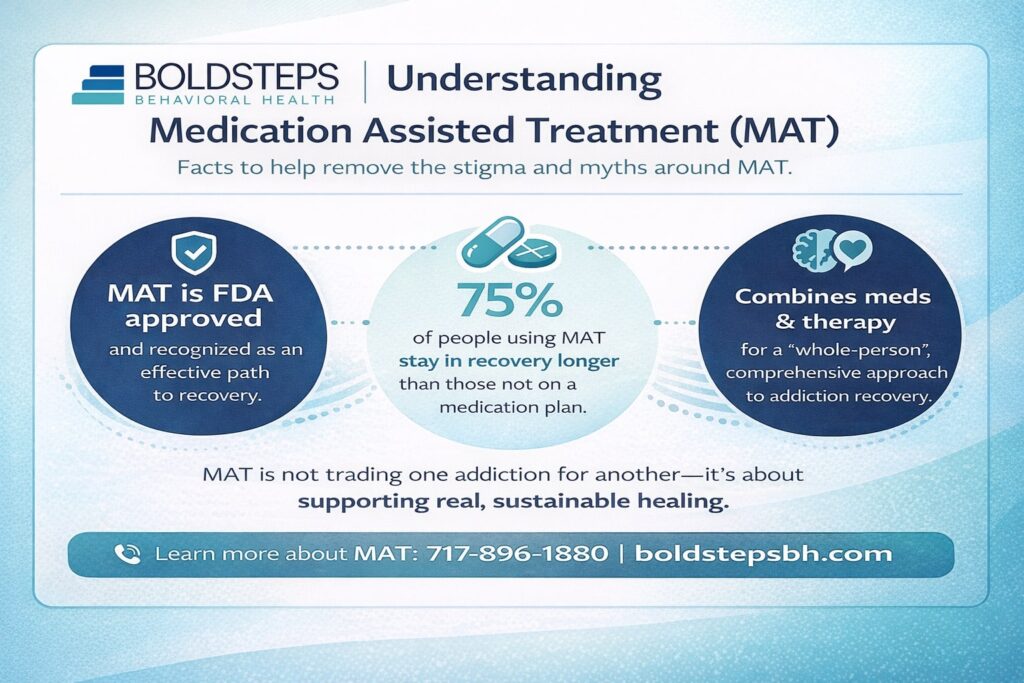
Medication assisted treatment is not about replacing one addiction with another. It’s about giving your body and brain the stability they need to heal. And healing? That looks different for everyone.
For some, that includes naltrexone or buprenorphine. For others, it might include medication management for co-occurring anxiety or depression.
None of those things take away your autonomy.
You’re still the one steering. The medication is just adjusting the road conditions.
What Recovery Actually Feels Like—From Someone Who’s Seen It
Here’s the part no one tells you when you’re afraid sobriety will flatten you: you’re allowed to miss the rush.
You’re allowed to grieve the version of yourself that danced on tables or stayed up all night writing songs that only made sense at 3am.
But you’re also allowed to love who’s coming next—the version of you that doesn’t wake up scared, or forget entire weekends, or constantly have to explain yourself.
You won’t become someone else.
You’ll become someone more honest.
Finding Treatment Options That Respect Who You Are
At Bold Steps, we believe in a recovery model that honors identity—not overrides it. We’ve worked with musicians, performers, teachers, engineers, activists, parents, and creatives of all stripes.
Our medication assisted treatment plans are tailored to the individual—not the diagnosis. That means we talk with you. We listen. And we help build a plan that fits who you are and who you’re becoming.
And if you’re looking for inclusive, personalized treatment options in Pennsylvania, we’d be honored to walk that road with you. Easily accessible from anywhere in Harrisburg & Dauphin County, Lancaster County, York County and beyond.
Medication Assisted Treatment FAQ
What is medication assisted treatment (MAT)?
Medication assisted treatment uses FDA-approved medications—often alongside therapy and behavioral supports—to help people recover from substance use. It’s not a quick fix. It’s a clinical tool that helps stabilize brain chemistry so healing can begin.
Does MAT mean I’m not really sober?
No. MAT is recognized as a valid path to recovery by organizations like SAMHSA and the CDC. Sobriety is about living a life that’s free from the chaos and destruction of addiction—not suffering without support.
Will the medication change who I am?
When properly prescribed and monitored, medication should not dull your personality or creativity. In fact, many people report feeling more like themselves once the chemical chaos settles.
Is MAT just for opioids?
No. While MAT is commonly associated with opioid use disorder (OUD), medications are also used to support recovery from alcohol use disorder (AUD) and other co-occurring mental health challenges.
Can I still go to therapy while on MAT?
Absolutely. In fact, therapy is often a key part of MAT. The medications help regulate your brain chemistry so that therapy becomes more effective and emotionally accessible.
How do I know if MAT is right for me?
That’s a conversation worth having with a professional. At Bold Steps, we don’t push any one approach—we help you explore what might support your goals, your identity, and your long-term wellbeing.
You Deserve Support That Sees the Whole You
If you’re standing at the edge of change—curious, scared, uncertain—you’re in the right place.
Recovery doesn’t mean losing who you are. It means getting to live as that person—fully, freely, and without fear.
📞 Call 717-896-1880 or visit our MAT program page to learn more about our medication assisted treatment services in Harrisburg, PA.
Whether you’re creative, cautious, or still questioning—there’s a path forward that includes all of you.