

You probably already know something has to change.
Maybe your drinking has gotten heavier lately. Maybe you’ve started building your evenings around alcohol without meaning to. Maybe the people who love you are worried, and you’re tired of pretending everything is fine.
Or maybe you’re the person staying awake at 2am searching things like “how to help alcoholic boyfriend” because you don’t know what else to do anymore.
That fear can make treatment sound terrifying.
People imagine sterile hallways. Harsh rules. Public shame. Losing control. Being forced to confess every mistake they’ve ever made.
But most people who actually walk into an alcohol addiction treatment center end up saying the same thing:
“I thought it would feel worse than this.”
Not because recovery is easy. It isn’t.
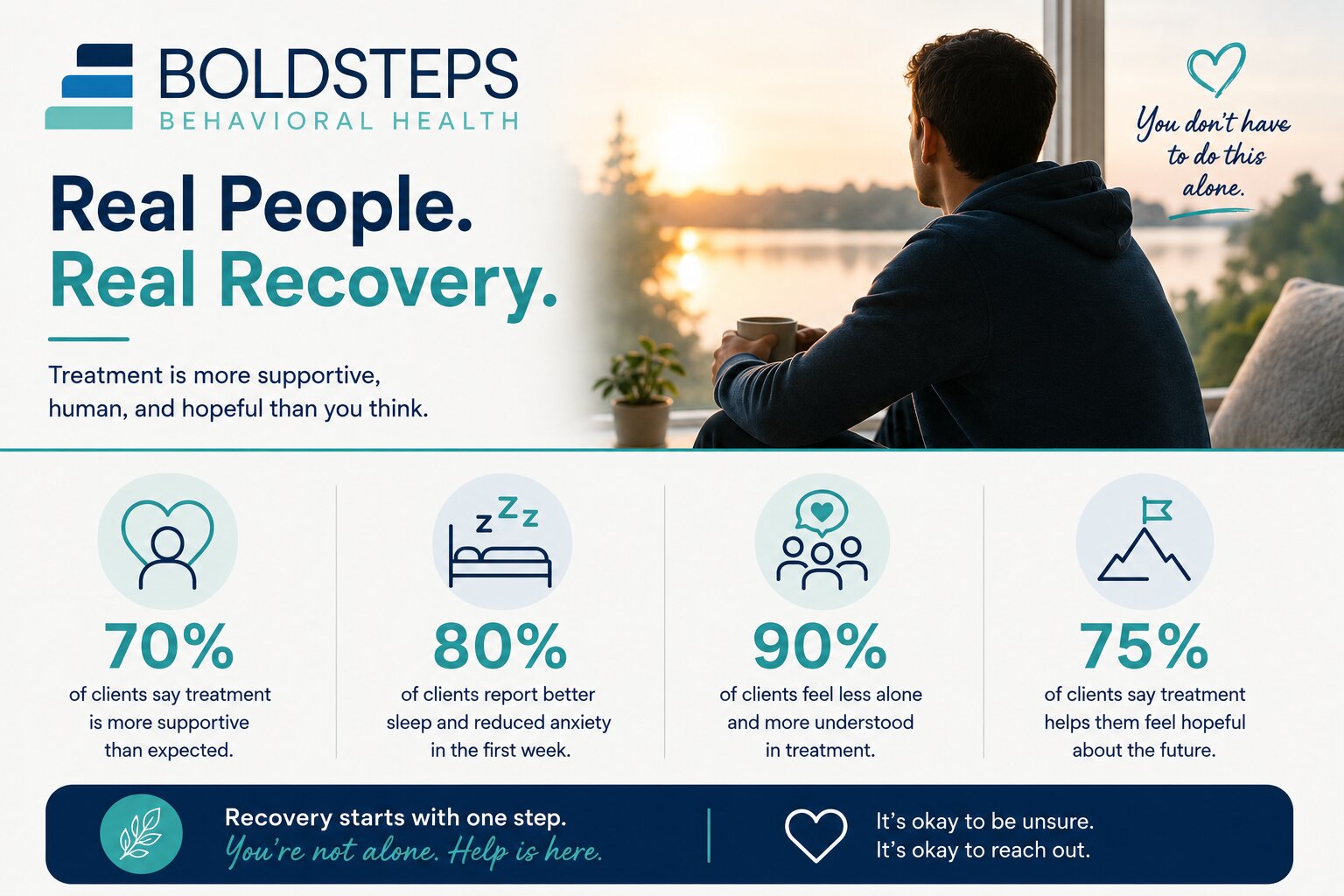
But because treatment is often far more human, gentle, and grounding than people expect.
Most People Arrive Exhausted — Not Defiant
There’s a stereotype that people entering treatment are reckless, dramatic, or refusing to care about anyone around them.
In reality, many people arrive deeply tired.
Tired of waking up anxious.
Tired of hiding bottles.
Tired of apologizing.
Tired of trying to control something that no longer feels controllable.
Some are successful professionals who still go to work every day. Some are parents trying to hold families together. Some look completely “fine” from the outside while privately falling apart.
That’s one reason alcohol addiction can stay hidden for so long.
Many people seeking help don’t match the stereotype they had in their own head.
And treatment staff understand that. The goal isn’t to humiliate you or strip away your identity. The goal is to help you stabilize physically and emotionally enough to start thinking clearly again.
For some people, the first real shock of treatment is this:
Nobody is yelling at them.
The First Few Days Usually Focus on Safety and Rest
The fear of detox stops many people from reaching out.
They worry they’ll be miserable, trapped, or judged while going through withdrawal symptoms. And yes, alcohol withdrawal can be serious. Medical supervision matters. But quality treatment centers are built around helping people through this process safely.
The first days are often quieter than people expect.
There’s usually an emphasis on:
- Medical support
- Rest and hydration
- Nutrition
- Sleep stabilization
- Emotional grounding
- Reducing panic and overwhelm
Some people cry a lot in the beginning. Others barely talk. Some sleep for long stretches because their body has been running on stress and alcohol for months or years.
That’s normal.
Addiction affects the nervous system in ways people don’t always realize. Many clients walk into treatment in constant fight-or-flight mode. Their body has forgotten what calm feels like.
Treatment isn’t about punishment during this stage.
It’s about helping the body stop sounding the alarm every second of the day.
Therapy in Treatment Is More Real Than Most People Expect
People often imagine therapy in rehab as stiff or awkward. They picture sitting in a circle being forced to share painful stories with strangers.
The reality is usually more layered than that.
Yes, group therapy matters. But many conversations are surprisingly practical and honest. People talk openly about things they’ve hidden for years:
- Drinking in secret
- Blackouts
- Angry outbursts
- Anxiety after alcohol wears off
- Shame around parenting or relationships
- The loneliness that shows up after everyone else goes to bed
Sometimes someone across the room says exactly what you’ve been thinking privately for years.
That moment can hit hard.
Addiction thrives in isolation. One of the most healing parts of treatment is realizing you are not uniquely broken.
Individual therapy also helps people look underneath the drinking itself. Alcohol is often tied to something deeper:
- Trauma
- Depression
- Panic
- Grief
- Burnout
- Chronic stress
- Emotional numbness
- Relationship pain
For many people, alcohol started as relief long before it became a problem.
Treatment helps people understand that without excusing the damage alcohol may have caused.
Recovery Isn’t About Becoming a Completely Different Person
One fear almost nobody says out loud is this:
“What if sobriety takes away the only version of me people like?”
That fear is incredibly common.
People worry they’ll lose their personality. Their confidence. Their social life. Their ability to relax. Some fear they’ll become emotionally flat or disconnected from themselves.
But good treatment doesn’t try to erase who you are.
It helps separate you from the survival patterns that slowly took over.
That means recovery often focuses on rebuilding ordinary life:
- Sleeping regularly
- Managing stress without alcohol
- Learning boundaries
- Repairing relationships
- Regulating emotions
- Creating routines
- Feeling present again
Not glamorous things. Human things.
One client once described early recovery this way:
“I forgot mornings could feel quiet instead of frightening.”
That sentence stays with people because it captures something important.
Many people entering treatment haven’t felt emotionally safe in a very long time.
Family Dynamics Often Need Healing Too
Alcohol addiction rarely affects just one person.
Partners, children, parents, siblings, and close friends often spend months or years adapting to the chaos around someone’s drinking. Sometimes they become hypervigilant. Sometimes resentful. Sometimes emotionally exhausted.
And sometimes they feel guilty for being exhausted.
That’s why many treatment centers include family support or family therapy as part of recovery.
These conversations aren’t always easy. There may be anger. Distrust. Hurt feelings. Fear about whether change will actually last.
But treatment creates space for honesty that many families haven’t had in a long time.
Some loved ones arrive carrying impossible pressure. They’ve spent years trying to “fix” everything themselves. Others have quietly searched phrases like “how to help alcoholic boyfriend” because they feel trapped between love and emotional survival.
There’s rarely one perfect answer in those situations.
But support matters. Boundaries matter. And healing often becomes more possible when everyone stops trying to manage the addiction alone.
If alcohol use is happening alongside emotional instability, trauma, or mental health struggles, finding the right kind of help in Pennsylvania can make the process feel less overwhelming.
Treatment Includes Structure — But Also Humanity
People sometimes assume treatment is emotionally intense every second of the day.
In reality, there are ordinary moments too.
Coffee in the morning.
Walks outside.
Shared jokes during meals.
Quiet conversations between groups.
Someone finally laughing after weeks of feeling numb.
Those moments matter more than people realize.
Because addiction often shrinks life down to survival. Treatment slowly reintroduces people to connection, routine, and presence.
There’s also structure for a reason. Recovery can feel emotionally chaotic in the beginning, and structure helps people feel grounded again.
That structure may include:
- Group therapy
- Individual counseling
- Educational sessions
- Wellness activities
- Recovery planning
- Peer support
- Mental health care
But underneath all of it is something simpler:
Helping people feel human again.
Many People Fear They’ll Fail Before They Even Start
This is one of the quietest fears in addiction.
People worry:
- “What if treatment works for everyone except me?”
- “What if I leave and relapse?”
- “What if I can’t handle sobriety?”
- “What if I’m too far gone?”
Those fears are common. Treatment professionals hear them every day.
Recovery is not about becoming perfect overnight. It’s not about performing wellness or instantly fixing every part of life.
It’s about learning how to stop fighting yourself long enough to heal.
And healing rarely happens in one dramatic moment.
More often, it happens in small shifts:
- Sleeping through the night
- Eating consistently again
- Feeling honest in conversation
- Going one day without hiding
- Realizing your mind feels quieter
- Laughing without alcohol involved
Those moments may seem small from the outside.
Inside recovery, they can feel enormous.
Sometimes the Hardest Part Is Simply Walking Through the Door
People often think entering treatment requires complete certainty.
It doesn’t.
You do not have to feel fully confident before asking for help. Most people aren’t. Many arrive scared, skeptical, grieving, angry, or emotionally numb.
You can still begin there.
The goal isn’t to become a flawless version of yourself overnight. The goal is to stop carrying everything alone.
And despite what addiction tells people, needing help is not weakness.
Sometimes it’s the first honest thing someone has done for themselves in years.
FAQs About Alcohol Addiction Treatment
How long do people usually stay in alcohol treatment?
Treatment length depends on the person’s needs, history, physical health, and recovery goals. Some people begin with short-term stabilization, while others benefit from longer structured care or ongoing outpatient support afterward.
Is alcohol detox dangerous?
Alcohol withdrawal can become medically serious for some people, especially after long-term or heavy drinking. That’s why professional medical supervision is important. Treatment centers help monitor symptoms safely and provide support throughout the process.
What if I’m scared treatment won’t work?
That fear is extremely common. Many people entering treatment have already tried to quit on their own before seeking help. Recovery isn’t about instant perfection — it’s about getting support, learning new tools, and building stability one step at a time.
Will I be judged in treatment?
Quality treatment programs are built around compassion, not shame. Most staff members understand addiction as a health condition, not a moral failure. Many clients are surprised by how accepted and understood they feel once they arrive.
Can family members be involved in recovery?
Yes. Many treatment centers offer family therapy, education, or support opportunities because addiction affects relationships as well as the individual. Healing often becomes easier when loved ones have support too.
What happens after treatment ends?
Recovery continues after formal treatment. Many people step down into ongoing therapy, support groups, sober living, or multi-day weekly treatment programs to maintain progress and build long-term stability.
You’re Allowed to Be Unsure and Still Reach Out
You can be scared and still want help.
You can miss alcohol and still know it’s hurting you.
You can feel uncertain about treatment and still deserve support.
That uncertainty doesn’t disqualify you from recovery.
It makes you human.
Call 717-896-1880 or visit our alcohol addiction treatment center services to learn more about our addiction treatment, alcohol addiction treatment center services in Harrisburg & Dauphin County, PA.