

Alcohol is a staple in many social settings, but for those committed to fitness and muscle building, it can be a significant barrier to achieving results. While occasional moderate drinking may not seem harmful, regular or excessive alcohol consumption can have long-term consequences for muscle growth, recovery, and overall performance. From impairing protein synthesis to disrupting recovery and hormonal balance, alcohol negatively impacts nearly every aspect of physical fitness. For individuals struggling with alcohol misuse, achieving fitness goals may feel impossible without addressing the underlying dependency. At Bold Steps Behavioral Health, our Alcohol Detox Center, Alcohol Addiction Treatment Program, and other Addiction Treatment Programs are designed to help individuals reclaim their health and live alcohol-free.
This article explores the science behind muscle growth, how alcohol disrupts these processes, and strategies to reduce its impact while pursuing fitness goals.
The Science of Muscle Growth
Building muscle requires a combination of consistent exercise, proper nutrition, and adequate recovery. The following processes are crucial for muscle development:
1. Protein Synthesis
Muscle growth occurs when the rate of muscle protein synthesis (MPS) exceeds the rate of muscle protein breakdown (MPB). Strength training stimulates this process, and consuming protein-rich foods provides the building blocks (amino acids) necessary for muscle repair and growth.
2. Hormonal Support
Hormones like testosterone and growth hormone play a vital role in muscle repair and hypertrophy (muscle growth). These hormones enhance protein synthesis, improve recovery, and increase overall strength.
3. Recovery and Sleep
Muscle recovery is just as important as the workout itself. During sleep, the body repairs damaged muscle fibers, replenishes energy stores, and balances hormones.
When alcohol is introduced, it interferes with each of these processes, ultimately hindering muscle growth and fitness progress.
How Alcohol Affects Muscle Growth
Drinking alcohol has both immediate and long-term effects on the body that can negatively impact your fitness journey. Even moderate drinking can disrupt critical processes necessary for muscle development.
1. Reduces Protein Synthesis
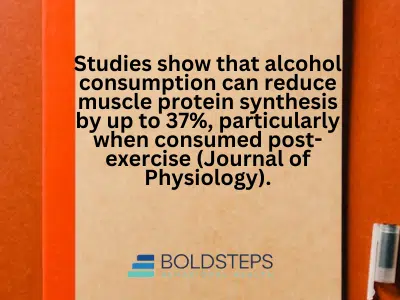
Alcohol consumption suppresses muscle protein synthesis, which is essential for repairing and building muscle tissue. Research shows that alcohol can decrease protein synthesis by up to 37% when consumed after a workout. This reduction delays recovery and limits muscle growth.
2. Disrupts Hormonal Balance
- Testosterone:
Testosterone is a key hormone for muscle growth, and alcohol consumption significantly lowers its levels. Chronic alcohol use can lead to long-term reductions in testosterone, impacting strength and recovery. - Cortisol:
Alcohol increases cortisol, a stress hormone that promotes muscle breakdown. Elevated cortisol levels counteract the muscle-building effects of testosterone and other growth hormones.
3. Impairs Recovery
Recovery is crucial for muscle repair, but alcohol disrupts sleep patterns, reducing the amount of deep, restorative sleep necessary for recovery. Poor sleep quality affects energy levels, cognitive function, and workout performance.
4. Causes Dehydration
Alcohol is a diuretic, meaning it increases urine production and causes dehydration. Dehydration negatively impacts muscle function, reduces endurance, and increases the risk of cramps and injuries.
5. Increases Fat Storage
When alcohol is consumed, the body prioritizes metabolizing alcohol over other macronutrients like fats and carbohydrates. This process reduces fat oxidation and promotes fat storage, particularly in the abdominal region.
6. Impacts Nutrition
Alcohol provides 7 calories per gram, making it calorie-dense but nutrient-poor. Excessive drinking often leads to poor food choices, nutrient deficiencies, and an inability to maintain a balanced diet, all of which are essential for muscle growth.
The Long-Term Effects of Alcohol on Fitness
Chronic alcohol use doesn’t just hinder short-term progress—it can lead to long-term health consequences that make achieving fitness goals even more difficult.
1. Muscle Wasting (Sarcopenia):
Prolonged alcohol use accelerates muscle wasting, reducing strength and endurance over time.
2. Weakened Immune System:
Alcohol suppresses immune function, making it harder to recover from injuries or illnesses.
3. Bone Health:
Excessive alcohol consumption weakens bones and increases the risk of fractures and osteoporosis.
4. Mental Health and Motivation:
Alcohol use can lead to depression, anxiety, and reduced motivation, all of which negatively impact consistency in training and adherence to fitness goals.
Balancing Alcohol and Fitness Goals
For fitness enthusiasts, achieving goals often requires careful consideration of diet, exercise, and recovery routines. Alcohol consumption, even in moderation, can disrupt this balance by impairing muscle recovery, reducing strength gains, and adding empty calories. However, for individuals who choose to drink, there are strategies to mitigate its impact on fitness goals without sacrificing progress entirely.
1. Moderation is Key
- Follow Drinking Guidelines: Stick to moderate drinking limits—up to one drink per day for women and two drinks per day for men.
- Limit Frequency: Reducing how often you drink can minimize alcohol’s long-term effects on your fitness progress.
2. Time Your Alcohol Consumption
- Avoid Post-Workout Drinking: Consuming alcohol immediately after a workout disrupts protein synthesis, which is critical for muscle repair and growth. Allow several hours after exercise before drinking.
- Plan Alcohol-Free Days: Reserve certain days for focused training, recovery, and nutrition without alcohol.
3. Stay Hydrated
- Alcohol is a diuretic that increases fluid loss, leading to dehydration, which can hinder muscle function and recovery.
- Drink water before, during, and after alcohol consumption to stay hydrated and reduce hangover symptoms.
4. Choose Nutrient-Dense Options
- Opt for lower-calorie drinks like light beer or wine, and avoid sugary cocktails.
- Pair alcohol with healthy meals to ensure your body receives essential nutrients for recovery and muscle maintenance.
5. Prioritize Recovery
- Get Enough Sleep: Alcohol disrupts sleep quality, particularly the deep sleep necessary for muscle repair. Ensure you have restful nights to offset occasional drinking.
- Replenish Nutrients: Include foods rich in protein, vitamins, and minerals in your post-drinking meals to support recovery.
6. Monitor Your Progress
- Track your workouts, body composition, and energy levels. If alcohol is negatively impacting your performance or results, consider reducing your intake further or eliminating it entirely.
When Alcohol Becomes a Problem
While occasional drinking may not significantly hinder fitness progress, frequent or excessive alcohol use can lead to more serious health and lifestyle challenges. Recognizing when alcohol consumption transitions from occasional indulgence to a problematic habit is critical for long-term health and well-being.
Signs That Alcohol May Be a Problem
- Interference with Daily Life:
- Alcohol use begins to disrupt work, relationships, or fitness routines.
- Hangovers become a regular occurrence, impacting productivity and energy.
- Increased Tolerance:
- Needing to drink more to achieve the same effects can signal the development of alcohol dependency.
- Difficulty Controlling Intake:
- Finding it hard to stop drinking once you’ve started or consistently exceeding planned limits.
- Using Alcohol to Cope:
- Turning to alcohol to manage stress, anxiety, or emotional struggles can lead to dependency over time.
- Declining Physical Health:
- Experiencing weight gain, reduced muscle mass, frequent injuries, or chronic dehydration due to alcohol use.
- Withdrawal Symptoms:
- Feeling irritable, shaky, or anxious when not drinking may indicate physical dependency.
The Long-Term Impact of Problematic Alcohol Use on Fitness
- Chronic Fatigue: Poor sleep quality and reduced energy levels make it difficult to maintain consistent exercise routines.
- Muscle Wasting: Elevated cortisol levels and suppressed testosterone can lead to long-term muscle loss.
- Increased Injury Risk: Alcohol impairs coordination and recovery, raising the risk of accidents and training injuries.
- Mental Health Challenges: Depression, anxiety, and reduced motivation can prevent individuals from sticking to fitness plans.
How Bold Steps Behavioral Health Can Help
At Bold Steps Behavioral Health, we provide evidence-based treatment for individuals struggling with alcohol dependency. Our programs are designed to address both the physical and emotional aspects of alcohol use, helping clients build healthier habits and achieve their personal goals.
Treatment Options for Alcohol Dependency
1. Alcohol Detox Center
Detox is the first step in recovery, helping individuals safely withdraw from alcohol under medical supervision.
- 24/7 Monitoring: Ensures safety and comfort during withdrawal.
- Symptom Management: Medications and therapies reduce discomfort.
2. Alcohol Addiction Treatment Program
Our program addresses the root causes of alcohol dependency and equips clients with tools for long-term recovery.
- Individual Therapy: Focuses on understanding triggers and developing healthier coping mechanisms.
- Group Therapy: Builds a supportive community of peers navigating similar challenges.
3. Partial Hospitalization Program (PHP)
PHP provides structured care during the day, allowing clients to return home in the evening.
4. Intensive Outpatient Program (IOP)
Our IOP offers flexibility for those balancing work, school, or family responsibilities while receiving comprehensive treatment.
5. Outpatient Treatment Program
Our Outpatient Treatment Program offers continued support and relapse prevention strategies for individuals in later stages of recovery.
Achieving True Health and Fitness
While alcohol may provide temporary relaxation or social enjoyment, its long-term effects on fitness and health are far from negligible. Limiting or eliminating alcohol consumption can significantly improve muscle growth, recovery, and overall well-being. For those struggling with alcohol dependency, professional treatment is the first step toward reclaiming physical and mental health.
At Bold Steps Behavioral Health, we are here to support you every step of the way. Whether you need a Drug Detox Center, Alcohol Addiction Treatment Program, or outpatient care, our team is dedicated to helping you achieve your goals.
Take the first bold step today—contact us at (717) 896-1880 to learn more about our programs and start your journey to a healthier, alcohol-free life.
FAQ on Alcohol Affects Muscle Growth
How does alcohol affect muscle growth?
Alcohol impairs muscle growth by reducing protein synthesis, disrupting hormonal balance, causing dehydration, and interfering with recovery processes like sleep and nutrient absorption.
Can I drink alcohol and still build muscle?
While occasional moderate drinking may not significantly impact muscle growth, frequent or excessive drinking can hinder progress. Limiting alcohol intake and timing consumption away from workouts can help reduce its effects.
Why does alcohol cause muscle loss?
Chronic alcohol use increases cortisol levels, a hormone that promotes muscle breakdown, while decreasing testosterone, which is essential for muscle repair and growth.
What are the long-term effects of alcohol on fitness?
Long-term alcohol use can lead to muscle wasting, weakened bones, a suppressed immune system, and reduced motivation, all of which negatively impact fitness and overall health.
How can Bold Steps Behavioral Health help with alcohol dependency?
We offer comprehensive treatment options, including Alcohol Detox Centers, Alcohol Addiction Treatment Programs, and outpatient care, to help individuals overcome alcohol dependency and achieve their health and fitness goals.