

Quitting alcohol can be one of the most transformative decisions you make for your health and overall well-being. Whether you are dealing with alcohol dependency or simply reassessing your drinking habits, stopping alcohol consumption offers profound physical, mental, and emotional benefits. This decision isn’t just about abstaining from alcohol—it’s about creating a healthier, more fulfilling lifestyle.
At Bold Steps Behavioral Health, we support individuals on their journey to sobriety through a variety of comprehensive programs, including Alcohol Addiction Treatment, access to a Medical Detox Center, and continuing care through our Partial Hospitalization Program (PHP), Intensive Outpatient Program (IOP), and Outpatient Treatment Program. In this guide, we’ll explore in detail the extensive benefits of quitting alcohol and how professional treatment can ensure lasting recovery.
Physical Health Benefits of Quitting Alcohol
1. Improved Liver Health
Alcohol places significant strain on the liver, leading to conditions such as fatty liver, hepatitis, and cirrhosis. Quitting alcohol gives your liver a chance to heal, allowing it to efficiently process toxins and perform vital functions.
- Short-Term Benefits:
- Within weeks, the liver begins repairing itself, reducing inflammation and fat buildup.
- Liver enzyme levels start to normalize, and symptoms of alcohol-related liver damage, such as jaundice, may subside.
- Long-Term Benefits:
- The risk of developing serious liver diseases like cirrhosis decreases significantly.
2. Cardiovascular Health Improvements
Excessive alcohol use is a major risk factor for high blood pressure, heart disease, and arrhythmias. Quitting alcohol can drastically reduce these risks.
- What Changes to Expect:
- Blood pressure stabilizes within a few weeks of quitting alcohol.
- The risk of developing cardiovascular complications, such as heart attacks and strokes, decreases.
3. Enhanced Immune Function
Alcohol weakens the immune system, making the body more susceptible to infections. By eliminating alcohol, your immune response strengthens, improving your body’s ability to fight off illnesses.
- Visible Effects:
- Fewer occurrences of colds and infections.
- Enhanced recovery from injuries and illnesses.
4. Weight Management
Alcohol is calorie-dense and can disrupt your metabolism. By quitting, many individuals experience significant weight loss and an overall healthier body composition.
- Benefits Over Time:
- Reduction in bloating and improved digestion.
- Better control over appetite and fewer cravings for unhealthy foods.
5. Restored Energy Levels
Alcohol consumption often depletes your body’s energy reserves. Quitting allows your body to restore its natural energy levels, leaving you feeling more alert and productive.
Mental Health Benefits of Quitting Alcohol
1. Increased Mental Clarity and Focus
Alcohol impairs brain function, leading to forgetfulness, difficulty concentrating, and poor decision-making. Quitting alcohol allows the brain to recover, improving cognitive function.
- Short-Term Effects:
- Improved memory and sharper focus within weeks.
- Increased productivity and better problem-solving skills.
- Long-Term Effects:
- Reduced risk of alcohol-related cognitive decline, including memory disorders like Wernicke-Korsakoff syndrome.
2. Emotional Stability
Alcohol often exacerbates anxiety and depression. Removing alcohol from your life can significantly stabilize mood and improve emotional health.
- Positive Changes:
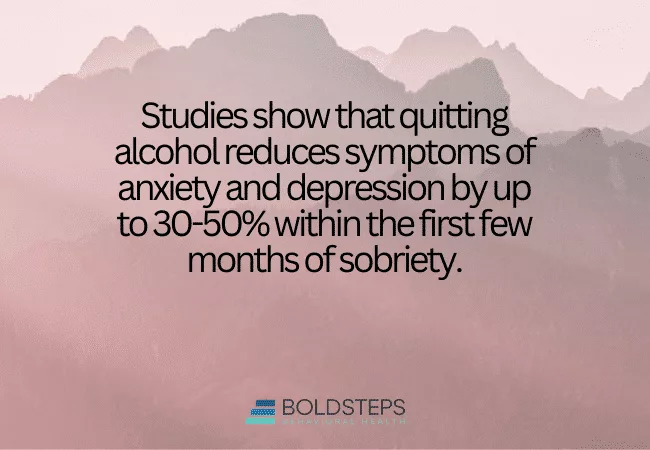
- Reduced symptoms of anxiety and depression.
- Improved ability to handle stress without relying on substances.
3. Restful Sleep
While alcohol may initially help you fall asleep, it disrupts deep REM sleep, leaving you feeling fatigued. Quitting alcohol restores natural sleep patterns, leading to better rest.
- Sleep Benefits:
- Deeper, more restorative sleep cycles.
- Increased energy and alertness during the day.
4. Reduced Risk of Mental Health Conditions
Long-term alcohol use is associated with an increased risk of developing mental health conditions like depression and anxiety disorders. Quitting alcohol lowers this risk and improves overall emotional well-being.
Social and Emotional Benefits of Quitting Alcohol
1. Rebuilding Relationships
Alcohol misuse can strain personal and professional relationships. Quitting alcohol allows you to rebuild trust and foster deeper connections with those around you.
- Positive Changes:
- Improved communication skills and emotional availability.
- Greater ability to nurture healthy and supportive relationships.
2. Increased Self-Esteem and Confidence
Quitting alcohol is a significant accomplishment that boosts self-worth and confidence. It empowers individuals to take control of their lives and pursue personal goals.
- Psychological Benefits:
- Enhanced self-image and self-respect.
- A sense of pride in overcoming challenges.
3. Financial Freedom
Alcohol consumption can be costly, both in terms of the substance itself and related expenses like healthcare, legal fees, or missed work. Quitting alcohol provides financial relief.
- What to Expect:
- Savings from reduced alcohol spending.
- Greater ability to invest in meaningful pursuits, such as hobbies, education, or travel.
The Decision to Quit Alcohol
Deciding to quit alcohol is a powerful and life-changing choice. For many, it’s a decision fueled by a desire to improve health, rebuild relationships, or regain control over their life. Whether you’ve recognized problematic drinking patterns or want to embrace a healthier lifestyle, committing to sobriety is a courageous first step.
Why the Decision Matters
- Alcohol consumption, especially in excess, impacts physical health, mental well-being, and personal relationships.
- Taking action to quit alcohol can lead to profound improvements in every area of life, from physical vitality to emotional resilience and social connections.
The decision to quit is not about deprivation—it’s about choosing a brighter, healthier future.
Reasons to Consider Quitting Alcohol
Quitting alcohol offers a wide range of benefits, whether you are addressing dependency or reassessing your relationship with drinking. Here are some common reasons people choose to quit alcohol:
1. Improve Physical Health
Excessive drinking can lead to liver damage, heart disease, weakened immunity, and digestive problems. Quitting alcohol allows the body to heal and reduces the risk of long-term health complications.
2. Enhance Mental Clarity
Alcohol impairs cognitive function and can exacerbate anxiety, depression, and mood swings. By quitting, you can experience improved focus, better decision-making, and greater emotional stability.
3. Strengthen Relationships
Alcohol misuse often causes strain in personal and professional relationships. Choosing sobriety can help rebuild trust, improve communication, and deepen connections with loved ones.
4. Financial Benefits
Drinking alcohol can be expensive, especially when factoring in associated costs like medical care or legal issues. Quitting alcohol frees up resources for meaningful pursuits, such as travel, education, or hobbies.
5. Reclaim Control
For individuals struggling with alcohol dependence, quitting restores a sense of autonomy and empowerment. It allows you to live intentionally and break free from the cycle of addiction.
6. Personal Growth
Sobriety creates opportunities for self-discovery, goal achievement, and living in alignment with your values.
Tips for Quitting Alcohol
Quitting alcohol can be challenging, but with the right strategies and support, it’s achievable. Here are some practical tips to help you succeed:
1. Set Clear Goals
- Define why you want to quit alcohol and what you hope to achieve.
- Write down your goals and keep them visible to stay motivated.
2. Seek Professional Support
- Enroll in a structured program, such as the Partial Hospitalization Program or Intensive Outpatient Program at Bold Steps Behavioral Health.
- Professional support ensures safety during detox and provides tools to manage cravings and triggers.
3. Build a Support System
- Share your decision with trusted friends and family who will encourage you.
- Join support groups like Alcoholics Anonymous (AA) to connect with others who understand your journey.
4. Identify and Avoid Triggers
- Recognize situations, people, or emotions that tempt you to drink.
- Develop alternative strategies, such as practicing mindfulness, exercising, or engaging in a hobby.
5. Replace Drinking with Healthy Habits
- Incorporate positive activities into your routine, such as regular exercise, meditation, or cooking nutritious meals.
- Find alcohol-free alternatives, such as herbal teas or mocktails, to replace the ritual of drinking.
6. Take It One Day at a Time
- Focus on staying sober for today rather than worrying about the long-term.
- Celebrate small victories to build confidence and momentum.
7. Be Patient with Yourself
- Recovery is a process, and setbacks can happen.
- Approach challenges with self-compassion and use them as learning opportunities.
8. Commit to Aftercare
- Long-term sobriety requires ongoing support and care.
- Participate in an Outpatient Treatment Program or regular therapy to maintain progress and prevent relapse.
How Professional Treatment Supports Quitting Alcohol
Quitting alcohol, especially for those with dependence or addiction, can be challenging. Professional treatment provides the tools, support, and structure necessary to ensure a safe and successful transition to sobriety.
1. Safe and Supervised Detoxification
For individuals with alcohol dependence, withdrawal symptoms can range from uncomfortable to life-threatening. Medically supervised detox at our Medical Detox Center ensures safety and comfort.
- Benefits of Professional Detox:
- 24/7 monitoring and medical intervention for severe withdrawal symptoms like seizures or delirium tremens.
- A stable foundation for continuing treatment.
2. Structured Addiction Treatment Programs
At Bold Steps Behavioral Health, we offer personalized care tailored to each individual’s needs. Our programs include:
- Partial Hospitalization Program (PHP): Intensive day treatment that combines therapy, group support, and medical care.
- Intensive Outpatient Program (IOP): Flexible care for individuals balancing recovery with work or family responsibilities.
- Outpatient Treatment Program: Ongoing support and therapy to maintain progress.
3. Holistic Support and Aftercare
Recovery is a lifelong journey, and aftercare is essential for maintaining sobriety. Our programs focus on relapse prevention, life skills, and building a supportive community.
- Key Elements of Our Approach:
- Evidence-based therapies, such as CBT and DBT.
- Family counseling to repair relationships.
- Holistic practices, including mindfulness and fitness.
Take the Bold Step Toward Sobriety
Quitting alcohol offers transformative health benefits, from enhanced physical well-being to improved emotional stability and stronger relationships. At Bold Steps Behavioral Health, we’re here to guide you through every step of the process, offering compassionate, evidence-based care to help you achieve lasting recovery.
Contact us today to learn more about our programs, including Alcohol Addiction Treatment, Drug Detox Center, and ongoing support through Intensive Outpatient Programs. Your brighter, alcohol-free future begins with one bold step. Take the first step toward recovery and contact us at (717) 896-1880 today.
FAQ on Health Benefits of Quitting Alcohol
Why should I consider quitting alcohol?
Quitting alcohol offers numerous benefits, including improved physical health, enhanced mental clarity, better relationships, financial savings, and a sense of control over your life.
What are the health benefits of quitting alcohol?
Quitting alcohol improves liver function, cardiovascular health, sleep quality, immune function, and cognitive abilities. It also reduces the risk of long-term health issues like liver disease and heart problems.
How can I successfully quit alcohol?
Set clear goals, build a support system, seek professional treatment, identify triggers, and replace drinking with healthy habits like exercise or mindfulness practices.
What support is available for quitting alcohol?
Programs like the Partial Hospitalization Program, Intensive Outpatient Program, and Outpatient Treatment Program at Bold Steps Behavioral Health provide structured support, therapy, and relapse prevention strategies.
How do I handle cravings or triggers?
Recognize and avoid high-risk situations, practice stress management techniques like deep breathing or meditation, and reach out to a trusted support system when cravings arise.
What should I do if I experience withdrawal symptoms?
Seek help from a Medical Detox Center or Alcohol Detox Center, where professionals can manage withdrawal symptoms safely and provide the care needed to stabilize your recovery journey.
How can Bold Steps Behavioral Health help me quit alcohol?
We offer evidence-based programs, including detox services and ongoing care, to support every step of your recovery. Our team provides a compassionate and individualized approach to ensure your success.