
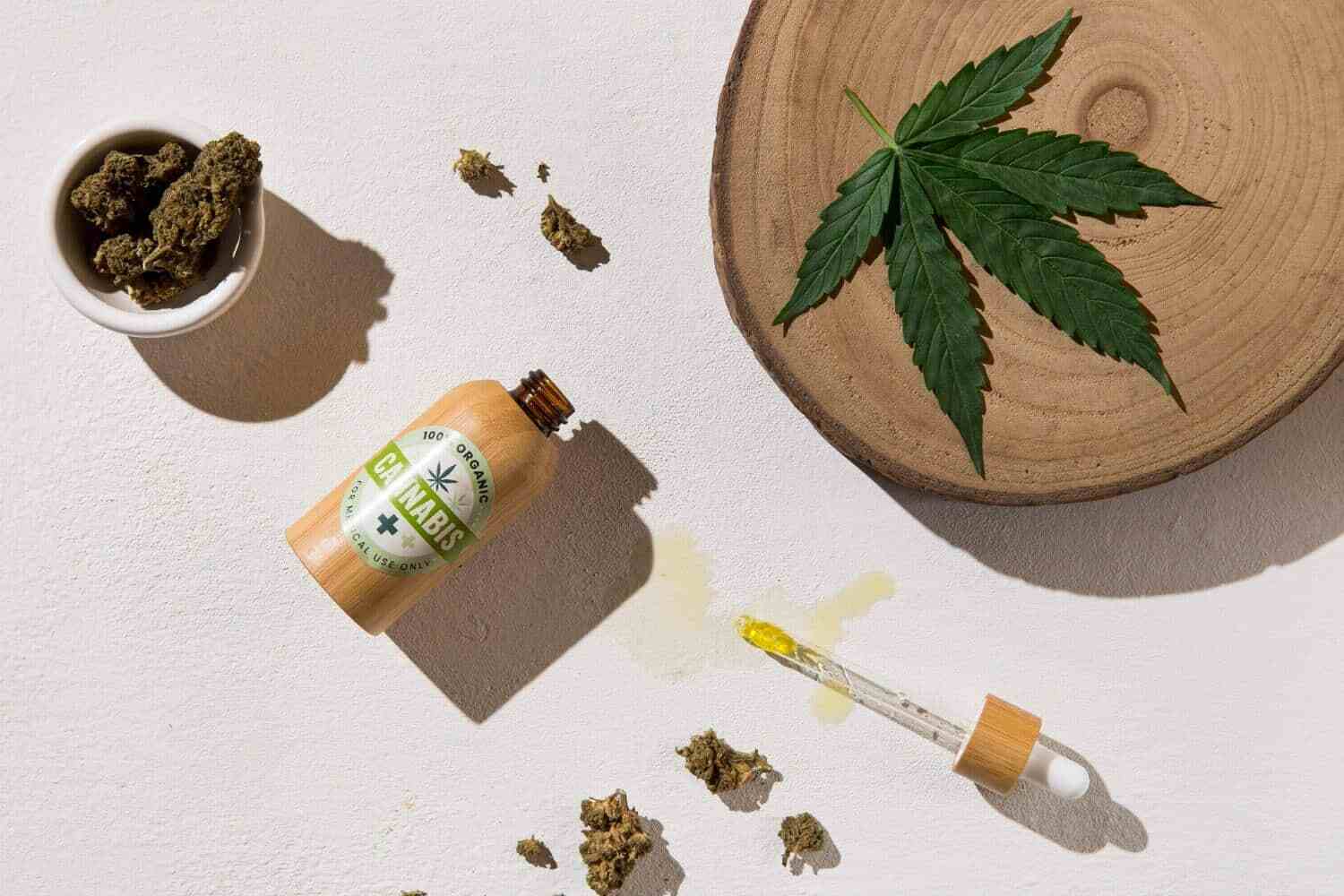
With the increasing popularity and availability of cannabis and its various strains, more and more people have been using it for medicinal and recreational purposes. However, with prolonged use and over-consumption of the psychoactive substance, some users tend to develop an addiction to THC. While there are conflicting views about the effects of its use and whether it is harmful, developing a dependency on it can certainly be challenging and concerning. For psychoactive drugs, THC or narcotics alike, dealing with withdrawal and its symptoms can be a tedious task. There are several addiction treatment programs particularly designed for patients with THC addiction.
What factors affect your marijuana addiction withdrawal treatments?
Every addiction and patient’s condition are different and so are the effects and circumstances of how their body reacts to it. Most marijuana addiction treatment programs offered by rehab centers like Bold Steps Behavioural Health and others are personalized and structured to patient needs. So, as you recover from THC addiction and go through withdrawal, you need to account for various aspects.
Frequency, amount and duration of substance use
Withdrawal as a medical process is a body’s reaction to changes as it accustoms to the lack of presence of THC. This is often coupled with the detoxification phase where through medical or non-medical procedures, the body is rid of accumulated toxins. So, depending on how long and how heavily you used THC, the withdrawal experience can be as intense and prolonged.
Medical preconditions and mental health
An individual’s medical situation and mental health condition play a key role in how the treatment is administered. For patients with any pre-existing complications or having a dual diagnosis of mental health disorders, the doctors may adapt the treatment accordingly.
Timelines for withdrawal
Depending on the type of treatment option you consider, in-patient or outpatient treatment program, the intensity and timeframe may vary. Usually, within the first 4-10 days of the withdrawal phase, patients tend to experience peak withdrawal symptoms. While in the latter half of the 15-30 day period, they begin to feel subsiding and any residual symptoms.
How can you manage and stay healthy during withdrawal?
Over the past couple of years, the demand for outpatient and partial hospitalization program for addiction treatments has grown quite a bit. The flexibility and provision to stay within the routine environment help patients adapt and transition from addiction recovery quite smoothly.
So, while you are going through withdrawal and treating yourself for THC addiction, you can practice some healthy activities to make your recovery comfortable.
Maintaining a healthy lifestyle and making conscious decisions
As you work your way through addiction recovery, make sure to make mindful decisions and avoid any substance urges. To recover and improve your health, you need to be committed to your progress.
Keeping your triggers and emotions in check
Avoid putting yourself in situations that may trigger THC urges and also monitor your emotions and routine for any potential circumstances that make you want to use THC.
Stay hydrated and eat well
Keeping yourself hydrated and maintaining a healthy diet can help your body recover from withdrawal more easily and keep up with your nutritional needs.
Seek support and communicate your concerns
Whenever you struggle with any situation or need help, do not hesitate to seek professional health or join a support group. Having a reliable support network can make a big difference.
Bold Steps Behavioural Health various addiction recovery treatments and intensive outpatient program are focused on providing reliable care for recovering patients. If you have any queries or are looking for any assistance regarding THC addiction withdrawals and recovery, contact our team.
FAQs on How Long Does THC Withdrawal Last?
How long does marijuana withdrawal typically last?
Marijuana withdrawal symptoms usually begin within 1-3 days after cessation and can last from 1 to 2 weeks. The duration and intensity of withdrawal can vary depending on factors such as the frequency of use, amount used, and individual differences.
What are the common symptoms of marijuana withdrawal?
Common symptoms include irritability, anxiety, insomnia, decreased appetite, mood swings, and cravings for marijuana. Some people may also experience physical symptoms such as headaches or stomach discomfort.
Are withdrawal symptoms from marijuana dangerous?
While marijuana withdrawal symptoms are generally not life-threatening, they can be uncomfortable and challenging to manage. In severe cases, withdrawal can exacerbate underlying mental health issues. It’s important to seek support from a healthcare professional if symptoms are severe or persistent.
How can therapy help with marijuana withdrawal?
Therapy can help individuals manage withdrawal symptoms by providing coping strategies, addressing underlying psychological issues, and offering support throughout the recovery process. Cognitive Behavioral Therapy (CBT) and other therapeutic approaches can be particularly effective.
What services does Bold Steps offer for managing THC withdrawal?
Bold Steps Behavioral Health provides comprehensive addiction recovery treatments support for managing THC withdrawal, including individualized therapy, counselling, and support groups. Our services are designed to help clients navigate withdrawal symptoms and achieve lasting recovery.
What types of therapy are available at Bold Steps for marijuana withdrawal?
Bold Steps Behavioral Health offers various marijuana addiction treatment approaches, including Cognitive Behavioral Therapy (CBT), mindfulness-based therapies, and support groups. These therapies aim to address withdrawal symptoms and underlying issues related to marijuana use.
How can I contact Bold Steps Behavioral Health for more information or to start treatment?
You can contact Bold Steps Behavioral Health by phone at 717.896.1880 or fill the contact form to request more information or schedule an appointment. Our team is available to assist you with any questions and guide you through the treatment process.