

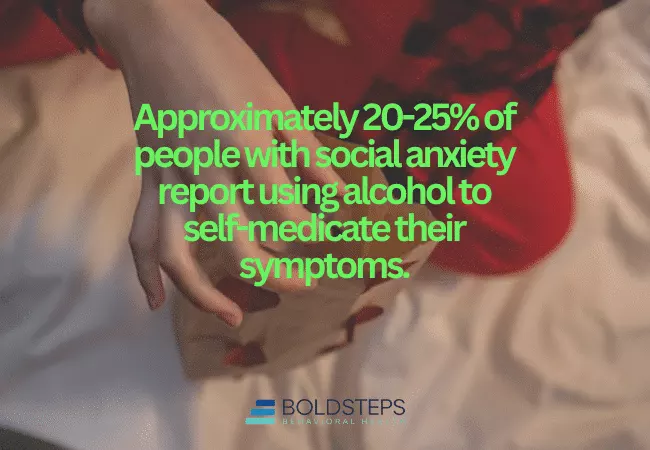
Social anxiety is a deeply challenging mental health condition that affects millions of individuals worldwide. For many, alcohol becomes a go-to coping mechanism to manage the overwhelming fear and discomfort that social interactions bring. While alcohol may provide temporary relief, its misuse can lead to dependency, worsening both social anxiety and overall mental health.
At Bold Steps Behavioral Health, we understand the intricate connection between social anxiety and alcohol addiction. Through our comprehensive programs, including the Alcohol Addiction Treatment Program, Anxiety Disorder Treatment, and various levels of care, we help individuals break free from this cycle and achieve long-lasting recovery.
What is Social Anxiety Disorder?
Social Anxiety Disorder, or social phobia, is a condition characterized by an intense fear of being judged, humiliated, or rejected in social or performance situations. This fear often leads to avoidance of social interactions, which can affect relationships, career opportunities, and quality of life.
What are the Symptoms of Social Anxiety?
Social anxiety, or social phobia, manifests in various emotional, physical, and behavioral symptoms that can significantly interfere with daily life. Individuals with social anxiety often experience intense fear or discomfort in social situations, which can lead to avoidance and isolation.
Common Symptoms of Social Anxiety:
- Emotional Symptoms:
- Intense fear of being judged, embarrassed, or humiliated in social settings.
- Excessive worry about upcoming social interactions, often days or weeks in advance.
- Overwhelming self-consciousness and hyperawareness of how others perceive them.
- Physical Symptoms:
- Sweating, shaking, or trembling.
- Rapid heartbeat or palpitations.
- Nausea, stomachaches, or a “knot in the stomach.”
- Blushing or feeling hot in social situations.
- Behavioral Symptoms:
- Avoiding social interactions or specific situations (e.g., public speaking or meeting new people).
- Difficulty making eye contact or speaking in groups.
- Using alcohol or other substances as a coping mechanism to “ease” anxiety.
Social anxiety often goes unnoticed or untreated, as individuals may dismiss their symptoms as “shyness” or personal flaws. However, untreated social anxiety can significantly impair daily functioning.
Why Do People with Social Anxiety Turn to Alcohol?
Alcohol is a depressant that reduces inhibitions, making it easier for individuals to navigate anxiety-provoking situations temporarily. For someone with social anxiety, alcohol can feel like a quick solution to ease discomfort and foster confidence in social settings. However, this short-term relief often comes at a cost.
How Alcohol Becomes a Crutch:
- Temporary Relief: Alcohol dulls the fear and self-consciousness associated with social anxiety, making social interactions seem more manageable.
- Positive Reinforcement: If drinking makes socializing easier, individuals may begin to rely on alcohol as a coping mechanism.
- Tolerance and Dependence: Over time, the body builds tolerance to alcohol, requiring larger amounts to achieve the same calming effect. This increases the risk of dependence and addiction.
The Dangerous Cycle of Social Anxiety and Alcohol
Step 1: Using Alcohol to Cope
Individuals with social anxiety often use alcohol as a tool to “get through” social events. They may feel more relaxed and confident while drinking, reinforcing the belief that alcohol is essential for managing anxiety.
Step 2: Increased Anxiety
While alcohol may initially reduce anxiety, its effects wear off, leading to “rebound anxiety.” This heightened anxiety, coupled with feelings of guilt or shame over drinking, can intensify social fears.
Step 3: Dependency
As tolerance to alcohol builds, individuals may start drinking more frequently or in larger amounts to achieve the same relief. This can lead to physical and psychological dependence, making it harder to face social situations without alcohol.
Step 4: Isolation
Over-reliance on alcohol often results in avoidance of social interactions that don’t involve drinking. This can lead to further isolation, depression, and a deeper dependence on alcohol to cope.
Risks of Self-Medicating with Alcohol
Using alcohol to self-medicate social anxiety can have severe physical, emotional, and social consequences.
1. Worsening Anxiety
- Alcohol disrupts the brain’s natural balance of neurotransmitters, leading to increased anxiety levels over time.
- Rebound anxiety after drinking exacerbates social fears, creating a vicious cycle.
2. Physical Health Risks
- Long-term alcohol use can cause liver damage, cardiovascular issues, and weakened immune function.
- Heavy drinking increases the risk of chronic illnesses such as high blood pressure and neurological disorders.
3. Addiction Development
- Individuals with social anxiety are 2-3 times more likely to develop alcohol dependence compared to the general population.
- Alcohol addiction complicates treatment for social anxiety, as both conditions must be addressed simultaneously.
4. Strained Relationships
- Dependence on alcohol to navigate social situations can lead to strained relationships and loss of trust.
- Social isolation and avoidance of sober interactions further damage personal and professional connections.
What are the Diagnostic Criteria for Determining Social Anxiety?
To diagnose Social Anxiety Disorder, mental health professionals refer to the criteria outlined in the Diagnostic and Statistical Manual of Mental Disorders (DSM-5).
DSM-5 Diagnostic Criteria for Social Anxiety:
- Excessive Fear or Anxiety: Marked and persistent fear of one or more social situations in which the individual is exposed to potential scrutiny by others (e.g., speaking, eating, or performing in public).
- Fear of Negative Evaluation: Intense worry about being humiliated, judged, or rejected by others.
- Avoidance Behavior: Social situations are actively avoided or endured with extreme distress.
- Duration of Symptoms: The fear or anxiety persists for at least six months and is disproportionate to the actual threat posed by the social situation.
- Impact on Functioning: The anxiety significantly interferes with daily life, including work, school, or relationships.
- Exclusion of Other Causes: Symptoms are not better explained by another mental health condition, substance use, or a medical disorder.
What is the Connection Between Social Anxiety and Alcoholism?
The relationship between social anxiety and alcoholism is both significant and cyclical. Many individuals with social anxiety turn to alcohol as a way to cope with their fears, leading to an increased risk of alcohol dependence.
Key Connections:
- Alcohol as a Coping Mechanism:
- Individuals with social anxiety often use alcohol to reduce nervousness or boost confidence in social situations.
- The short-term calming effects of alcohol reinforce its use, creating a dependency.
- Increased Risk of Alcohol Dependence:
- Studies show that individuals with social anxiety are 2-3 times more likely to develop Alcohol Use Disorder (AUD).
- Over time, reliance on alcohol worsens both anxiety and overall mental health.
- The Cycle of Rebound Anxiety:
- Alcohol disrupts neurotransmitter balance in the brain. When its effects wear off, individuals often experience “rebound anxiety,” a heightened form of anxiety that makes social interactions even more difficult.
- Avoidance and Isolation:
- Dependence on alcohol can lead to avoidance of non-drinking social situations, resulting in increased isolation and further deepening social fears.
How is Social Anxiety and Alcohol Addiction Treated?
Treating social anxiety and alcohol addiction requires an integrated approach that addresses both conditions simultaneously. This type of care, often referred to as dual-diagnosis treatment, is essential for breaking the cycle of dependence and anxiety.
1. Alcohol Detox and Addiction Treatment
- Alcohol Detox Center: The first step is medically supervised detoxification to safely manage withdrawal symptoms and prepare for ongoing treatment.
- Alcohol Addiction Treatment Program: Comprehensive care that includes therapy, group support, and relapse prevention strategies.
2. Anxiety Disorder Treatment
- Cognitive Behavioral Therapy (CBT): Helps individuals identify and challenge negative thought patterns that contribute to social anxiety.
- Exposure Therapy: Gradual exposure to anxiety-provoking situations helps reduce fear over time.
- Mindfulness and Relaxation Techniques: Teach individuals how to manage anxiety through practices like deep breathing, meditation, and progressive muscle relaxation.
3. Integrated Mental Health Treatment
- Dual-Diagnosis Treatment: Focuses on addressing the connection between social anxiety and alcohol addiction to promote lasting recovery.
- Medication Management: In some cases, medications like selective serotonin reuptake inhibitors (SSRIs) may be prescribed to help manage symptoms of social anxiety.
4. Comprehensive Levels of Care
- Partial Hospitalization Program (PHP): A structured program providing intensive therapy and medical care during the day.
- Intensive Outpatient Program (IOP): Offers flexibility for individuals balancing recovery with personal responsibilities.
- Outpatient Treatment Program: Provides continued therapy and support as individuals transition back into daily life.
5. Group Therapy and Peer Support
- Group Therapy: Offers a supportive environment to practice social skills and build confidence in interacting with others.
- Support Groups: Peer-led groups like Alcoholics Anonymous (AA) provide encouragement and accountability during recovery.
Treating Social Anxiety and Alcohol Dependence Together
The connection between social anxiety and alcohol dependence requires an integrated treatment approach. At Bold Steps Behavioral Health, we offer a range of evidence-based therapies and holistic support to help individuals address both conditions simultaneously.
1. Alcohol Detoxification
The first step in recovery is detoxification to address physical dependence on alcohol. Our Alcohol Detox Center provides a safe, medically supervised environment to manage withdrawal symptoms and prepare individuals for ongoing treatment.
2. Comprehensive Addiction Treatment
Our Alcohol Addiction Treatment Program combines evidence-based therapies with supportive care to address the root causes of addiction. Key components include:
- Behavioral Therapies: Techniques like Cognitive Behavioral Therapy (CBT) and Dialectical Behavior Therapy (DBT) help individuals identify and change patterns of thinking that contribute to addiction and anxiety.
- Group Therapy: Provides a supportive environment where individuals can share experiences and develop social confidence.
3. Targeted Anxiety Disorder Treatment
Overcoming social anxiety requires targeted strategies to manage fear and build resilience. Our Anxiety Disorder Treatment focuses on:
- Identifying triggers that lead to anxiety.
- Teaching practical coping mechanisms, such as mindfulness and breathing exercises.
- Building social skills through role-playing and exposure therapy.
4. Integrated Mental Health Treatment
Co-occurring conditions like depression, which often accompany social anxiety and alcohol dependence, require comprehensive care. Our Mental Health Treatment programs provide personalized support to address all aspects of mental health.
5. Levels of Care for Long-Term Recovery
We offer a continuum of care to meet individuals where they are in their recovery journey:
- Partial Hospitalization Program (PHP): A structured program with intensive therapy and medical care during the day.
- Intensive Outpatient Program (IOP): Flexible care that allows individuals to maintain work or family responsibilities while continuing treatment.
- Outpatient Treatment Program: Ongoing therapy and support for individuals transitioning from higher levels of care.
Why Choose Bold Steps Behavioral Health?
At Bold Steps Behavioral Health, we understand the unique challenges of living with social anxiety and alcohol dependence. Our Pennsylvania-based Addiction Treatment Center offers a compassionate, evidence-based approach to help individuals achieve lasting recovery.
What Makes Us Different:
- Dual-Diagnosis Expertise: We specialize in treating co-occurring disorders like social anxiety and alcohol addiction.
- Personalized Care: Individualized treatment plans tailored to each person’s needs and goals.
- Experienced Team: Licensed therapists and medical professionals experienced in managing complex conditions.
- Holistic Approach: Combining therapy, support, and wellness strategies to promote healing on all levels.
Conclusion
Social anxiety and alcohol addiction often create a self-reinforcing cycle that can feel impossible to break. However, with the right combination of therapy, medical care, and support, recovery is within reach. At Bold Steps Behavioral Health, we offer personalized, evidence-based programs to help individuals address both conditions and build a foundation for a healthier, more confident future.
Contact us today to learn more about our Alcohol Addiction Treatment Program, Anxiety Disorder Treatment, and other services. Your journey to freedom from social anxiety and alcohol dependence starts with a bold step. Let us help you take it. Take the first step toward recovery and contact us at (717) 896-1880 today.
FAQ on Social Anxiety and Alcohol
What are the symptoms of social anxiety?
Social anxiety symptoms include intense fear of being judged, self-consciousness, avoidance of social situations, sweating, trembling, rapid heartbeat, and difficulty speaking in social settings.
What are the diagnostic criteria for social anxiety?
Social anxiety is diagnosed based on persistent fear of social situations, avoidance behaviors, significant distress or impairment in daily life, and symptoms lasting at least six months. These criteria are outlined in the DSM-5.
How does social anxiety lead to alcohol addiction?
Individuals with social anxiety often use alcohol to manage fear and discomfort in social settings. Over time, this coping mechanism can lead to dependence, as the temporary relief alcohol provides reinforces its use.
Can alcohol worsen social anxiety?
Yes, alcohol can worsen social anxiety over time. While it may temporarily reduce nervousness, it disrupts brain chemistry, leading to increased anxiety levels when not drinking. This cycle is known as rebound anxiety.
How is social anxiety and alcohol addiction treated?
Treatment involves a dual-diagnosis approach that addresses both conditions simultaneously. This includes alcohol detox, addiction therapy, anxiety treatments like CBT, exposure therapy, and integrated mental health care.
What is Dual Diagnosis Treatment, and why is it important?
Dual Diagnosis Treatment simultaneously addresses co-occurring disorders like social anxiety and alcohol addiction. It ensures that both conditions are treated effectively, reducing the risk of relapse and improving long-term outcomes.