

Generational trauma, also known as intergenerational or transgenerational trauma, is the emotional, psychological, and bodily agony that is passed down from one generation to the next. This type of trauma is unusual in that it is caused by ancestors’ unresolved pain, which influences the lives of their offspring. Individuals and communities must understand the causes, and consequences, and how to heal from them.
If you’re too interested to know about Generational Trauma in-depth, so, let’s dive into this post!
What is Generational Trauma?
Generational trauma occurs when the emotional and psychological wounds experienced by one generation are passed down to subsequent generations. These unresolved traumas can manifest in behaviors, belief systems, and even biological changes, affecting how individuals and families function.
Common forms of generational trauma include:
- Family History of Abuse: Physical, emotional, or sexual abuse can create patterns of behavior and coping mechanisms that are passed down.
- Cultural or Historical Trauma: Communities affected by war, colonization, slavery, or genocide often carry the emotional scars that influence generations to come.
- Poverty and Social Injustice: Chronic economic instability or systemic discrimination can lead to trauma that persists across generations.
Generational Trauma- An Overview!
Generational trauma occurs when the impacts of one generation’s traumatic experiences are handed down to future generations. While trauma can manifest in a variety of ways, including war, displacement, institutional oppression, poverty, and abuse, the long-term effects of these events can be passed down to children and grandchildren.
Generational trauma can be transmitted through a variety of mechanisms:
- Behavioral patterns: Trauma survivors may use coping techniques, parenting styles, or emotional responses that unknowingly pass on their misery to future generations.
- Epigenetics: Emerging research indicates that trauma can cause biological changes, notably in gene expression. These genetic modifications can be inherited, influencing how future generations react to stress and trauma.
- Cultural narratives: Trauma-influenced family stories, cultural norms, and societal behaviors can perpetuate the transmission of unresolved suffering throughout generations.
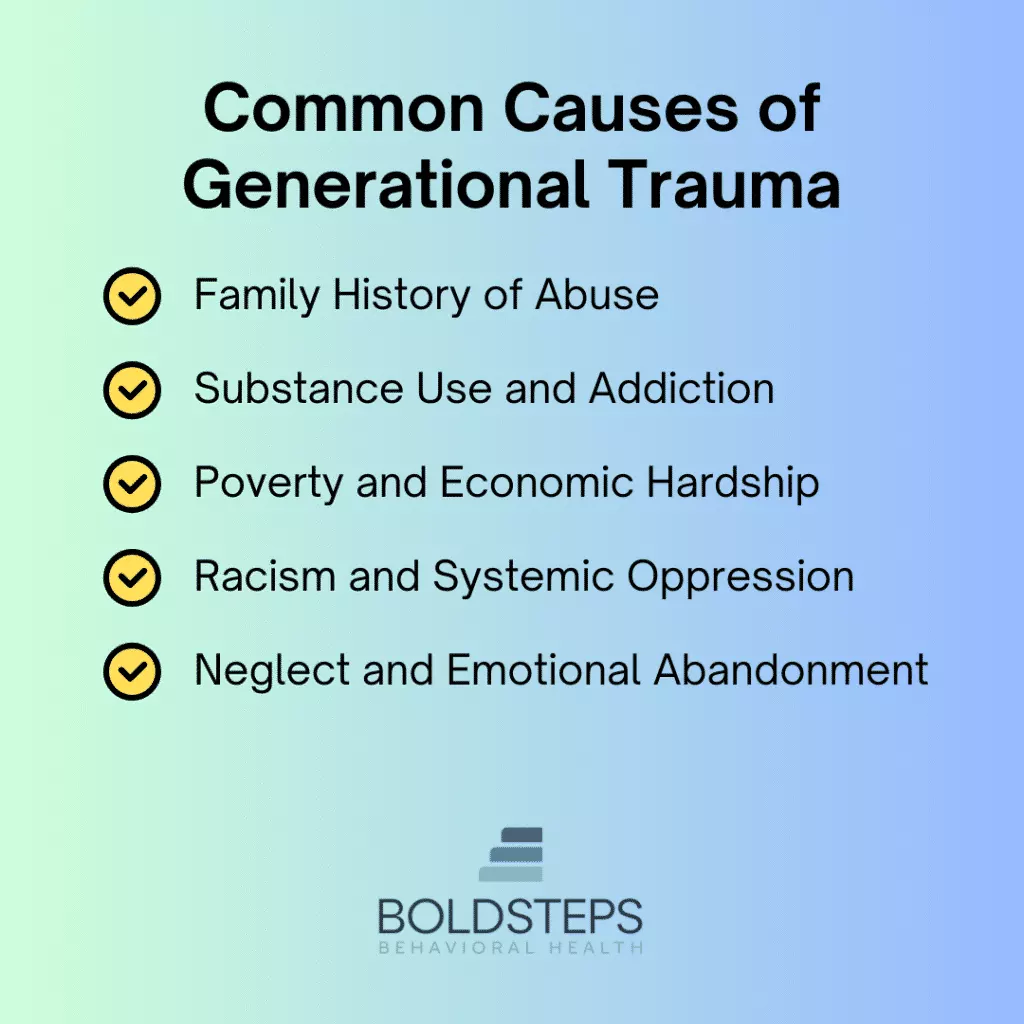
Common Causes of Generational Trauma
Several past and present events have resulted in generational trauma, deeply affecting entire populations:
- Conflict & Conflict: Families who have been through conflict frequently bear the wounds of loss, displacement, and violence. Refugees and war survivors may pass on emotional wounds associated with survival, terror, and loss.
- Systemic Racism and Oppression: Communities that have been subjected to long-term oppression, such as racial discrimination, colonization, and enslavement, may experience collective trauma. For example, African Americans, Indigenous peoples, and other oppressed groups have been subjected to generations of racial trauma, which has a long-term impact on their health.
- Mass Violence: Past crimes such as the Holocaust, the Armenian genocide, and more contemporary ethnic cleansing have had far-reaching consequences for survivors and descendants. Persecution, pain, and loss can linger for generations.
- Abuse and Neglect: Families with a history of physical, emotional, or sexual abuse may see these painful patterns pass down through generations. Children of traumatized parents may inherit both emotional scars and dysfunctional tendencies.
The Impact of Generational Trauma
Generational trauma can have a variety of effects on mental, emotional, and physical well-being. Individuals who have experienced generational trauma are more likely to suffer from anxiety, sadness, PTSD, and low self-esteem. Unresolved trauma can cause panic or hypervigilance, even when there is no immediate threat.
Trauma influences how people bond with others, especially in intimate relationships. Generational trauma can result in patterns of mistrust, co-dependency, or emotional detachment in family and intimate relationships.
The effects of generational trauma can be pervasive, impacting individuals emotionally, mentally, and physically. Here’s how it can manifest:
1. Emotional Impact
Generational trauma often leads to feelings of unresolved grief, shame, or fear. Individuals may struggle with self-worth, experience intense guilt, or develop emotional dysregulation. These unresolved emotions can contribute to difficulties in forming healthy relationships and coping with stress.
2. Mental Health Disorders
Many individuals who suffer from generational trauma experience mental health disorders such as depression, anxiety, or PTSD. They may also develop maladaptive coping strategies, like substance use, to numb the pain or escape from overwhelming emotions. Treatment at a Substance Treatment Center in Pennsylvania can help address both the trauma and the addiction.
3. Behavioral Patterns
Trauma passed down through generations can result in unhealthy family behaviors, such as emotional neglect, abuse, or codependency. These patterns can contribute to cycles of addiction, toxic relationships, and ongoing emotional damage if left untreated.
4. Addiction and Substance Use
Generational trauma and addiction are closely linked. Children who grow up in environments where addiction is present are at higher risk of developing substance use disorders themselves. Addiction often becomes a way to manage the emotional pain or stress associated with generational trauma. Comprehensive care at an Addiction Treatment Center in Harrisburg, PA, can help individuals address both the addiction and the underlying trauma.
5. Physical Health
Chronic stress, depression, and anxiety linked to generational trauma can manifest physically. Individuals may experience sleep disturbances, gastrointestinal issues, headaches, or even develop chronic illnesses as a result of prolonged stress.
In addition, the weight of generational trauma can cause people to struggle with their sense of identity or self-worth. Children of trauma survivors frequently experience emotions of guilt or shame, questioning their role in the family or community.
Furthermore, according to research, generational trauma can emerge as chronic stress, cardiovascular difficulties, and other stress-related ailments. Trauma survivors’ heightened stress reaction might have a long-term negative impact on their overall health.
How to heal from Generation Trauma? Choose Bold Steps for the Right Solution!
Healing from generational trauma involves both personal and group efforts. At Bold Steps, we work closely with patients and allow them to take advantage of our healing or recovery services, such as therapies, Mindfulness, advocacy, and family therapy. With such an approach, individuals may overcome the limitations of the past and create a healthy future for themselves and future generations. So, what are you thinking right now? Don’t wait to seek help – take the first step towards a healthier future today and contact us at (717) 882-5989. You have the power to overcome addiction and reclaim your life.
Conclusion
Generational trauma can have a lasting impact on individuals and families, affecting mental health, behavior, and emotional well-being. However, healing is possible. Through therapy, addiction treatment, support groups, and holistic practices, individuals can break free from the cycle of trauma and build healthier, more fulfilling lives.
Frequently Asked Questions (FAQ)
How does generational trauma affect families?
Generational trauma can impact families in various ways, including:
- Passing down unhealthy coping mechanisms like substance abuse.
- Reinforcing patterns of emotional neglect, abuse, or dysfunction.
- Causing mental health disorders such as anxiety, depression, or PTSD in descendants.
- Creating a legacy of unresolved pain and stress that influences family dynamics.
Can generational trauma cause addiction?
Yes, generational trauma is a significant factor in addiction. People often turn to substance use to numb the emotional pain caused by unresolved trauma. In families where trauma is not addressed, addiction patterns can be passed from one generation to the next, making recovery more challenging. Programs at an Addiction Treatment Center in Pennsylvania help address both the trauma and addiction.
How can I recognize generational trauma in my life?
Signs of generational trauma include:
- Repeating destructive behaviors or unhealthy coping mechanisms.
- Experiencing intense emotions or stress in response to family history or stories.
- Mental health issues, such as anxiety or depression, with no clear root cause.
- Struggling with addiction or emotional instability in your family.
- Feeling burdened by family patterns, even if they seem distant or unspoken.
What are the mental health effects of generational trauma?
Generational trauma can lead to various mental health issues, including:
- Depression
- Anxiety
- Post-traumatic stress disorder (PTSD)
- Emotional dysregulation
- Difficulty in forming healthy relationships These effects often lead people to seek help through therapy or recovery programs, like those offered at an Addiction Treatment Center in Harrisburg, PA.
How is generational trauma treated?
Healing from generational trauma typically involves:
- Therapy: Trauma-focused therapy, Cognitive Behavioral Therapy (CBT), or family therapy to address emotional wounds.
- Addiction Treatment: Specialized programs, such as an Intensive Outpatient Program or Outpatient Treatment Program, for those dealing with substance use disorders.
- Support Groups: Connecting with others who have experienced similar challenges.
- Mindfulness Practices: Meditation, yoga, or other holistic practices to manage stress and emotional regulation.
Can generational trauma be healed?
Yes, generational trauma can be healed. With the right support, such as therapy, counseling, addiction treatment, and community resources, individuals can break the cycle of trauma. Healing involves recognizing the trauma, processing it, and actively working to change harmful behaviors and patterns.
How can addiction treatment help with generational trauma?
Addiction treatment programs, such as those available at a Substance Treatment Center in Pennsylvania, often integrate trauma-informed care into their approach. These programs focus not only on treating addiction but also on uncovering and addressing the underlying trauma that contributes to substance use. By treating both, individuals can achieve more holistic recovery.