

The term “sober curious” has become a cultural phenomenon, encouraging individuals to reflect on their relationship with alcohol and, in some cases, other substances. It’s not necessarily about being in recovery or having a problem with addiction—it’s about making a mindful choice to explore a life with less alcohol or none at all.
For some, being sober curious is about improving physical health, mental clarity, or personal relationships. For others, it’s the first step in addressing deeper challenges with substances. At Bold Steps Behavioral Health, we provide support for all stages of this journey, from exploring a sober lifestyle to treating more severe substance use issues through programs like Alcohol Addiction Treatment, Opiate Addiction Treatment, and Fentanyl Addiction Treatment.
What Does It Mean to Be Sober Curious?
The sober curious movement invites individuals to question their drinking habits, assess how alcohol affects their lives, and consider whether it aligns with their personal goals and values. It’s not a one-size-fits-all approach but rather a personalized exploration of intentional living.
Key Characteristics of the Sober Curious Movement:
- Mindfulness:
People who are sober curious often evaluate their drinking patterns and the reasons behind them, moving away from habitual or automatic consumption. - Empowerment:
Unlike traditional sobriety, which is often rooted in necessity due to addiction, sober curiosity is a voluntary and empowering choice. - Holistic Health:
Many individuals pursue a sober curious lifestyle to improve physical health, mental wellness, and emotional balance. - Non-Stigmatized Exploration:
The movement fosters a stigma-free environment for individuals to experiment with sobriety without feeling pressured to label themselves.
Why Are People Becoming Sober Curious?
The sober curious lifestyle appeals to people from all walks of life, including those who drink socially, occasionally, or regularly. Motivations often include health, personal growth, and a desire to be more intentional in their choices.
1. Mental and Physical Health Benefits
- Better Mental Clarity:
Alcohol impacts brain function, leading to brain fog and impaired decision-making. Reducing alcohol intake improves focus and emotional regulation. - Improved Physical Health:
Alcohol is linked to sleep disturbances, liver damage, and immune suppression. Many people report better sleep, more energy, and stronger overall health after reducing alcohol.
2. Social and Emotional Growth
- Authenticity in Relationships:
Alcohol can act as a social crutch, but sobriety fosters genuine connections and improved communication. - Confidence in Social Settings:
People often discover that socializing without alcohol builds true confidence and self-esteem.
3. Breaking the Cycle of Social Pressure
- Many individuals feel pressured to drink in social settings. Being sober curious empowers them to question societal norms and embrace alternative lifestyles.
4. Personal Growth and Awareness
- Alcohol consumption often masks deeper emotions or stressors. Reducing or eliminating alcohol can lead to personal insights and emotional healing.
Sober Curious vs. Sobriety for Addiction Recovery
While the sober curious movement promotes self-reflection and personal growth, it differs significantly from the sobriety required for recovery from addiction. Both paths can overlap but have distinct motivations and levels of commitment.
Sober Curious
- Focuses on reducing or eliminating alcohol for health, clarity, and self-discovery.
- Does not necessarily involve addiction or dependency.
- Flexible approach, allowing individuals to set their own boundaries and goals.
Sobriety for Addiction Recovery
- Involves abstinence as a necessity to manage physical or psychological dependency.
- Requires structured support and treatment to address addiction’s underlying causes.
- Often includes professional care, such as Alcohol Addiction Treatment or Opiate Addiction Treatment.
The Connection Between Sober Curiosity and Other Substances
While the sober curious movement traditionally focuses on alcohol, many people extend this philosophy to other substances, including opioids, stimulants, and benzodiazepines.
Reflection Beyond Alcohol:
- Prescription Medications (e.g., Benzodiazepines):
People may question their reliance on medications for anxiety or sleep and explore alternative coping mechanisms. - Stimulants (e.g., Cocaine and Meth):
Reflecting on recreational drug use can lead to healthier lifestyle changes. - Opiates and Synthetic Opioids (e.g., Heroin and Fentanyl):
A sober curious mindset may inspire individuals to seek help before dependency develops.
For those who find themselves struggling with substance use, programs like Fentanyl Addiction Treatment or Meth Addiction Treatment at Bold Steps Behavioral Health can provide critical support.
How is the Sober Curious Lifestyle Supported by Treatment?
For individuals exploring sobriety, professional treatment programs can offer guidance, tools, and resources. Whether you’re sober curious or addressing addiction, Bold Steps Behavioral Health provides a continuum of care to support your goals.
1. Partial Hospitalization Program (PHP)
- A structured program offering intensive therapy during the day while allowing individuals to return home at night.
- Ideal for those transitioning from heavy drinking or substance use and needing focused support.
2. Intensive Outpatient Program (IOP)
- Combines therapy, peer support, and education for individuals balancing recovery with work or family commitments.
- Flexible scheduling helps participants explore sobriety at their own pace.
3. Outpatient Treatment Program
- Designed for individuals who have completed higher levels of care or are sober living curious and seeking professional guidance.
- Includes counseling, relapse prevention strategies, and group therapy.
4. Substance-Specific Programs
We offer treatment for a wide range of substances, including:
- Opiate Addiction Treatment
- Heroin Addiction Treatment
- Benzodiazepine Addiction Treatment
- Alcohol Addiction Treatment
- Cocaine Addiction Treatment
- Meth Addiction Treatment
What Are the Benefits of a Sober Curious Lifestyle?
Exploring sobriety can lead to profound changes in mental, physical, and social well-being. Here are some key benefits:
1. Improved Mental and Emotional Health
- Reduced anxiety and depression symptoms.
- Better emotional regulation and resilience.
2. Physical Health Improvements
- Enhanced sleep quality.
- Boosted energy and immune function.
- Reduced risk of alcohol-related diseases.
3. Strengthened Relationships
- Improved communication and deeper connections.
- Less reliance on alcohol for socializing.
4. Increased Self-Awareness
- Greater understanding of triggers, habits, and coping mechanisms.
- Empowerment to make healthier, more intentional choices.
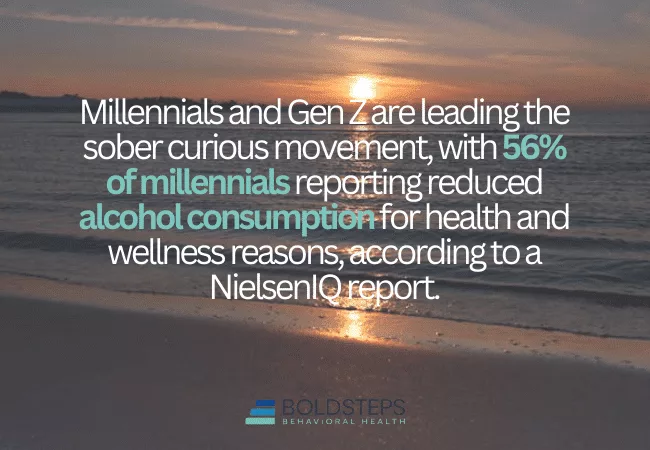
Tips for Embracing the Sober Curious Lifestyle
Adopting a sober curious lifestyle is about exploring your relationship with alcohol and making mindful choices that align with your personal values and goals. While it may seem daunting to break away from societal norms surrounding drinking, these tips can help you embrace the journey with confidence and intention.
1. Set Clear Intentions
- Reflect on your reasons for exploring sobriety, whether it’s to improve your health, mental clarity, or relationships.
- Write down your goals, such as reducing alcohol consumption during social events or committing to alcohol-free days each week.
2. Create a Supportive Environment
- Surround yourself with people who respect and encourage your choice to drink less or abstain from alcohol.
- Seek out social events and spaces that don’t revolve around drinking, such as coffee shops, fitness classes, or hobby groups.
3. Be Open About Your Decision
- Share your intentions with trusted friends or family members. Transparency can reduce pressure and create accountability.
- Use simple explanations like, “I’m focusing on my health” or “I want to try new experiences without alcohol.”
4. Replace Old Habits with New Ones
- Find healthy alternatives to drinking, such as exercise, meditation, or creative hobbies.
- Experiment with alcohol-free beverages like mocktails, sparkling water, or herbal teas to maintain a sense of ritual.
5. Plan Ahead
- Prepare responses to common questions or offers of alcohol to avoid feeling caught off guard in social situations.
- Bring your own non-alcoholic drink to gatherings so you always have an option that aligns with your goals.
6. Practice Self-Compassion
- Remember that change is a process, and it’s okay to take small steps.
- Celebrate your progress, whether it’s attending a social event without drinking or going a week alcohol-free.
Exploring Sober Curious Practices
The sober curious lifestyle is not about rigid rules or all-or-nothing thinking. Instead, it’s a flexible and empowering way to explore sobriety. Here are some practical practices to help you dive deeper into the sober curious mindset:
1. Try a Sober Challenge
- Participate in initiatives like Dry January, Sober October, or a personal 30-day alcohol-free challenge.
- Use this time to observe how your body and mind respond to reduced or eliminated alcohol consumption.
2. Keep a Journal
- Document your thoughts, emotions, and physical sensations throughout your sober curious journey.
- Reflect on patterns, triggers, and the benefits you experience from drinking less.
3. Engage in Mindfulness Practices
- Practice mindfulness or meditation to become more aware of your feelings and triggers related to alcohol.
- Learn to manage stress or social discomfort in healthier ways, such as deep breathing or grounding techniques.
4. Explore Alcohol-Free Socializing
- Attend events specifically designed for sober living individuals, such as yoga classes, book clubs, or sober meetups.
- Host alcohol-free gatherings with friends to demonstrate that fun doesn’t depend on drinking.
5. Educate Yourself
- Read books, listen to podcasts, or watch documentaries that explore the impact of alcohol on mental and physical health.
- Learning more about the sober curious movement can provide motivation and insights into your own habits.
6. Connect with Sober Communities
- Join online or in-person sober curious groups to connect with others on a similar journey.
- Communities like these offer support, inspiration, and accountability.
Take the Bold Step Toward Sobriety or Sobriety Exploration
Whether you’re sober curious or ready to address substance use, the journey to a healthier, more intentional life starts with a single step. At Bold Steps Behavioral Health, we provide compassionate, evidence-based care tailored to your unique goals and challenges.
Contact us today to learn more about our Partial Hospitalization Programs, Alcohol Addiction Treatment, or Intensive Outpatient Programs. Let us help you explore what sobriety means for you and guide you toward a brighter, healthier future. Take the first step toward recovery and contact us at (717) 896-1880 today.
FAQ on Sober Curious Lifestyle
What does it mean to be sober curious?
Being sober curious means questioning your relationship with alcohol and exploring the benefits of reducing or eliminating it from your life. It’s about making intentional, mindful choices rather than drinking out of habit or social pressure.
How is sober curiosity different from recovery?
Sober curiosity focuses on lifestyle changes and self-reflection rather than addressing addiction. Recovery typically involves abstinence and professional treatment for substance dependence, like those offered at Bold Steps Behavioral Health.
What are the benefits of a sober curious lifestyle?
Benefits include improved mental clarity, better physical health, enhanced relationships, deeper self-awareness, and reduced anxiety or depression.
How do I start exploring the sober curious lifestyle?
Start by setting clear intentions, reducing alcohol intake, replacing drinking habits with healthier alternatives, and engaging in mindful practices like journaling or meditation.
What if I find it difficult to cut back on alcohol?
If reducing alcohol is challenging, it may indicate a deeper dependency. Programs like Alcohol Addiction Treatment or Outpatient Treatment Programs at Bold Steps Behavioral Health can provide the support you need.
Can I be sober curious if I use other substances?
Absolutely. Sober curiosity extends beyond alcohol and can include questioning habits around other substances. Professional treatment options like Opiate Addiction Treatment or Cocaine Addiction Treatment can help address more serious concerns.