

I didn’t arrive at the decision to seek treatment in a dramatic moment. There was no explosion, no rock bottom, no single event I could point to and say, that’s when everything broke. What I had instead was a slow, steady awareness that something wasn’t right—and that pretending otherwise was taking more energy than I had left.
I remember reading about a partial hospitalization program late one night, half-expecting it to feel like something meant for “other people.” Instead, it felt strangely familiar. Like it was describing a place for someone who knew they needed help but didn’t want to lose themselves in the process.
That recognition mattered more than I expected.
I was ready for help—but just not ready to disappear. Living and working in Lancaster County, PA, I didn’t need a total reset. I needed support that fit into real life without asking me to step away from everything all at once.
I Was Ready for Help—Just Not Ready to Disappear
One of the hardest parts of considering treatment was the fear of what I’d have to give up to get better. I wasn’t in denial about needing support. I just couldn’t imagine stepping completely out of my life to receive it.
A partial hospitalization program didn’t demand that I erase everything I still cared about. It allowed me to receive intensive care during the day and return home in the evenings. That balance was the difference between something I admired from afar and something I could actually commit to.
It felt like treatment that respected where I was, not where I thought I should already be.
Understanding What a Partial Hospitalization Program Really Is
Before I looked closely, I assumed a partial hospitalization program was just outpatient care with a longer schedule. That assumption almost kept me from taking it seriously.
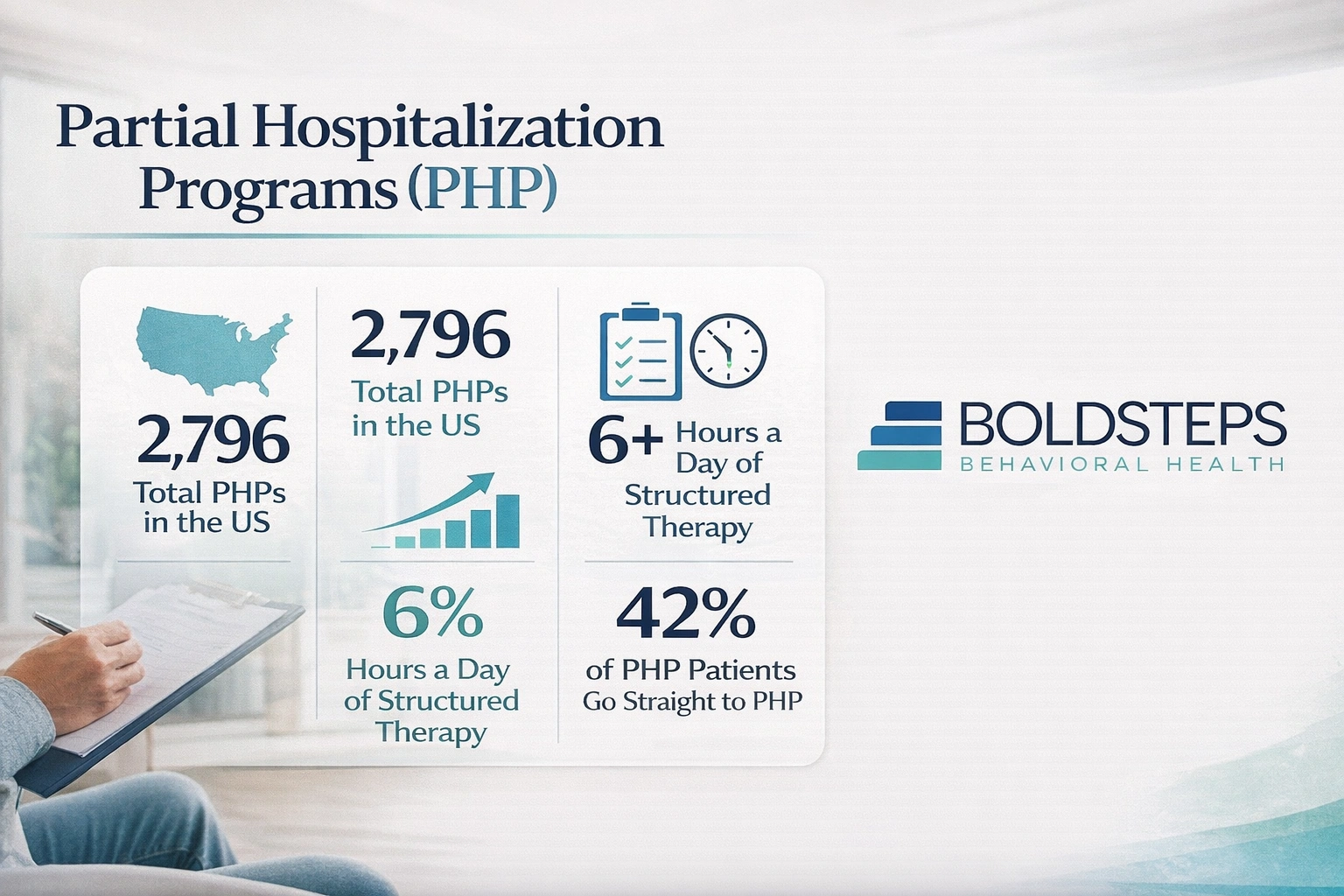
In reality, PHP offered a high level of clinical support—structured therapy, consistent monitoring, and a full treatment day—without the isolation I feared from inpatient care. The intensity was real. The expectations were clear. But I still had space to breathe.
It felt less like being removed from my life and more like learning how to re-enter it with support.
Structure Became Something I Could Lean On
I didn’t trust my instincts anymore. That’s something people don’t talk about enough.
When you’ve been struggling for a while, even simple decisions can feel unreliable. The daily structure of a partial hospitalization program took some of that pressure off. I didn’t have to decide what to do next every hour. The plan was already there.
That structure didn’t box me in—it steadied me. Like holding onto a railing while climbing stairs you haven’t used in a while.
The Relief of Being Taken Seriously Without Being Judged
As a first-time treatment seeker, I expected to feel exposed. I worried that every session would be about what I’d done wrong or how I’d let things go too far.
That’s not what happened.
What I experienced instead was curiosity without accusation. Support without pressure. I was treated like a whole person—not a checklist of symptoms or a cautionary tale.
That kind of environment makes it easier to be honest. And honesty, it turns out, is a lot easier when you’re not bracing for shame.
Why This Level of Care Felt Emotionally Safer
There’s a quiet vulnerability that comes with asking for help for the first time. You don’t know what you’ll uncover, or how much you’ll be asked to share before you’re ready.
A partial hospitalization program allowed me to open up gradually. I wasn’t rushed. I wasn’t forced into disclosures I wasn’t prepared for. The pace mattered.
It felt like learning to trust again—not just other people, but myself.
Being Supported Without Losing My Independence
One of the biggest surprises was how empowering PHP felt.
I wasn’t being managed or micromanaged. I was being guided. There’s a difference. I still had responsibilities. I still made choices. But I wasn’t carrying the weight alone.
For someone like me—who needed help but didn’t want to feel helpless—that distinction made all the difference.
Where PHP Fit Into My Bigger Picture
What helped me commit was understanding that a partial hospitalization program wasn’t an end point. It was part of a continuum.
I wasn’t being asked to predict the rest of my recovery. I was being asked to focus on the next right step. For people exploring care in bold treatment options in Pennsylvania, PHP can serve as a bridge—between needing serious help and wanting to maintain real-world connection.
That clarity lowered the stakes enough for me to say yes.
Why “Not Knowing” Didn’t Mean I Wasn’t Ready
I thought readiness would feel confident. It didn’t.
Readiness felt like hesitation mixed with honesty. Like admitting I didn’t have answers but also couldn’t keep avoiding the questions. Choosing a partial hospitalization program wasn’t about certainty—it was about permission to begin without having it all figured out.
If anything, the willingness to start without guarantees became part of the healing.
The Quiet Power of Starting Somewhere Sustainable
I didn’t need a dramatic transformation. I needed something sustainable.
PHP gave me days with intention and evenings with reflection. It gave me consistency without confinement. And most importantly, it gave me proof that starting treatment didn’t mean giving up my identity.
It meant giving myself a chance to reconnect with it.
What I’d Tell Someone Standing Where I Was
If you’re considering a partial hospitalization program and wondering whether it’s “enough” or “too much,” I’d say this: the right level of care is the one you’ll actually engage with.
PHP felt like a door that stayed open instead of slamming shut behind me. And sometimes, that’s exactly what you need to step through.
FAQs About Partial Hospitalization Programs
Is a partial hospitalization program only for people who have already tried treatment?
No. A partial hospitalization program can be an appropriate first step for people who recognize they need structured support but want to remain connected to their daily lives. You don’t need a treatment history to benefit from PHP.
How is a partial hospitalization program different from outpatient treatment?
PHP typically involves more hours of care per week, a higher level of clinical oversight, and a more structured schedule than standard outpatient programs. It provides intensity without requiring overnight stays.
Will I still have time for family or responsibilities?
Yes. One of the defining features of a partial hospitalization program is that participants return home each day. This allows many people to stay engaged with family, work adjustments, or personal responsibilities while receiving care.
What if I’m not sure this is the “right” level of care?
Not being sure is common. PHP is often used as a starting point because it allows clinicians to assess needs over time and adjust recommendations without requiring immediate long-term commitments.
Can a partial hospitalization program help me decide what comes next?
Absolutely. PHP is designed not only to provide care but also to help individuals understand their needs and plan next steps—whether that means stepping down to outpatient care or continuing with additional support.
Taking the Next Step
If you’re considering a partial hospitalization program and wondering whether it could be the right place to begin, you don’t have to make a lifelong decision today. You just have to decide whether you’re open to support while you figure things out.
Call 717-896-1880 to learn more about our Partial Hospitalization Program in Harrisburg, PA and what starting care could look like for you.