
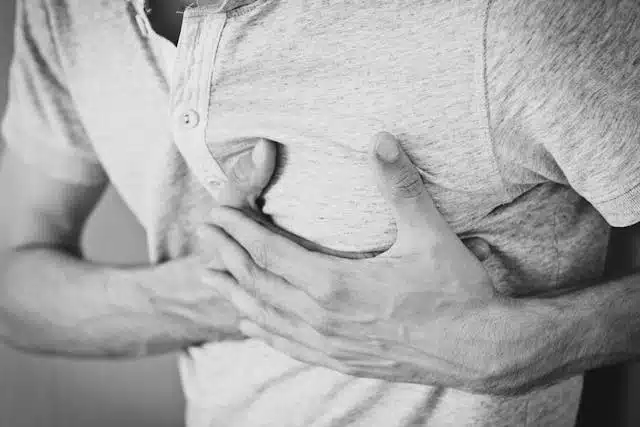
Substance abuse is a well-documented health crisis affecting millions of people worldwide. While most discussions about drug use focus on mental health, behavior, and addiction, the physical impacts—especially on the cardiovascular system—deserve equal attention. Among the most severe risks associated with drug use is the potential for heart attacks. Understanding how drugs affect the heart, recognizing the warning signs, and seeking treatment are critical steps toward recovery and long-term health.
At Bold Steps Behavioral Health, we provide a range of services to support individuals on their recovery journey, including our Drug Detox Center, Addiction Treatment Programs, and outpatient services. This article delves into the connection between drugs and heart attacks, the dangers involved, and how treatment can help rebuild lives.
How Drugs Can Cause Heart Attacks
A heart attack, or myocardial infarction, occurs when blood flow to the heart muscle is severely reduced or blocked. This can be due to a buildup of fat, cholesterol, or other substances in the arteries, or as a direct result of drug-induced cardiovascular strain.
Certain drugs increase the likelihood of heart attacks by:
- Elevating heart rate and blood pressure.
- Narrowing blood vessels (vasoconstriction).
- Triggering abnormal heart rhythms (arrhythmias).
- Increasing oxygen demand in the heart while simultaneously reducing its supply.
Stimulants: A Major Contributor
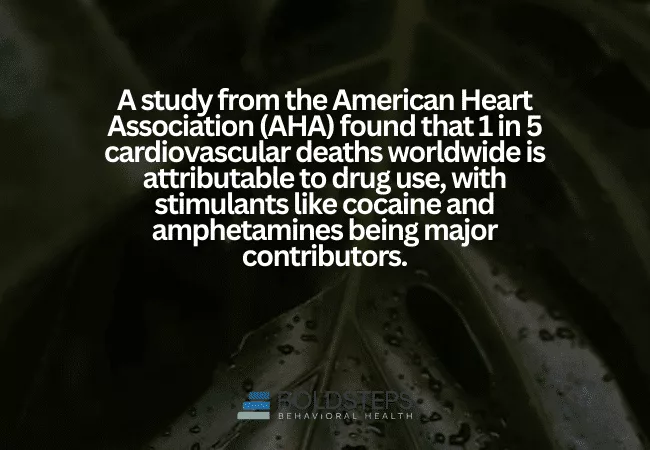
Stimulants, such as cocaine, methamphetamine, and amphetamines, are among the most dangerous substances for the heart. These drugs act as powerful stimulators of the central nervous system and cardiovascular system.
- Cocaine
- Effect: Cocaine dramatically increases heart rate and blood pressure, leading to heightened demand on the heart muscle.
- Heart Attack Risk: Cocaine is a leading cause of drug-related heart attacks, particularly in younger individuals. Even a single use can lead to arterial spasms, reducing blood flow and causing heart damage.
- Additional Risks: Long-term use can lead to chronic conditions such as cardiomyopathy and arrhythmias.
- Methamphetamine
- Effect: Methamphetamine causes prolonged cardiovascular stimulation, leading to increased heart rate and blood pressure.
- Heart Attack Risk: Chronic use results in permanent damage to the heart muscle and blood vessels, significantly increasing the risk of heart attack and stroke.
Opioids: A Double-Edged Sword
Opioids, including heroin, fentanyl, and prescription painkillers, are depressants that slow down the body’s systems. While their primary risk lies in overdose, they also have significant cardiovascular effects.
- Respiratory Depression: Opioid overdoses often lead to oxygen deprivation (hypoxia), which can cause irreversible heart damage or cardiac arrest.
- Infections: Intravenous drug use increases the risk of endocarditis (infection of the heart lining) and sepsis, both of which can lead to heart failure.
Depressants: Subtle but Dangerous
Depressants, such as alcohol and benzodiazepines, may seem less immediately dangerous than stimulants or opioids, but their long-term effects on the heart can be equally devastating.
- Alcohol: Chronic alcohol abuse can cause cardiomyopathy, where the heart muscle becomes weakened and enlarged.
- Benzodiazepines: When combined with other substances, benzodiazepines can slow the heart to dangerous levels, leading to cardiovascular collapse.
Synthetic Drugs: Unpredictable Consequences
Synthetic drugs, such as MDMA (Ecstasy) and synthetic cannabinoids (K2/Spice), are often mixed with unknown chemicals that can overstimulate the heart.
- MDMA: Commonly known as Ecstasy, this drug causes dehydration, overheating, and high blood pressure, all of which strain the heart.
- Synthetic Cannabinoids: These drugs can cause erratic heart rhythms and sudden cardiac arrest, especially when combined with other substances.
Signs of Drug-Induced Heart Problems
Recognizing the early warning signs of heart problems caused by drug use can save lives. Drug-induced heart issues can develop suddenly or gradually, depending on the substance and the frequency of use. Knowing these signs allows individuals to seek medical attention before the condition worsens.
Common Signs and Symptoms:
- Chest Pain or Tightness:
A frequent and alarming symptom, chest pain can indicate reduced blood flow to the heart, possibly leading to a heart attack. - Shortness of Breath:
Difficulty breathing is often linked to heart strain or fluid buildup in the lungs caused by reduced heart efficiency. - Irregular Heartbeat (Arrhythmias):
Drugs like cocaine and methamphetamine can disrupt the heart’s electrical system, causing irregular or rapid heartbeats. - Lightheadedness or Fainting:
These symptoms may result from a sudden drop in blood pressure or reduced blood flow to the brain. - Cold Sweats and Fatigue:
These can indicate that the heart is struggling to pump blood efficiently, which is common during a heart attack. - Nausea or Vomiting:
Often overlooked, nausea can be a sign of cardiovascular distress, particularly in women experiencing a heart attack.
Why These Symptoms Matter:
Ignoring these signs can lead to life-threatening situations such as heart attacks, cardiac arrest, or other severe complications. Seeking medical attention immediately and addressing substance use are critical steps in mitigating these risks.
The Long-Term Cardiovascular Impact of Drug Use
While the immediate effects of drug use on the heart are dangerous, the long-term consequences can be equally devastating. Chronic drug use can permanently damage the cardiovascular system, even after an individual stops using substances.
Chronic Cardiovascular Conditions Linked to Drug Use:
- Hypertension (High Blood Pressure):
Stimulants like cocaine and methamphetamine cause repeated surges in blood pressure, increasing the risk of heart attack, stroke, and kidney disease. - Atherosclerosis:
Drugs that elevate cholesterol levels or cause inflammation can lead to plaque buildup in the arteries, restricting blood flow and heightening the risk of a heart attack. - Cardiomyopathy:
This condition, where the heart muscle weakens and becomes less effective at pumping blood, is common among individuals with alcohol use disorder or long-term stimulant abuse. - Arrhythmias:
Irregular heartbeats caused by drug use can persist over time, increasing the risk of stroke or sudden cardiac death. - Heart Failure:
Chronic strain on the heart due to drug use can result in heart failure, where the heart cannot pump blood effectively to meet the body’s needs.
The Importance of Treatment: Protecting Heart Health
Addiction not only affects mental and emotional well-being but also places immense stress on the body, especially the heart. Addressing substance use through professional treatment is vital to reducing cardiovascular risks and promoting long-term recovery.
How Treatment Protects Heart Health:
- Safe Detoxification:
A Drug Detox Center ensures that individuals withdraw from substances safely, minimizing cardiovascular strain during the detox process. Medically supervised detox is particularly important for substances like alcohol, cocaine, and opioids, which can cause severe withdrawal symptoms. - Comprehensive Rehabilitation:
Effective Addiction Treatment Programs address both the physical and psychological aspects of addiction. Programs at Bold Steps Behavioral Health include therapies focused on reducing stress, managing triggers, and promoting heart-healthy habits. - Lifestyle Education:
Recovery programs emphasize the importance of maintaining a healthy lifestyle. This includes adopting a balanced diet, regular exercise, and stress management techniques to improve cardiovascular health. - Dual Diagnosis Care:
Many individuals with substance use disorders also struggle with mental health issues like anxiety or depression, which can worsen cardiovascular problems. Integrated treatment ensures both addiction and mental health conditions are addressed simultaneously.
Levels of Care at Bold Steps Behavioral Health:
- Partial Hospitalization Program (PHP):
PHP offers intensive care during the day while allowing clients to return home at night. This program is ideal for those who need structured support for physical and mental health recovery. - Intensive Outpatient Program (IOP):
IOP provides ongoing therapy and support while helping clients balance personal responsibilities. It focuses on relapse prevention and skill-building for long-term health. - Outpatient Treatment Program:
Outpatient care offers flexible scheduling for those who have progressed in their recovery. It includes periodic therapy sessions to maintain sobriety and focus on improving overall health.
Treatment Options at Bold Steps Behavioral Health
1. Drug Detox Center
Detox is the first critical step in recovery. Our Drug Detox Center provides:
- Medical Supervision: Ensuring safety during withdrawal, particularly for substances with severe cardiovascular risks like stimulants and opioids.
- Symptom Management: Medications and therapies to minimize discomfort and reduce stress on the heart.
- Foundation for Recovery: Preparing clients for long-term treatment through stabilization.
2. Inpatient Treatment Programs
Inpatient care is ideal for individuals with severe addiction or a history of cardiovascular issues. This structured environment offers:
- 24/7 medical monitoring.
- Comprehensive therapy to address addiction and its underlying causes.
3. Partial Hospitalization Program (PHP)
Our PHP provides a high level of care for individuals who need structured support but prefer to return home in the evenings. This program includes:
- Intensive therapy sessions.
- Education on heart health and relapse prevention.
4. Intensive Outpatient Program (IOP)
The Intensive Outpatient Program is ideal for those transitioning from detox or inpatient care. It focuses on:
- Maintaining sobriety through regular therapy.
- Developing life skills for long-term recovery.
5. Outpatient Treatment Program
Our Outpatient Treatment Program offers flexibility for individuals who have made significant progress but need continued support. This program includes periodic counseling and therapy sessions to prevent relapse.
Combining Heart Health and Recovery
At Bold Steps Behavioral Health, we believe in treating the whole person. Our programs are designed to not only address addiction but also promote overall health, including heart health.
Key Components of Our Approach:
- Nutrition and Exercise Education: Teaching clients how to adopt heart-healthy habits.
- Stress Management: Helping individuals reduce stress through mindfulness and relaxation techniques.
- Dual Diagnosis Treatment: Addressing co-occurring mental health disorders that may contribute to substance abuse.
Conclusion
Drugs can cause serious cardiovascular problems, including heart attacks, but recovery is possible. With the right support, individuals can overcome addiction, rebuild their health, and reduce their risk of future complications.
At Bold Steps Behavioral Health, we provide comprehensive care tailored to each individual’s needs. From our Drug Detox Center to our Addiction Treatment Programs, we are committed to helping clients achieve lasting recovery.
Take the first bold step toward a healthier, brighter future. Contact us today at (717) 896-1880 to learn more about our programs and how we can support you or your loved one on the journey to recovery.
FAQ on Can Drugs Cause Heart Attacks
Can drugs cause heart attacks?
Yes, certain drugs, such as stimulants (e.g., cocaine, methamphetamine), opioids, and synthetic substances, can significantly increase the risk of heart attacks by elevating heart rate, blood pressure, and causing arterial blockages or spasms.
What are the warning signs of a drug-induced heart problem?
Common symptoms include chest pain, shortness of breath, rapid or irregular heartbeat, lightheadedness, fainting, nausea, and cold sweats. Seek medical attention immediately if these symptoms occur.
How does drug detox help reduce the risk of heart attacks?
A Drug Detox Center provides a medically supervised environment to safely manage withdrawal symptoms, which can be dangerous for the heart. Detox lays the foundation for recovery and reduces the risk of cardiovascular complications.
Are there treatment options for heart-related issues caused by drug use?
Yes, comprehensive Addiction Treatment Programs, including inpatient, outpatient, and detox programs, address both addiction and physical health concerns. At Bold Steps Behavioral Health, we integrate heart-healthy education and support into our treatment plans.
What is the best treatment program for someone at risk of heart complications?
The choice depends on the individual’s needs. Those with severe health risks may benefit from inpatient care, while others may find success with a Partial Hospitalization Program or an Intensive Outpatient Program.