

Generally, people take aspirin to relieve body pain, headache, inflammation, or fever without any doctor’s prescription. This medicine is easily available without any medical prescription. That is why a large number of people have used this pain-relieving medication for decades. However, doctors also prescribe a daily dose of aspirin to patients suffering from chronic diseases. It aids them in lowering their risk of stroke. Taking aspirin daily can help in some cases, but it can also cause side effects when combined with alcohol. Let’s understand how alcohol can alter the effectiveness of aspirin.
Understand Aspirin and Alcohol
These two substances are distinct from one another. Whereas aspirin is a nonsteroidal anti-inflammatory drug that is commonly used to treat minor acne and pain. However, it has the potential to damage the stomach, so doctors recommend taking it with food to reduce the drug’s side effects. The alcohol gave the body a relaxing feeling. It is an acidic and depressant drink. When consumed in excess, this irritates the stomach lining and has negative effects on one’s health. However, taking aspirin and alcohol together increases the risk of gastrointestinal bleeding and ulcers.
How Aspirin Works in the Body
Aspirin (acetylsalicylic acid) works by inhibiting the enzyme cyclooxygenase (COX), which plays a key role in producing prostaglandins—chemicals in the body that cause pain, fever, and inflammation. By blocking COX, aspirin reduces these symptoms and can also prevent blood clots by making platelets less sticky.
Major Side Effects of Mixing Aspirin with Alcohol
When taking aspirin with alcohol, you should be aware of the potential side effects. Anyway, the side effects may vary depending on a variety of factors, including age and overall health.
Risk of Stomach Bleeding
The most common risk associated with the combination of aspirin and alcohol is stomach bleeding. Aspirin and alcohol can cause inflammation of the stomach lining as well as ulcers and bleeding in the gastrointestinal tract. When these risks or factors interact, they may compound the situation. One such concern is this risk factor that must not be overlooked, particularly for people who have sensitive stomachs or other gastrointestinal complaints.
Influence Liver Function
Aspirin and alcohol are among the substances that are metabolized by the liver for elimination from the body. Taking aspirin with alcohol increases stress in the liver, potentially leading to diluted liver tissue. This is because alcohol is toxic to the liver; hence, when one drinks heavily, the liver loses its ability to metabolize aspirin as it usually does. People with a liver condition should be very careful and have a consultation with their doctor before taking both aspirin and alcohol.
Increased risk of heart attack or stroke
If you take aspirin to thin your blood and also drink alcohol, you will be more prone to clotting. These clots may be the ones that inhibit arteries that supply blood to the heart or the brain and thus cause a heart attack or a stroke, respectively. Those who take aspirin to prevent these illnesses should be extremely cautious of alcohol products. Aspirin’s thinner blood might not work so well this time and, thus, fail to protect the heart from dangerous blood clots.
All these are some risks associated with taking aspirin with alcohol. However, the side effects are not serious but cause extreme discomfort. To avoid such a situation, you need to follow some safe tips.
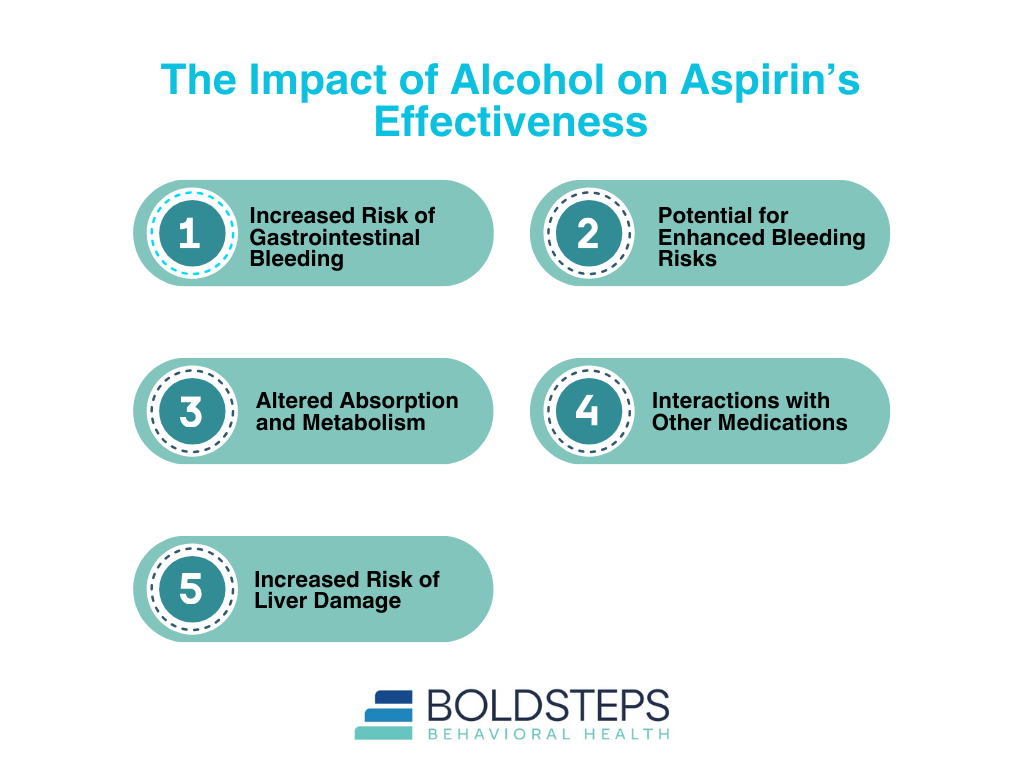
The Impact of Alcohol on Aspirin’s Effectiveness
Increased Risk of Gastrointestinal Bleeding
Both alcohol and aspirin can irritate the stomach lining and increase the risk of gastrointestinal bleeding. When taken together, this risk is compounded. Alcohol can exacerbate aspirin’s effects on the stomach lining, leading to ulcers and bleeding, especially with long-term or heavy use.
Altered Absorption and Metabolism
Alcohol can affect how aspirin is absorbed and metabolized in the body. Chronic alcohol consumption can induce liver enzymes that metabolize aspirin, potentially leading to altered drug levels and effectiveness. Additionally, alcohol may impact the digestive system, affecting the absorption of aspirin and thereby reducing its efficacy.
Increased Risk of Liver Damage
Both aspirin and alcohol can strain the liver. Regular alcohol consumption combined with frequent aspirin use can exacerbate liver damage, potentially leading to compromised liver function. This can affect how the body processes medications, including aspirin, reducing their effectiveness and increasing the risk of side effects.
Potential for Enhanced Bleeding Risks
Alcohol can have a blood-thinning effect, which, when combined with aspirin’s anticoagulant properties, can increase the risk of bleeding complications. This is particularly concerning for individuals with existing health conditions that affect blood clotting or for those taking high doses of aspirin.
Interactions with Other Medications
Alcohol may interact with other medications that a person is taking alongside aspirin, potentially altering their effectiveness or increasing the risk of adverse effects. For instance, certain medications used to manage chronic conditions can have their effects modified by alcohol, leading to unintended health consequences.
Tips for Safe Use of Aspirin with Alcohol:
- Limit alcohol consumption: If you are taking aspirin, you should limit or avoid alcohol consumption, especially if you are taking it to thin your blood.
- Talk to your doctor: If you have any concerns about mixing alcohol and aspirin, speak with your doctor. They can evaluate your risk and offer personalized advice.
- Consider alternative pain relievers: If you need pain relief but are unable to avoid alcohol, talk to your doctor about other options.
- Be aware of other medications: Certain medications can interact with both aspirin and alcohol, so be sure to tell your doctor about everything you are taking.
Looking for an Alcohol Addiction Treatment Center? Meet Bold Steps!
Our customized alcohol addiction treatment programs provide a thorough approach to recovery that includes counseling, support groups, and therapy. They are designed to match your specific needs. With Bold Steps, a compassionate and knowledgeable team committed to assisting you in making long-lasting change. So, why wait? Take charge of your life and begin your journey to recovery by getting in touch with Bold Steps right now.
Conclusion
While aspirin is a widely used medication for managing pain and reducing cardiovascular risk, its effectiveness and safety can be significantly impacted by alcohol consumption. The combined use of aspirin and alcohol can increase the risk of gastrointestinal bleeding, alter drug metabolism, and exacerbate liver damage. To manage these risks effectively, it’s important to consult with healthcare professionals and follow best practices for alcohol and medication use.
At Bold Steps Behavioral Health, we understand the complexities of managing medications and health conditions. If you have concerns about how alcohol or other substances might interact with your medications or affect your overall well-being, our team is here to provide support and guidance. Contact us today at: (717) 896-1880 to learn more about our comprehensive care and how we can assist you in maintaining a balanced and healthy lifestyle.
FAQs About How Alcohol Can Alter the Effectiveness of Aspirin
What is aspirin?
Aspirin is a nonsteroidal anti-inflammatory drug (NSAID) commonly used to reduce pain, fever, and inflammation. It is also used to prevent heart attacks and strokes in people at high risk.
How does alcohol affect the body?
Alcohol is a central nervous system depressant that can have a variety of effects on the body, including:
- Impaired judgment: Alcohol can impair judgment and decision-making.
- Increased risk of injury: Alcohol can increase the risk of accidents and injuries.
- Liver damage: Long-term alcohol abuse can lead to liver damage.
- Increased risk of certain diseases: Alcohol can increase the risk of certain diseases, such as cancer and heart disease.
Should I avoid taking aspirin if I drink alcohol?
If you drink alcohol regularly, it’s important to talk to your doctor about the risks and benefits of taking aspirin. They can help you weigh the risks and benefits and determine if aspirin is right for you.
Can I still drink alcohol occasionally while taking aspirin?
If you drink alcohol occasionally and are taking aspirin, it’s important to talk to your doctor about the risks and benefits. They can help you weigh the risks and determine if the benefits of taking aspirin outweigh the risks.
What are some alternatives to aspirin for pain relief?
If you are concerned about the risks of taking aspirin with alcohol, there are other over-the-counter pain relievers available, such as acetaminophen (Tylenol) or ibuprofen (Advil, Motrin). However, it’s important to talk to your doctor before taking any new medication.