

Underage drinking is a significant issue in the United States, with profound implications for young people, families, and society as a whole. It is not only a health concern but also a social and legal one, as it affects academic performance, family dynamics, and public safety. Preventing underage drinking requires a proactive, multi-faceted approach that includes education, communication, community involvement, and professional support when necessary. At Bold Steps Behavioral Health, we offer comprehensive care through programs like our Alcohol Detox Center, Alcohol Addiction Treatment Program, and other Addiction Treatment Programs, empowering individuals and families to overcome the challenges of alcohol misuse.
The Scope of Underage Drinking in the U.S.
Despite ongoing prevention efforts, underage drinking remains prevalent across the country. According to the National Institute on Alcohol Abuse and Alcoholism (NIAAA):
- 29% of high school students reported consuming alcohol in the past month.
- 14% of high school students engaged in binge drinking, defined as consuming a large quantity of alcohol in a short period.
- 4,300 deaths annually are attributed to underage drinking, including motor vehicle accidents, alcohol poisoning, and violent incidents.
The widespread availability of alcohol and its portrayal in media contribute to these troubling statistics, emphasizing the need for robust prevention strategies.
Why Underage Drinking Happens
Understanding why teens turn to alcohol is essential for effective prevention. Adolescence is a time of exploration, identity formation, and social pressures, all of which can contribute to alcohol use.
Common Reasons for Underage Drinking:
- Peer Pressure:
Adolescents often face pressure from their peers to fit in, and drinking is frequently seen as a way to gain social acceptance. - Curiosity and Experimentation:
Teens may experiment with alcohol out of curiosity or as a way to assert their independence. - Stress and Emotional Challenges:
Academic pressures, family conflicts, and mental health issues like anxiety or depression can lead teens to use alcohol as a coping mechanism. - Media Influence:
Alcohol is often glamorized in movies, TV shows, and social media, creating a perception that drinking is a normal and desirable part of life. - Family Environment:
Teens who grow up in households where alcohol misuse is common are more likely to engage in underage drinking themselves.
The Consequences of Underage Drinking
While some may view underage drinking as a “rite of passage,” the consequences can be severe and far-reaching, impacting teens’ physical health, emotional well-being, and future opportunities.
Short-Term Consequences:
- Impaired Judgment: Drinking affects decision-making, increasing the likelihood of risky behaviors such as unprotected sex or reckless driving.
- Alcohol Poisoning: Overconsumption can lead to life-threatening alcohol poisoning, particularly in inexperienced drinkers.
- Injuries and Accidents: Alcohol-related accidents, including falls, burns, and car crashes, are common among teens.
Long-Term Consequences:
- Brain Development: Alcohol interferes with the development of the adolescent brain, particularly areas responsible for memory, decision-making, and impulse control.
- Addiction Risk: Teens who begin drinking before the age of 15 are 4 times more likely to develop alcohol dependency later in life.
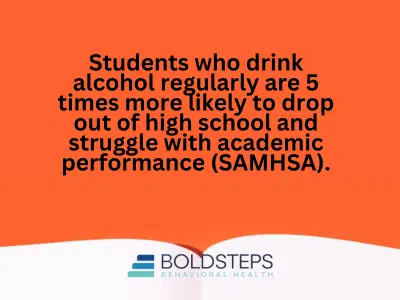
- Academic Decline: Poor attendance, reduced academic performance, and dropping out of school are common outcomes of regular drinking.
Strategies for Preventing Underage Drinking
Preventing underage drinking requires a community-wide effort, with parents, schools, and local organizations working together to create a supportive environment for teens.
1. Parental Involvement
Parents play a pivotal role in shaping their children’s attitudes toward alcohol.
- Open Communication: Talk to your teen about the risks of alcohol use. Encourage honest, judgment-free conversations to build trust.
- Set Clear Expectations: Establish household rules regarding alcohol and explain the consequences of breaking them.
- Be a Role Model: Demonstrate responsible drinking habits or abstinence to set a positive example.
2. Education and Awareness
Providing accurate information about the risks of underage drinking is critical.
- School Programs: Implement evidence-based prevention programs that educate teens about the dangers of alcohol misuse.
- Community Workshops: Host workshops for parents and teens to discuss the impact of alcohol on health, safety, and future opportunities.
3. Monitoring and Supervision
Teens with greater parental supervision are less likely to engage in risky behaviors.
- Know Their Friends: Be aware of your teen’s social circle and ensure they are surrounded by positive influences.
- Monitor Activities: Stay involved in your teen’s extracurricular activities and social plans.
4. Community Engagement
Communities can create environments that discourage underage drinking.
- Enforce Legal Restrictions: Ensure compliance with laws prohibiting the sale of alcohol to minors.
- Promote Alcohol-Free Events: Organize events that encourage teens to have fun without alcohol.
5. Early Intervention
If a teen shows signs of alcohol use, it’s essential to address the issue promptly.
- Seek Professional Help: Programs like Partial Hospitalization Programs (PHP) or Intensive Outpatient Programs (IOP) can provide teens with the support they need to address alcohol misuse.
- Collaborate with Schools: Work with school counselors and administrators to ensure a comprehensive approach to intervention.
When Professional Treatment Becomes Necessary
For teens who are already engaging in alcohol use, professional treatment may be necessary to address underlying issues and prevent long-term consequences. At Bold Steps Behavioral Health, we offer evidence-based programs tailored to the unique needs of adolescents and their families.
Treatment Options for Underage Drinking
1. Alcohol Detox Center
For teens with alcohol dependency, detoxification is the first step in recovery.
- Medical Supervision: Ensures a safe and comfortable withdrawal process.
- Preparation for Treatment: Detox lays the foundation for further therapeutic interventions.
2. Alcohol Addiction Treatment Program
This comprehensive program addresses the emotional, behavioral, and psychological aspects of alcohol use.
- Individual Therapy: Helps teens explore the underlying causes of their drinking and develop healthier coping mechanisms.
- Group Therapy: Provides peer support and reduces feelings of isolation.
3. Partial Hospitalization Program (PHP)
Our PHP offers structured, intensive care during the day while allowing teens to return home in the evenings.
4. Intensive Outpatient Program (IOP)
The IOP provides flexibility for teens to attend school or maintain family responsibilities while receiving consistent support.
5. Outpatient Treatment Program
Our Outpatient Treatment Program provides ongoing care and relapse prevention strategies to help teens sustain their recovery.
Building a Brighter Future
Preventing underage drinking is about more than stopping teens from picking up a drink—it’s about equipping them with the tools, knowledge, and support to make healthy choices throughout their lives. By fostering open communication, providing education, and seeking early intervention when needed, parents and communities can help teens navigate adolescence without turning to alcohol.
At Bold Steps Behavioral Health, we are committed to supporting families in this journey. Whether you need prevention resources or professional treatment, our team is here to help.
Take the first bold step toward a healthier future—contact us today at (717) 896-1880 to learn more about our Alcohol Detox Center, Alcohol Addiction Treatment Program, and other services.
FAQ on Underage Drinking
Why is underage drinking a problem?
Underage drinking can disrupt brain development, increase the risk of addiction, lead to poor academic performance, and cause legal or health issues, such as accidents and alcohol poisoning.
How can parents prevent underage drinking?
Parents can prevent underage drinking by having open conversations about alcohol risks, setting clear rules, monitoring their teen’s activities, and being positive role models.
What are the consequences of underage drinking?
Short-term consequences include impaired judgment, injuries, and legal issues. Long-term effects include addiction risk, cognitive impairments, and emotional challenges.
How do I know if my teen has a problem with alcohol?
Signs include frequent hangovers, changes in behavior, declining academic performance, secrecy, and drinking to cope with emotions. Early intervention is crucial.
What treatment options are available for underage drinking?
Professional programs like those offered at Bold Steps Behavioral Health, including Alcohol Detox Centers, Alcohol Addiction Treatment Programs, and outpatient care, provide comprehensive support for teens and families.