

Propranolol is a medication usually prescribed for heart-related problems and high blood pressure, but it is also useful for controlling anxiety. It can dampen the physical symptoms of anxiety in the body, for example, the racing heartbeat or the shaking hands.
Anxiety disorders affect millions of people worldwide, leading to significant emotional distress and impairment in daily functioning. While traditional treatments often include psychotherapy and various medications, propranolol has emerged as a valuable option for some individuals. This blog explores the benefits, side effects, and considerations of using propranolol for anxiety management, particularly for those enrolled in programs like Intensive Outpatient Program and Partial Hospitalization Program.
Generally, propranolol is part of the anxiety treatment program in Pennsylvania as a medication to make anxiety easier to handle. Take the first step toward recovery and contact us at (717) 896-1880 today.
What Is Propranolol?
Propranolol is a non-selective beta-blocker primarily used to treat high blood pressure, irregular heartbeats, and other cardiovascular conditions. However, it has gained attention for its off-label use in managing anxiety, particularly performance anxiety or situational anxiety related to public speaking, tests, or other stress-inducing events. By blocking the effects of adrenaline, propranolol helps reduce the physical symptoms of anxiety, such as rapid heartbeat and tremors.
How Propranolol Works for Anxiety?
Unlike most anxiolytic drugs, propranolol is non-trophic on the brain as it does not seem to feed one’s brain but instead blocks adrenaline, a specific hormone causing one to have such symptoms as a racing heartbeat or trembling in times of nervousness. Propranolol interferes with these physical responses by slowing them down.
One of the reasons why it’s appealing is that it’s not addictive. This makes it very good for patients who want to manage their anxiety but do not want to get dependent on the medication. It is used in short-term situations like when a person wants to calm himself down before a big exam or presentation or in the long term for anxiety during addiction treatment programs.
Benefits of Propranolol for Anxiety
Propranolol is the best drug given its property of fast relief in physiological manifestations of anxiety. This medicine would be highly helpful to those suffering from performance anxiety or panic attacks to calm the body. Another positive aspect of this drug is you do not have to take it daily, but just when you feel that you would like to take it.
Effective Relief from Physical Symptoms
Propranolol effectively alleviates the physiological symptoms associated with anxiety. For individuals who experience heart palpitations, shaking, or sweating during stressful situations, propranolol can help mitigate these responses, allowing them to approach anxiety-inducing events with greater composure.
Support for Performance Anxiety
Many people utilize propranolol to manage performance anxiety, which can occur in situations such as public speaking, musical performances, or job interviews. The medication enables individuals to perform better under pressure by reducing physical symptoms that may otherwise hinder their performance.
Rapid Onset of Action
One of the significant advantages of propranolol is its relatively quick onset of action. Patients can take propranolol one to two hours before a stressful event, experiencing relief from anxiety symptoms almost immediately. This rapid response makes it particularly useful for those facing imminent stressors.
Lower Risk of Dependence
Unlike benzodiazepines, which are commonly prescribed for anxiety but carry a risk of dependence and withdrawal symptoms, propranolol is not habit-forming. This characteristic makes it a safer option for individuals concerned about developing a dependency on their anxiety medication.
Complementary to Other Treatments
Propranolol can be effectively integrated into a broader treatment plan that includes psychotherapy and other therapeutic interventions. It is often used alongside programs like Cognitive-Behavioral Therapy (CBT) and exposure therapy within Bold Steps Anxiety Treatment Program and Emotional Dysregulation Program, enhancing overall treatment outcomes.
Potential Benefits for Social Anxiety Disorder
Research has shown that propranolol may benefit individuals with social anxiety disorder (SAD) by alleviating physical symptoms that can trigger anxiety in social settings, making it easier for individuals to engage in social interactions and activities.
Unlike other anxiolytics, propranolol doesn’t make you drowsy or even asleep in some cases. This is a great advantage for people who need to remain focused during anxious situations, like when speaking in public. For an individual seeking therapy at a substance abuse treatment center, propranolol can be an excellent choice for reducing anxiety without running the risk of addiction.
Side Effects and Things to Consider
Like any other medication, propranolol may cause some side effects. General side effects consist of drowsiness, dizziness, or a slower heart rhythm. Hence, it may not be a very good option for those with low blood pressure.
Consulting a doctor is imperative before taking propranolol if you have asthma or any other breathing disorders since it can prove to worsen them. There will always be alternatives, such as therapy and various drugs, since the best anxiety treatment centers in PA may conclude that it is not appropriate for you.
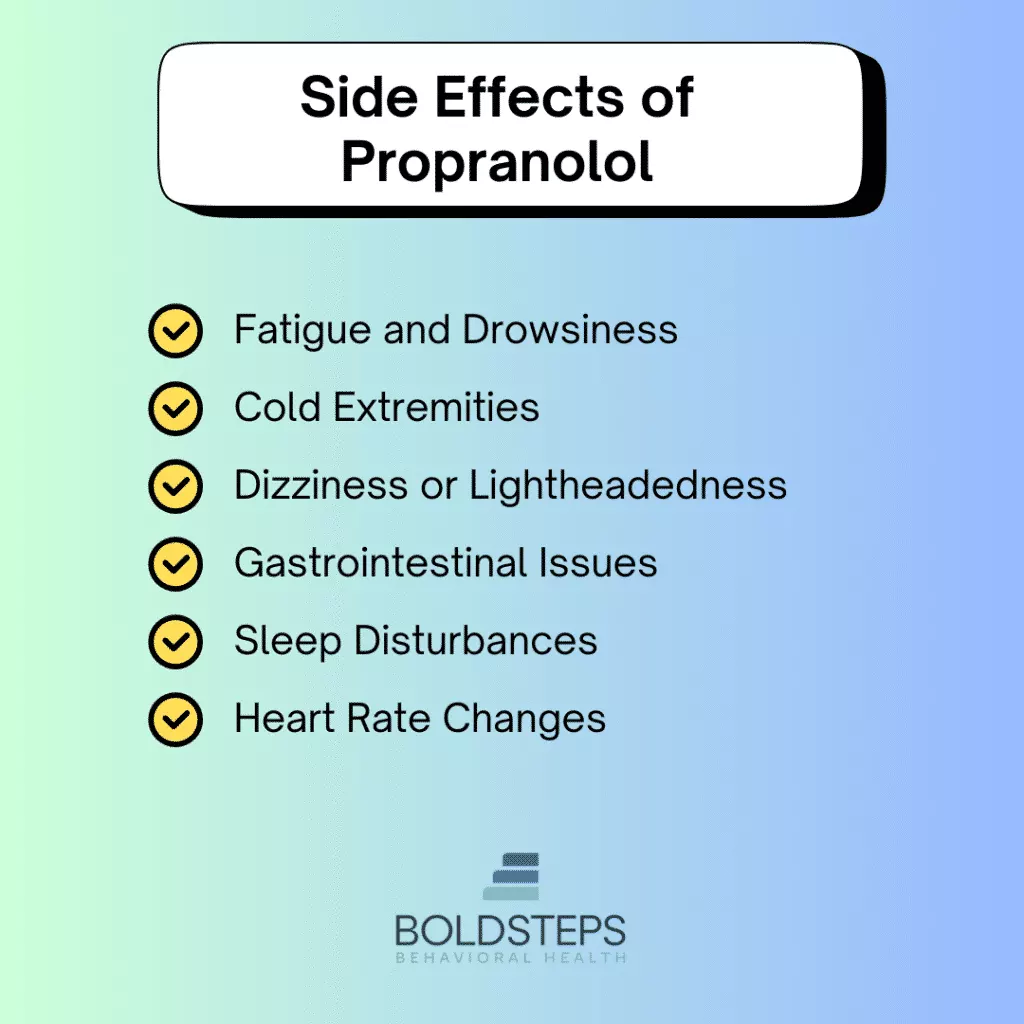
While propranolol can be beneficial for managing anxiety, it is essential to be aware of its potential side effects. Common side effects may include:
- Fatigue and Drowsiness
Some individuals may experience tiredness or lethargy, particularly during the initial adjustment period as their bodies adapt to the medication. - Cold Extremities
Propranolol can reduce blood flow to the hands and feet, leading to a sensation of coldness in these areas. - Dizziness or Lightheadedness
Changes in blood pressure caused by propranolol can result in dizziness, especially when transitioning from a seated to a standing position. - Gastrointestinal Issues
Nausea, stomach upset, or diarrhea can occur in some individuals. These side effects are usually mild but should be monitored. - Sleep Disturbances
Some users report difficulties with sleep, including insomnia or vivid dreams, which may require monitoring and adjustment of the treatment plan. - Heart Rate Changes
Propranolol can lower heart rate, which may be beneficial for some but concerning for others, particularly individuals with certain cardiovascular conditions.
How Propranolol is Used to Treat Anxiety?
Propranolol can sometimes be given in conjunction with other types of therapies, such as therapy or counseling. For example, CBT allows patients to become conscious of and replace the patterns of thought related to their anxiety. Intensive outpatient programs may offer such therapy and medication management so that these patients may go about living their usual lives while receiving necessary help.
At other times, propranolol is combined with other anti-anxiety medications; it may balance out the physical manifestations of anxiety while other anti-anxiety drugs begin to work on the emotional level. An outpatient treatment program helps to “mix and match” a particular dose of medication and therapy to attack anxiety from its base.
Considerations for Using Propranolol
- Not a First-Line Treatment for Generalized Anxiety:
While propranolol can be effective for specific anxiety situations, it is generally not considered a first-line treatment for generalized anxiety disorder (GAD) or chronic anxiety conditions. It is best suited for situational anxiety rather than chronic, pervasive anxiety symptoms. - Tailored Treatment Plans:
Each person’s response to medication varies significantly, making it essential to tailor treatment plans to individual needs. This individualized approach is fundamental in mental health treatment programs at Bold Steps, where services are designed to address specific conditions such as Obsessive Compulsive Disorder (OCD), Psychological Trauma, and Depression. - Regular Monitoring and Adjustment:
Patients using propranolol should have regular check-ins with their healthcare providers to monitor effectiveness and side effects. This ongoing assessment allows for adjustments in dosage or changes in medication as necessary. - Drug Interactions:
Propranolol can interact with other medications, potentially heightening the risk of side effects or diminishing effectiveness. It is crucial for patients to communicate openly with their healthcare provider about all medications they are currently taking, including over-the-counter drugs and supplements. - Integrating Lifestyle Modifications:
Incorporating lifestyle changes, such as regular physical activity, mindfulness practices, and a balanced diet, can further enhance anxiety management. These lifestyle adjustments complement the effects of propranolol and can lead to better overall mental health outcomes. - Comprehensive Support Programs:
We offer various programs that support individuals struggling with anxiety and related disorders. Our Partial Hospitalization Program, Intensive Outpatient Program, and specialized Mental Health Treatment Programs provide comprehensive care that addresses both the psychological and emotional aspects of anxiety.
Conclusion
Propranolol is a good adjunct for anxiety, particularly the somatic symptoms of it, which can be a quickened heart rate or shaking. The patient shouldn’t become addicted to it, and it is also good for the patient who may need some short-term assistance with stressors. However, it is essential to approach its use thoughtfully and within the context of a comprehensive treatment plan that includes psychotherapy and lifestyle modifications. At Bold Steps Behavioral Health, our compassionate team is dedicated to helping individuals navigate their mental health challenges through tailored programs that address their unique needs.
If you need further support, contact addiction treatment centers in Pennsylvania, which can provide you with a treatment plan for anxiety, plus any problems that relate to substance use. With help, there is hope to manage anxiety and live a much more comfortable life. Take the first step toward recovery and contact us at (717) 896-1880 today.
FAQ on Propranolol for Anxiety
What is propranolol, and how does it help with anxiety?
Propranolol is a non-selective beta-blocker that helps manage physical symptoms of anxiety, such as rapid heartbeat and trembling. It is often used off-label to alleviate performance anxiety and situational anxiety by blocking the effects of adrenaline.
Is propranolol effective for all types of anxiety?
While propranolol is effective for specific types of anxiety, such as performance anxiety and situational anxiety, it is generally not considered a first-line treatment for generalized anxiety disorder (GAD) or chronic anxiety conditions.
What are the common side effects of propranolol?
Common side effects include fatigue, dizziness, cold extremities, gastrointestinal issues, and sleep disturbances. Most side effects are mild but should be monitored closely.
How quickly does propranolol work?
Propranolol typically takes one to two hours to take effect, making it a suitable option for managing anxiety before an impending stressful situation.
Can I take propranolol with other medications?
Propranolol can interact with other medications, so it’s essential to inform your healthcare provider about all medications you are taking to avoid potential adverse effects.
How should I monitor my response to propranolol?
Regular check-ins with your healthcare provider are essential to assess the effectiveness of propranolol and any side effects you may experience. Adjustments to dosage or treatment plans may be necessary based on these evaluations.
Is propranolol addictive?
No, propranolol is not considered addictive, which makes it a safer alternative compared to other anxiety medications, such as benzodiazepines.


