

You’ve likely heard the phrase “rock bottom” before, but have you ever truly experienced it? For those struggling with addiction, rock bottom is a stark reality. According to the National Survey on Drug Use and Health, 19.7 million American adults battled a substance use disorder in 2017. If you find yourself among these statistics, know that there is hope. Bold Steps Behavioral Health offers a range of treatment options tailored to your needs, including therapy, counseling, 12-step programs, sober living, detox, partial hospitalization programs (PHP), intensive outpatient programs (IOP), and outpatient treatments. Recognizing you’ve hit rock bottom is the first crucial step towards reclaiming your life and embarking on the path to recovery. Take the first step toward recovery and contact us at (717) 896-1880 today.
What does it mean to hit rock bottom?
“Hitting rock bottom” refers to reaching the lowest point of addiction, often marked by a life-altering event that motivates someone to seek help. Signs include experiencing serious health issues, legal troubles, losing a job or custody of children, feeling hopeless about controlling substance abuse, and a deep sense of discouragement.
While it may seem entirely negative, hitting bottom can represent a crucial turning point. It inspires the motivation and desire to change unhealthy behaviors through professional treatment like detox, therapy, counseling, support groups, or rehabilitation programs.
A Crucial Crossroads
Enabling behaviors from loved ones, dysfunctional family dynamics, and a lack of accountability can prevent someone from truly hitting rock bottom. Families can help by setting boundaries, not enabling the addiction, and staging an intervention to transfer responsibility to the person struggling.
Signs You’ve Hit Rock Bottom
Serious Health Issues
Despite experiencing grave health problems directly tied to alcohol or drug abuse, continuing the addictive behavior signals a potential rock bottom. This could manifest as organ damage, overdoses, or other life-threatening conditions caused by the substance use disorder.
Relationship Turmoil
Hitting rock bottom can severely strain personal relationships, leading to separation, divorce, or estrangement from loved ones. The addict’s prioritization of getting and using substances over family often destroys once-cherished bonds.
Legal and Financial Crises
Arrests, DUIs, bankruptcies, and job losses are potential legal and financial consequences of hitting rock bottom with addiction. At this stage, the person feels hopeless, isolated, and overwhelmed by their situation’s dire straits.
Seeking Professional Help
When these signs culminate, seeking immediate treatment from healthcare professionals is crucial. Options span therapy, support groups, sober living and more. The key is recognizing rock bottom as the catalyst for positive change and recovery.
The Emotional Rock Bottom with Addiction and Trauma
A Profound Sense of Despair
Hitting an emotional rock bottom with addiction can feel like falling into a dark pit of despair, where a profound sense of hopelessness and inability to cope takes over. This experience is common for those grappling with substance abuse issues alongside mental health challenges like depression, trauma, and PTSD.
Triggers and Overwhelming Emotions
Experiences that can trigger an emotional rock bottom include relationship turmoil, job loss, financial strain, serious health crises, and the vicious cycle of addiction itself. These events can unleash overwhelming feelings of sadness, shame, panic, and even suicidal thoughts that become difficult to manage alone.
The Path to Recovery
While hitting rock bottom is an intensely painful experience, it can also serve as a critical turning point for seeking help. With support from loved ones, self-compassion, and professional treatment, individuals can reframe destructive thinking patterns, rebuild their lives, and reclaim their well-being through therapies, counseling, support groups, and holistic healing practices tailored to their unique needs.
What happens if you hit rock bottom?
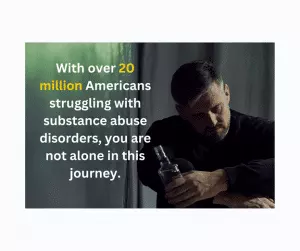
Hitting rock bottom with addiction is the lowest point, often triggered by a life-altering event that inspires seeking professional help. With over 20 million Americans struggling with substance abuse disorders, you are not alone in this journey. It’s when the consequences outweigh any perceived benefits of continuing your lifestyle. Common signs include experiencing serious health crises, legal troubles, job or family loss, and overwhelming feelings of hopelessness. Many wait until this point before getting treatment due to denial about severity, unawareness of options, or affordability concerns.
Crucial Next Steps
When you hit rock bottom, seeking evidence-based addiction treatment is crucial. This can involve medically-supervised detox, therapy, support groups like 12-step programs, or various treatment program levels:
- Inpatient/residential rehab
- Partial hospitalization programs (PHP)
- Intensive outpatient programs (IOP)
- Outpatient counseling and therapy
How to recover from hitting rock bottom?
Seek professional help immediately
Hitting rock bottom with addiction often feels hopeless, but it’s a pivotal moment to seek professional treatment. The sooner you get support, the better your chances for lasting recovery. Consider options like therapy, counseling, detox programs, intensive outpatient, or outpatient residential rehab.
Build a support network
Recovering alone is extremely difficult. Utilize free resources like SAMHSA’s National Helpline (1-800-662-HELP) to find local support groups or community organizations. Having others who understand your journey can provide guidance and accountability.
Address the root causes
Addiction frequently masks underlying mental health issues or trauma. True recovery requires addressing these root causes through counseling, therapy, lifestyle changes, and developing healthy coping mechanisms. An integrated treatment approach is crucial.
The path out of rock bottom starts by taking that first, brave step. With professional help tailored to your needs and a strong support system, you can reclaim your life from addiction’s grip.
How to Find Addiction Treatment When You’ve Hit Rock Bottom
When You’re at Your Lowest
Hitting rock bottom with addiction often feels like an isolating, hopeless point of no return. You may doubt your ability to recover, using substances just to cope with withdrawal. This breaking point is marked by depression and disregarding legal issues, losing relationships and self-control, and giving up on positive change.
Your Path Forward
No matter how entrenched your addiction feels, evidence-based treatments like detox, therapy, support groups, sober living, 12-step therapy, inpatient or outpatient programs can guide you forward. Exploring rehab centers like Bold Steps Behavioral Health Centers that offer comprehensive, personalized care is a vital first step.
Hitting rock bottom | FAQ
What is “rock bottom”?
“Rock bottom” refers to reaching a point where the negative consequences of addiction become so severe that continuing the destructive behavior is no longer an option. This can manifest as a job loss, financial ruin, homelessness, physical health problems, legal issues, or the dissolution of relationships and social ties. According to addiction experts, hitting rock bottom is often a powerful wake-up call that motivates individuals to finally seek help and commit to recovery.
Seeking help before crisis
While rock bottom is a common impetus for change, it’s important to understand that help is available before reaching such a dire point. Addiction is a progressive disease – the sooner you intervene, the better your chances of achieving lasting sobriety. Warning signs like escalating substance use, withdrawal symptoms, or problems at work or home indicate the need for professional treatment.
Treatment options available
No matter where you are in your addiction journey, Bold Steps Behavioral Health offers a full continuum of evidence-based care – from medical detox and residential programs to outpatient services and sober living. Their compassionate team will design an individualized treatment plan combining therapies like CBT, DBT, and holistic approaches to address your unique needs and any co-occurring mental health issues. Recovery is possible with the right support.
Conclusion
Admitting you’ve hit rock bottom is a courageous first step toward recovery. Bold Steps Behavioral Health offers a range of evidence-based treatment options to support you, including therapy, counseling, 12-step programs, sober living arrangements, detox services, partial hospitalization programs (PHP), intensive outpatient programs (IOP), and outpatient treatments. By acknowledging your addiction and seeking help, you’ve already taken the most challenging step. Remember, recovery is possible, and a fulfilling life free from addiction awaits you. Reach out to Bold Steps today to begin your path to lasting sobriety and improved mental health and contact us at (717) 896-1880.