

When you are living with high functioning anxiety disorders, it can often feel like you are alone. However, you are far from the only one dealing with these invisible struggles. While your anxiety may feel isolating, there is a community who understands. Bold Steps Behavioral Health offers professional help through our caring team with treatment plans tailored for your specific needs. Through sharing stories and resources, we can support each other. You do not have to walk this path alone. There are many who are also living with high functioning anxiety disorders, and together we can find hope. Take the first step toward recovery and contact us at 717-896-1880 today.
What Is High-Functioning Anxiety?
A Covert Struggle
High-functioning anxiety is a form of anxiety disorder where individuals appear outwardly successful despite intense inner turmoil. They excel at work, studies, or other pursuits while privately grappling with excessive worry, self-doubt, and fear of failure.
Invisible Barriers
Though highly capable, those with high-functioning anxiety face unseen barriers. Perfectionism, people-pleasing tendencies, and a relentless drive to achieve often mask their struggles. Outwardly poised, inwardly they battle racing thoughts, physical tension, and anticipatory dread.
Escalating Demands
As the demands on their plate escalate, so too does their anxiety. What once felt manageable balloons into overwhelming stress. Juggling responsibilities while upholding an image of calm competence takes a harsh toll mentally and physically over time.
Signs and Symptoms of High-Functioning Anxiety
Persistent Worrying
You may experience incessant worrying or ruminating thoughts that disrupt your daily life. This persistent mental chatter can make it challenging to stay present and focused.
Physical Manifestations
High-functioning anxiety often manifests physically through symptoms like racing heartbeat, sweating, muscle tension, and insomnia. These physical signs can be subtle yet draining.
Perfectionism and Self-Doubt
Striving for perfection and doubting your abilities are common traits. You might procrastinate or avoid tasks due to fear of failure or intense self-criticism.
Difficulty Relaxing
Despite appearing calm on the surface, you may struggle to truly unwind and relax. Your mind may race even during downtime, making it hard to quiet the anxiety.
Social Discomfort
While you can function in social situations, you might experience discomfort or anxiety, especially in unfamiliar settings or large groups. This can lead to avoidance or dissociative conditions.
What Causes High-Functioning Anxiety?
Environmental Triggers
High-functioning anxiety often stems from external stressors in your environment. Demanding careers, academic pressures, or major life transitions can overwhelm your coping abilities. Even positive events like getting married or having a child can trigger anxiety.
Genetic Predisposition
For some, anxiety has a strong biological component rooted in genetics and brain chemistry. If anxiety disorders run in your family, you’re more susceptible to developing anxious tendencies yourself.
Unhealthy Coping Mechanisms
Relying on unhealthy coping mechanisms like alcohol, drugs, or perfectionism to manage anxiety can actually worsen symptoms over time. Addressing the root causes through therapy, meditation, or other healthy outlets is crucial.
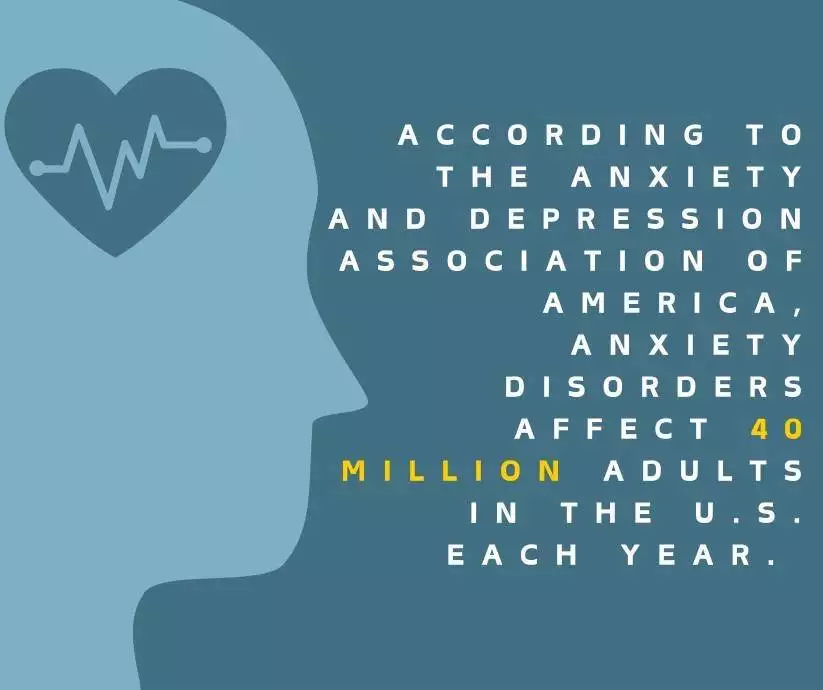
High-functioning anxiety is highly prevalent yet frequently misunderstood. According to the Anxiety and Depression Association of America, anxiety disorders affect 40 million adults in the U.S. each year. By understanding potential triggers, you can implement preventative strategies to safeguard your mental health proactively.
High-Functioning Anxiety vs. Other Forms of Anxiety
The Spectrum Defined
You may have heard the term “high-functioning anxiety” used to describe a type of anxiety disorder where outward symptoms are less apparent. However, the internal experience can be just as distressing as other anxiety conditions. It exists on the same spectrum, with overlapping roots and manifestations.
Similarities & Differences
Like other anxiety disorders such as generalized anxiety disorder (GAD), obsessive-compulsive disorder (OCD), and post-traumatic stress disorder (PTSD), high-functioning anxiety involves persistent worry, rumination, and physical symptoms like muscle tension. However, those with high-functioning anxiety tend to be highly productive, accomplished individuals who often mask their struggles.
Impact on Daily Life
Despite appearing calm and capable on the surface, those with high-functioning anxiety grapple with intrusive thoughts, perfectionism, and an underlying sense of dread that impacts their quality of life. They may also develop unhealthy coping mechanisms like substance abuse and addiction, adding another layer to manage. Ultimately, all forms of clinical anxiety warrant professional treatment and self-care practices.
How to Deal With High-Functioning Anxiety
Identify Triggers
Recognizing situations or thought patterns that trigger anxiety is crucial. Keep a journal to pinpoint specific triggers and prepare coping strategies.
Practice Mindfulness
Mindfulness techniques like meditation, deep breathing exercises, and staying present can help manage anxiety symptoms. Apps like Calm provide guided practices.
Seek Professional Help
Working with a therapist can equip you with tools to manage high-functioning anxiety more effectively. Cognitive-behavioral therapy is particularly helpful.
Maintain a Routine
Sticking to a routine involving regular exercise, balanced meals, and sufficient sleep creates structure that can alleviate anxiety. Avoid disrupting your body’s natural rhythms.
Connect With Others
Social support from loved ones provides comfort. Join a support group to share experiences and coping methods with those facing similar challenges.
High-Functioning Anxiety Treatments
Cognitive Behavioral Therapy
Cognitive behavioral therapy (CBT) can help manage anxiety symptoms. CBT teaches coping strategies to change unhelpful thought patterns and behaviors. Through CBT, you’ll learn to identify anxiety triggers and develop healthier responses.
Medication Management
Anti-anxiety medications like selective serotonin reuptake inhibitors (SSRIs) may be prescribed. These can provide short-term relief from severe anxiety. However, medication alone is rarely a long-term solution – it works best combined with therapy.
Lifestyle Changes
Making positive lifestyle adjustments is key. Regular exercise, meditation, sufficient sleep, and a nutritious diet all promote mental well-being. Building a robust self-care routine creates an environment for managing high-functioning anxiety.
Conclusion
While living with high-functioning anxiety disorders like PTSD, OCD, or a dual diagnosis may feel isolating at times, you are not alone. By educating yourself on your condition, developing healthy coping strategies, connecting with others who understand your struggles, and seeking professional help when needed, you can take bold steps to successfully manage anxiety while still living life to the fullest. Though the path is not always easy, you have the inner strength and resilience to find light even on the darkest of days. Be compassionate with yourself, focus on progress over perfection, and know that there is a hopeful future ahead. Take the first step toward recovery and contact us at 717-896-1880 today. You’ve got this.
Frequently Asked Questions (FAQs) About High Functioning Anxiety Disorders
What is high functioning anxiety?
High functioning anxiety is a type of anxiety disorder where individuals appear to function well on the surface, but internally experience persistent worry, fear, and distress. Despite maintaining careers, relationships, and daily responsibilities, the anxiety can be overwhelming and debilitating.
How common are high functioning anxiety disorders?
According to the Anxiety and Depression Association of America, anxiety disorders affect 40 million adults in the U.S. each year. Many of these cases likely involve some level of high functioning anxiety. An estimated 19% of US adults experience some form of anxiety disorder each year.
What causes high functioning anxiety?
Potential causes include genetics, brain chemistry imbalances, traumatic life events, chronic stress, and co-occurring conditions like OCD, PTSD, emotional dysregulation, or substance abuse issues. The ability to “function” despite anxiety often stems from highly developed coping mechanisms.
How is it treated?
Treatment typically involves psychotherapy (e.g. cognitive behavioral therapy), anti-anxiety medications, lifestyle changes, and alternative therapies. Building a strong support system and practicing self-care techniques are also crucial for managing high functioning anxiety long-term.